About Alcippe poioicephala (Jerdon, 1844)
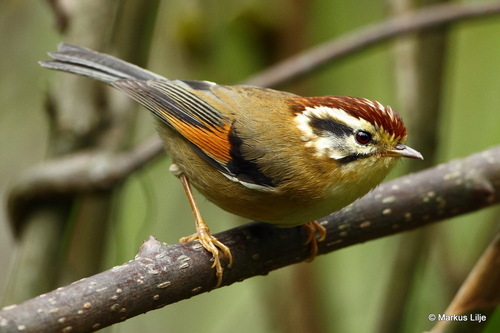
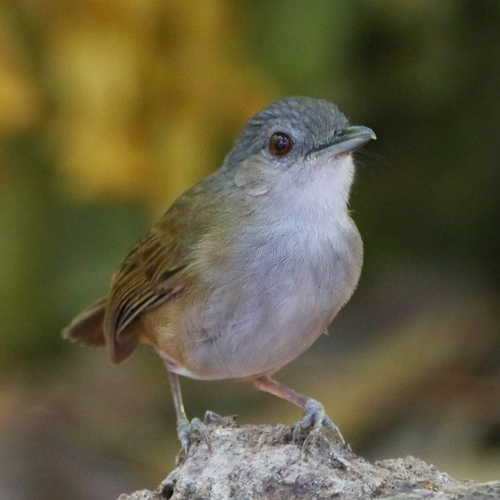
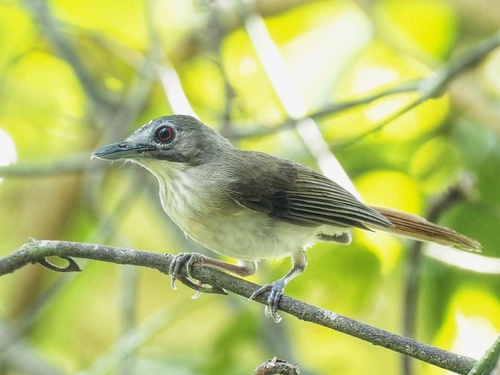
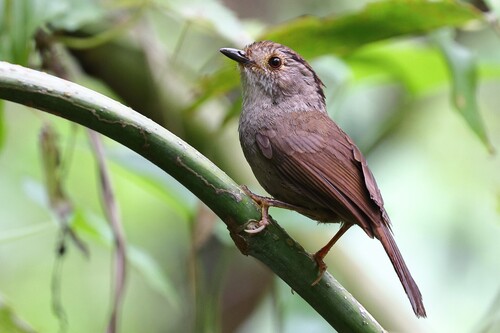
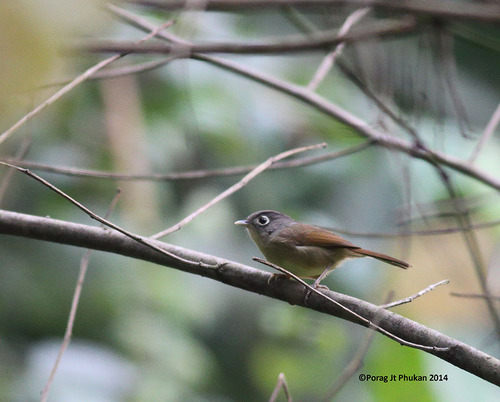
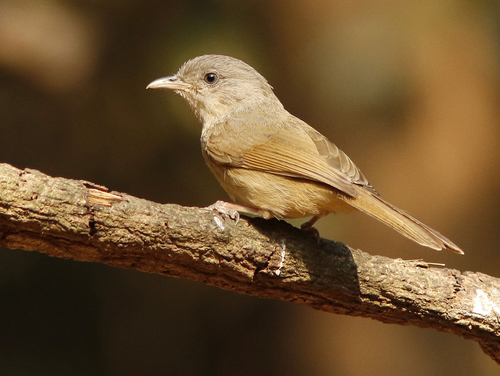
The brown-cheeked fulvetta (Alcippe poioicephala), scientifically named by Jerdon in 1844, is a small, dull-coloured bird that measures 15 cm from the tip of its beak to the tip of its tail. Its short, weak grey bill has a curved upper mandible; for the genus Alcippe, the bill is widest at the long nostrils, which are covered by an overhanging membrane. All tail feathers of this species are nearly the same length. Its wings are brownish, its underbody is buff, and its crown is grey. In the nominate subspecies, the grey crown is not sharply separated from the rest of the head, but some subspecies have a dark stripe that starts behind the eyes and meets at the nape. Males and females look identical. Several brown-cheeked fulvettas may forage together in loose flocks, and they sometimes join mixed-species foraging flocks. When foraging, they often behave similarly to tits, dangling below branches while searching for insect prey. Their calls, especially given at dawn, are loud and can be mistaken for the calls of a magpie robin or puff-throated babbler. The brown-cheeked fulvetta is a resident breeding bird that lives in moist deciduous and evergreen forests, particularly in hilly areas. It is widely distributed across peninsular India, with additional populations located east of the Brahmaputra River that extend into Southeast Asia, including Bangladesh. Brown-cheeked fulvettas are suspected to raise two broods per year. Nests have been observed between January and June, with a nesting peak in January and February. A study conducted in southern India recorded 38 nests within a 50,000 square metre study area. The brown-cheeked fulvetta builds cup-shaped nests from green moss, rootlets, lichen, leaves, and grass, and lines the nest interior with rootlets. Nests are placed in a tree fork or suspended from small twigs, at an average height of 68.21 cm above the ground. The average nest width is 91.8 mm, and the average nest depth is 48.7 mm. Clutch size ranges from two to three eggs. The incubation period is 10 ± 2 days, and the nestling period is 12 ± 2 days. Hatching success for this species is 55%, while nestling success (fledging success) is 32%. The most common shrubs used for nesting are Lasianthus ciliatus (36% of nests), followed by Saprosma fragrans (27%) and Thottea siliquosa (23%). Due to their loud calls, brown-cheeked fulvettas are thought to play a role in organizing mixed-species foraging flocks, and they have been recorded as dominant flock members in Malayan forests. This species visits flowers to feed on nectar, and has been recorded visiting the flowers of Erythrina and Cullenia exarillata. The ectoparasitic fly Ornithoctona australasiae (first described by Fabricius in 1805) has been collected from brown-cheeked fulvettas in Malaya. A species of parasitic tapeworm, Dicranotaenia alcippina, has also been described from this species.