About Albizia lebbeck (L.) Benth.
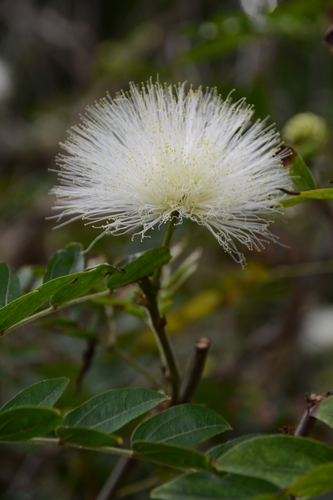
Albizia lebbeck (L.) Benth. is a tree that reaches 18–30 m (59–98 ft) in height, with a trunk 0.5 to 1 m (1 ft 8 in to 3 ft 3 in) in diameter. Its leaves are bipinnate, 7.5–15 cm (3–6 in) long, and carry one to four pairs of pinnae; each pinna has 6–18 leaflets. The tree produces white, highly fragrant flowers that have numerous stamens 2.5–3.8 cm (1.0–1.5 in) long. Its fruit is a pod 15–30 cm (6–12 in) long and 2.5–5.0 cm (1–2 in) broad, containing six to twelve seeds. Albizia lebbeck grows in a very wide range of climates, ranging from semi-desert areas to humid regions. It can survive long cold winters and very dry conditions, and is a drought-tolerant tree that occurs throughout the tropics. It is native to Asia, and its ability to adapt to many different climates has made it a very invasive species that has spread to become invasive across different tropical regions worldwide. This species has multiple uses, including environmental management, as forage, in medicine, and for timber production. It is cultivated as a shade tree in North and South America, and it is used for timber production in India and Pakistan. The wood of Albizia lebbeck has a density of 0.55–0.66 g/cm³ or higher. Even in regions where it is not native, some native herbivores will use lebbeck as a food source; for example, the greater rhea (Rhea americana) has been recorded feeding on it in the cerrado of Brazil.