About Aglaiocercus coelestis (Gould, 1861)
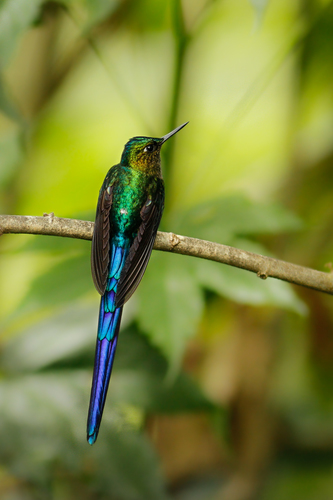
This species is Aglaiocercus coelestis, also called the violet-tailed sylph or long-tailed sylph. Males of the species measure 18 to 21 cm (7.1 to 8.3 in) in total length, which includes their 10 to 15 cm (3.9 to 5.9 in) outer tail feathers. Females measure 9.5 to 9.7 cm (3.7 to 3.8 in) long. The full species weighs between 4.6 to 5.2 g (0.16 to 0.18 oz). Both recognized subspecies have a short, black bill.
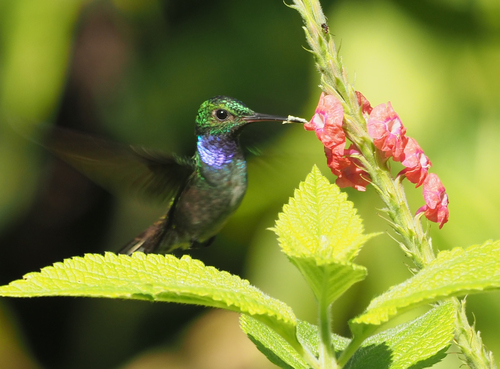
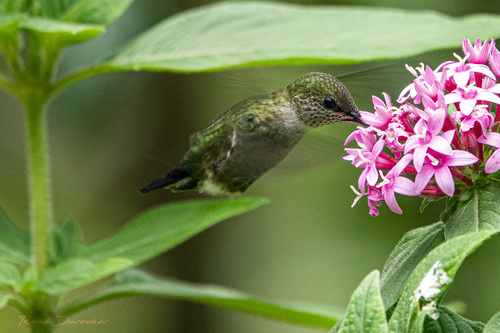
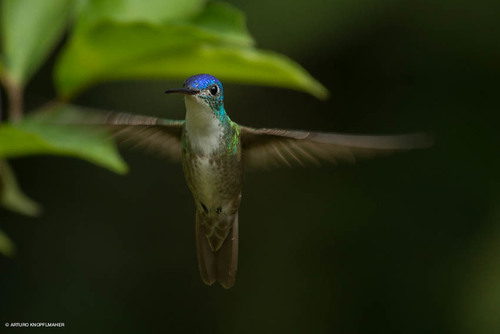
For the nominate subspecies A. c. coelestis: Males have a shining green crown and back, with the color shifting to violet-blue on the rump. They have a buffy spot behind the eye, a violet-blue gorget, and green underparts. Their inner tail feathers are short, while their outer tail feathers are very long; all tail feathers are iridescent metallic violet with blue tips. Nominate females have a glittering blue crown and a whitish spot behind the eye, with upperparts otherwise matching those of the nominate male. Their throat is white with green spots, and a white band separates the throat from their cinnamon-rufous underparts. Their tail is short and unforked, colored bluish green with white tips on the outer feathers. Juveniles of the nominate subspecies have dull green upperparts, buffy green underparts, and buffy fringes on the head feathers.
Subspecies A. c. aethereus is mostly identical to the nominate subspecies in all features except two: males of this subspecies have a green gorget, and females have a lightly spotted throat.
The nominate subspecies is distributed from the Pacific slope of Colombia's Western Andes into northern and central Ecuador. A. c. aethereus occurs on the Pacific slope of the Andes in southwestern Ecuador, between the provinces of El Oro and Loja. The species inhabits cloudforest and semi-open landscapes, including forest-grassland transition zones and grasslands scattered with trees and shrubs. It is most abundant at around 1,000 m (3,300 ft) elevation, and can be found as low as 300 m (980 ft) and as high as 2,100 m (6,900 ft).