About Aedes vittiger (Skuse, 1889)
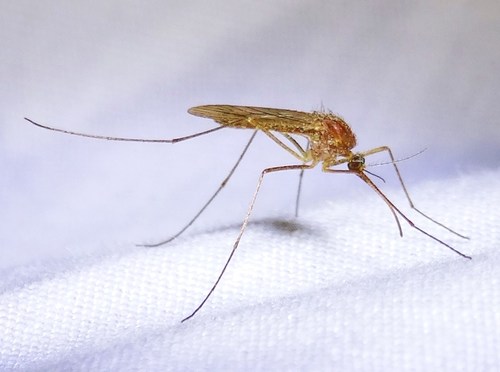
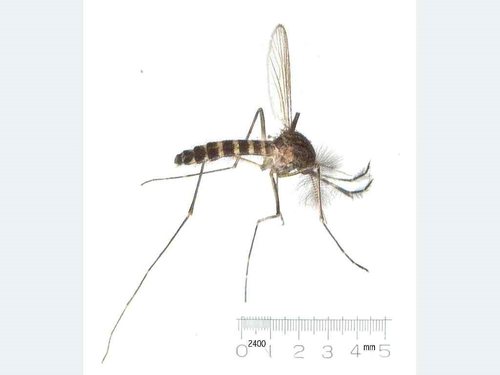
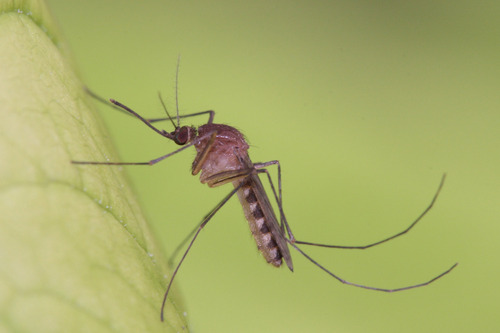
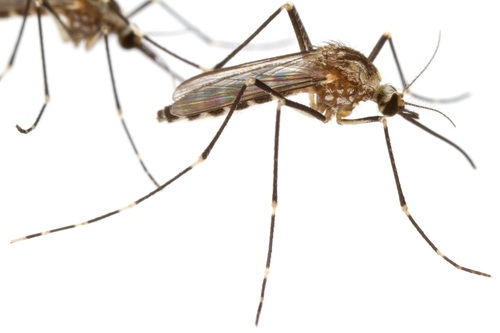
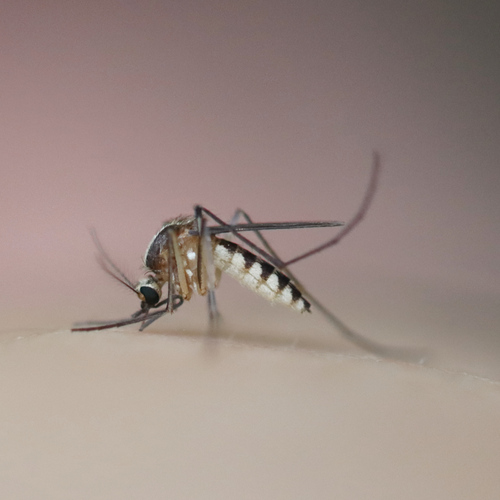
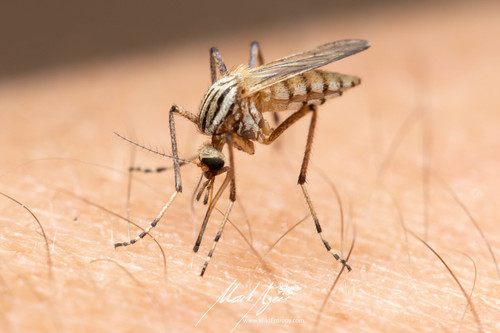
Like other mosquitoes in the Aedes genus, Aedes vittiger has typical mosquito morphology: a slender body, long legs, and a proboscis specialized for piercing skin to feed. Females are primarily diurnal day-biters, feeding on human and possibly animal blood to support egg production, while males feed on nectar and do not bite. This species has a light brown to pale yellowish body, with a narrow white longitudinal stripe on the thorax, and distinctive white banding on its legs and abdomen. These striped patterns help with visual identification, and are consistent with other floodwater Aedes species. Though Aedes vittiger is not widely studied, it is considered a pest because of its aggressive daytime biting behavior, particularly in areas where it breeds in large numbers after rainfall or in temporary pools. Aedes vittiger is found mostly in Australia, with confirmed records from New South Wales and Queensland. It thrives in rural environments, especially in areas prone to flooding or irrigation, where it breeds in temporary or semi-permanent freshwater pools. Its distribution is tightly linked to these ecological conditions, so it is commonly found in riverine regions after seasonal floods. The life cycle of Aedes vittiger follows the standard mosquito pattern, consisting of four stages: egg, larva, pupa, and adult. Females lay their eggs in temporary water bodies formed by floods or irrigation, where larvae develop in an aquatic environment. Both the larval and pupal stages are aquatic, and fully developed adults emerge to take flight. The duration of this life cycle likely changes based on environmental conditions like temperature and water availability, but extensive specific data for Aedes vittiger does not exist. Aedes vittiger is an ecological opportunist that takes advantage of temporary water bodies for breeding, which explains why it is so common after floods and in irrigated areas. It is a diurnal biter, so it is a major nuisance to humans during the day, unlike many nocturnal mosquito species. It acts as prey for various predators including birds and bats as part of its ecological role, though its specific ecosystem interactions are not well studied.