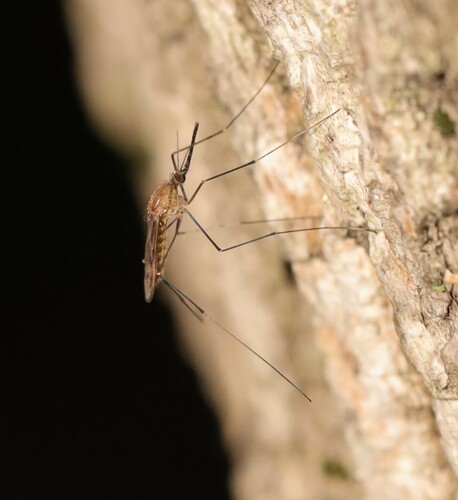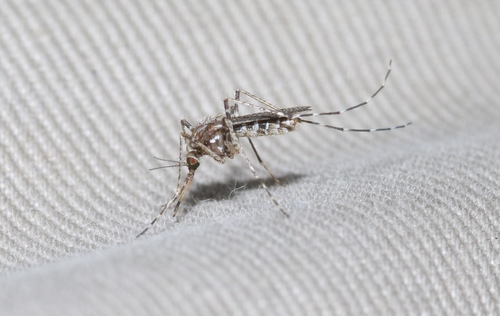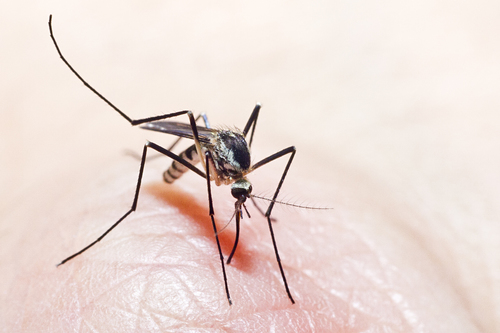
About Aedes triseriatus (Say, 1823)
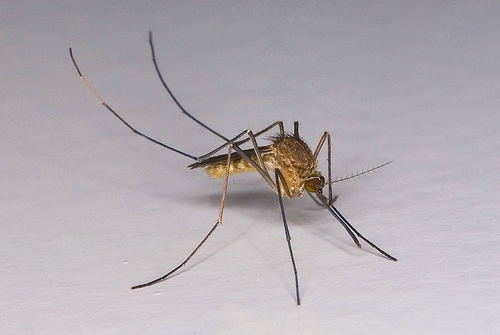
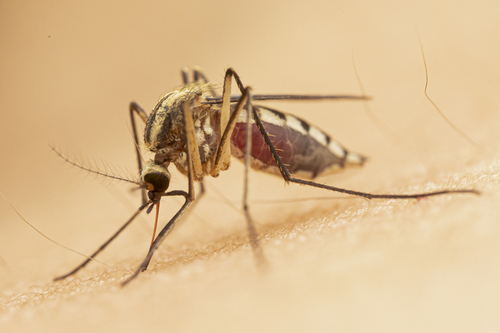
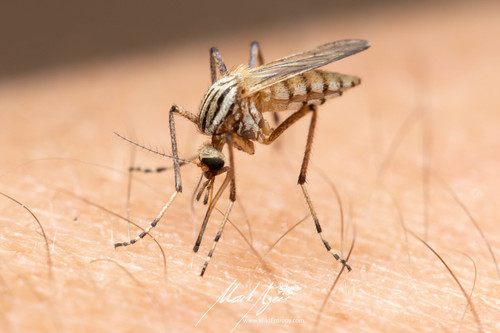
Aedes triseriatus (Say, 1823), the eastern treehole mosquito, belongs to the true fly order Diptera, family Culicidae. It gets its common name from its preference for breeding in the stagnant water held in natural containers like tree holes. This species is native to the eastern United States and southern Canada, where it favors hardwood habitats. Documented observations place it as far south as the Florida Keys, as far west as Idaho and Utah, and as far north as Quebec and Ontario. It has not yet been found established in Europe, but it has the potential to spread through international trade. In 2004, it was detected in a shipment of tires traveling from Louisiana to France; it was identified and targeted with insecticides that stopped its spread before it could establish. Aedes triseriatus is a known natural vector of La Crosse encephalitis and canine heartworm disease. Laboratory studies have confirmed it can vector several additional viruses, including yellow fever, eastern encephalitis, Venezuelan encephalitis, and western encephalitis. Because of its potential for international spread and its tendency to transmit disease, ongoing monitoring of this species' distribution is essential.
Aedes triseriatus has a holometabolous life cycle. Mating typically takes place in June and July. Females must take a blood meal before copulation to mature a batch of eggs. Females oviposit eggs into stagnant water containers, such as natural tree holes, and often into unnatural containers like tires. Eggs fully embryonate within a few days after being laid. After eggs are completely covered by water, low oxygen levels stimulate them to hatch, which most often occurs after rainfall. This species has four larval instars; at the end of the fourth instar, larvae pupate. In the United States, adult mosquitoes emerge between July and September. The life cycle of A. triseriatus is closely tied to temperature and humidity. This mosquito is highly resistant to lower temperatures, which allows it to successfully diapause through the winter in the southern United States. In northern areas of its range, only eggs survive the winter. In more southern areas, both overwintering eggs and diapausing larvae can be present. Not all eggs hatch at the same time, due to the unpredictable nature of summer water levels. Intermittent droughts and rainfall create environmental pressure on mosquito eggs. In response to this selective pressure from irregular rainfall, Aedes triseriatus staggers its egg hatching.