About Aedes sierrensis (Ludlow, 1905)
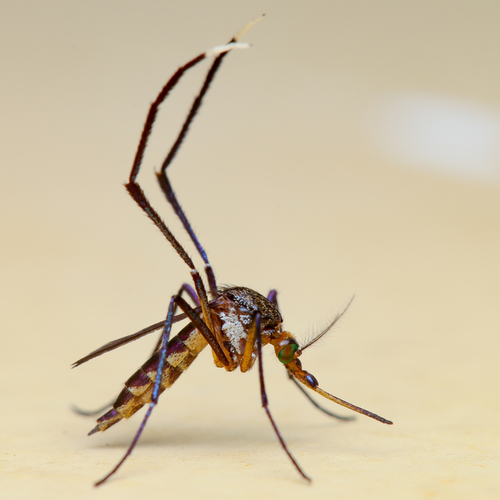
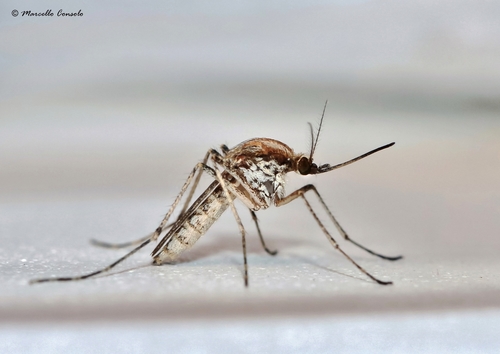
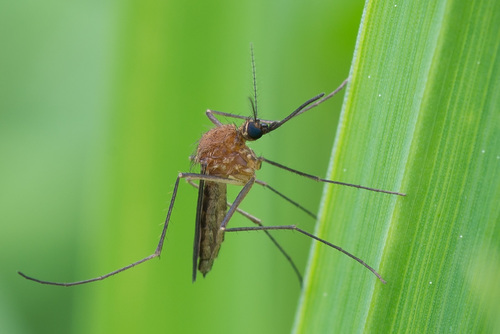
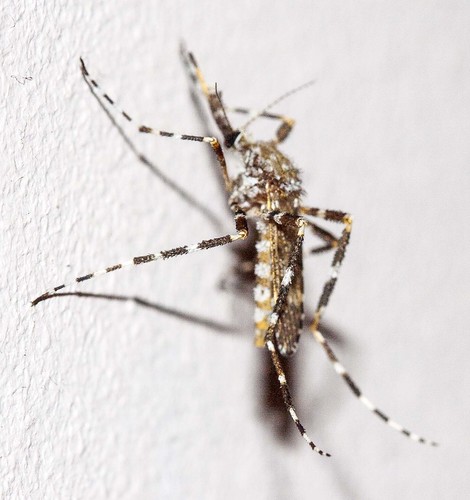
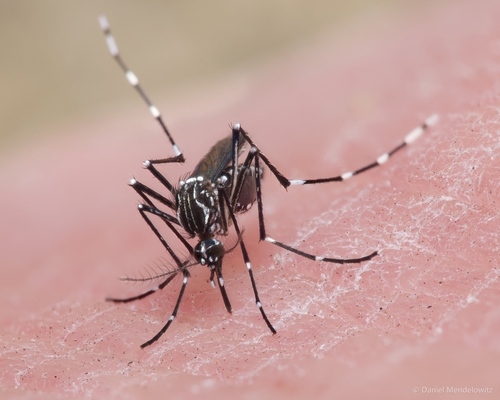
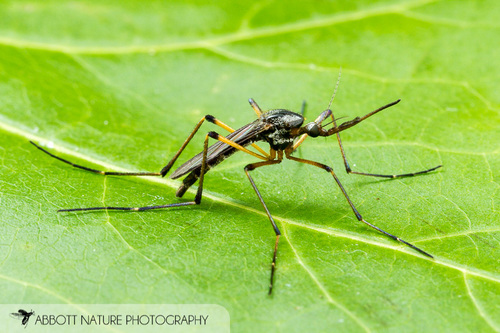
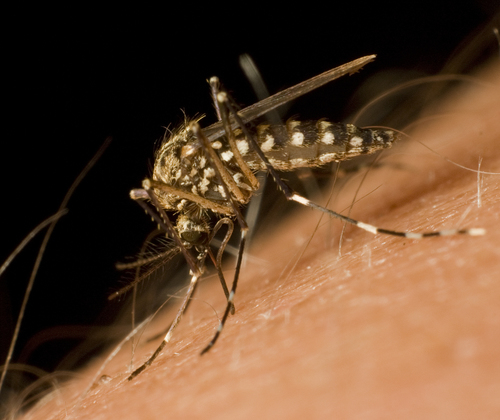
Aedes sierrensis, commonly called the Western tree hole mosquito, is a species of mosquito in the genus Aedes that is native to western North America. It is primarily found in oak and mixed deciduous forest regions, with a range extending from southern California north to British Columbia, and east as far as Utah. The species gets its common name from its preferred breeding sites: water-filled cavities in trees, most commonly in oak, laurel, madrone, and eucalyptus trees. It may occasionally breed in artificial containers that hold water with high organic content, including leaf-filled roof gutters, tires, cans, and buckets. Aedes sierrensis is typically univoltine, meaning it produces just one generation each year. Adults usually emerge in spring from overwintering larvae, and peak adult abundance occurs in April and May. In years with favorable environmental conditions, such as high rainfall and warmer temperatures, additional broods may develop. This mosquito is known to be an aggressive biter. It is primarily active outdoors during mid-morning and late afternoon, and generally avoids direct sunlight. It feeds on humans and other large mammals, and acts as a significant nuisance in residential and recreational areas with large numbers of trees, especially between March and August.