About Aedes infirmatus Dyar & Knab, 1906
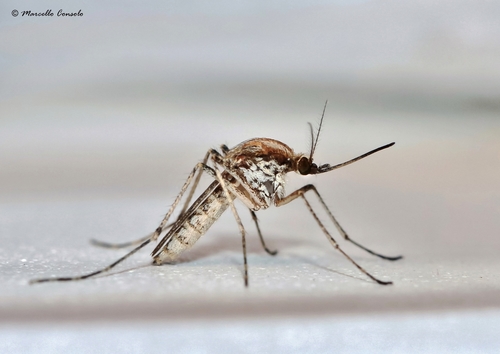
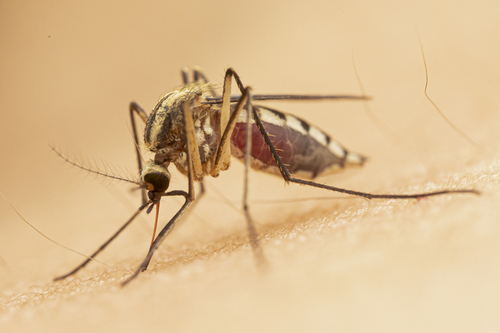
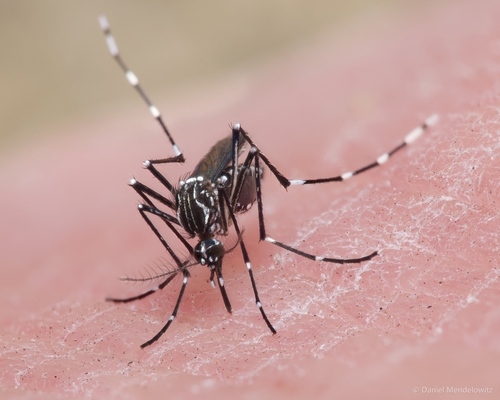
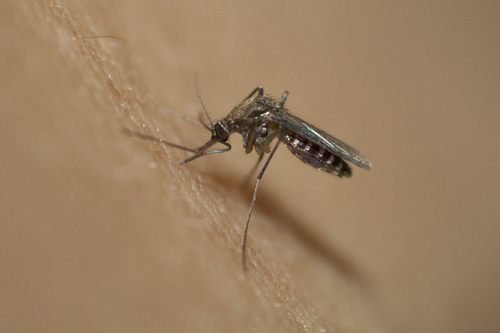
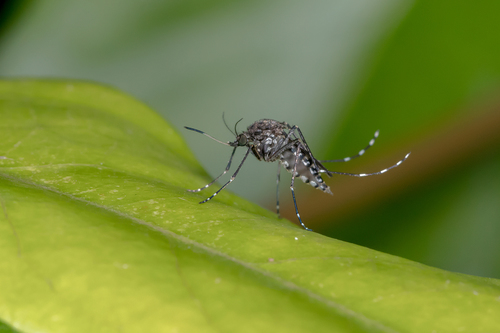
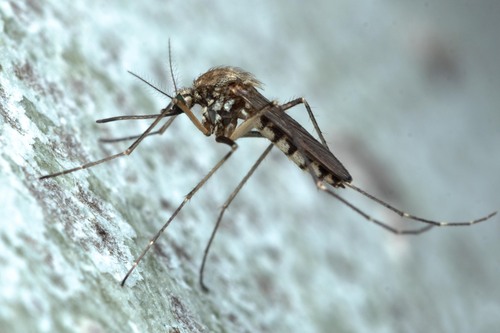
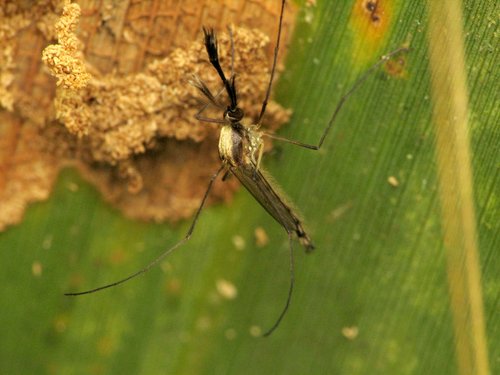
Aedes infirmatus Dyar & Knab, 1906 is a species of mosquito. Adult Aedes infirmatus have a dark-scaled proboscis, dark legs, and a broad silvery white patch on the thorax; this marking helps distinguish the species from other similar-looking related species. Female Aedes infirmatus typically lay eggs in low-lying, grassy areas that are prone to flooding. Flooding, which most often occurs in spring, stimulates the eggs to hatch. Adult mosquitoes are most densely concentrated in woodland environments. In these areas, they opportunistically feed on passing hosts, including humans, but only rarely enter human-built buildings. Studies conducted in northeastern Florida identified two population patterns for this species. First, there is a negative correlation between A. infirmatus population density and agricultural land use. Second, the species’ average peak abundance typically occurs between June and August. This mosquito species acts as a vector for a range of pathogens, including California encephalitis virus, Keystone virus, trivittatus virus, West Nile virus, and Eastern equine encephalitis.