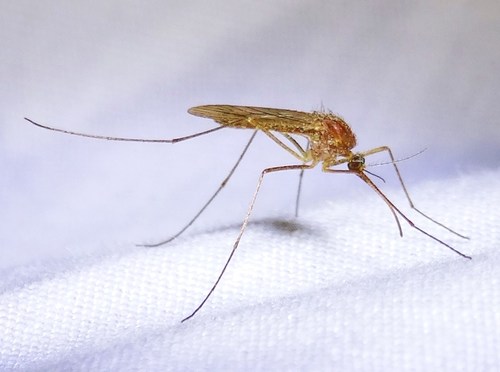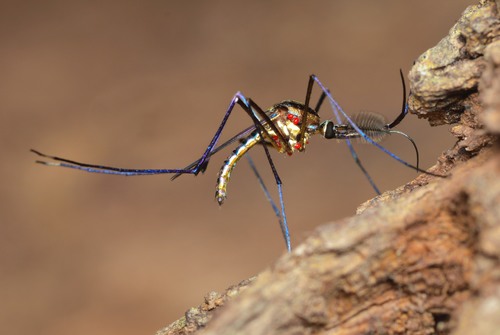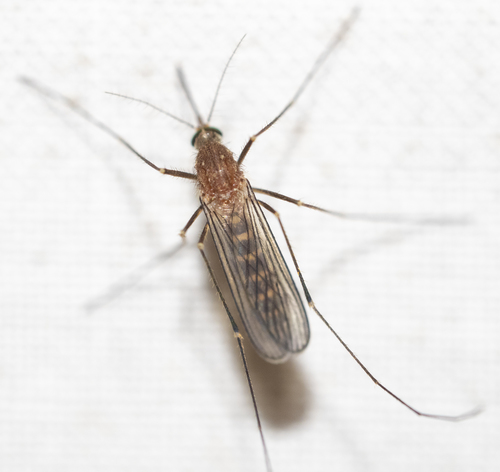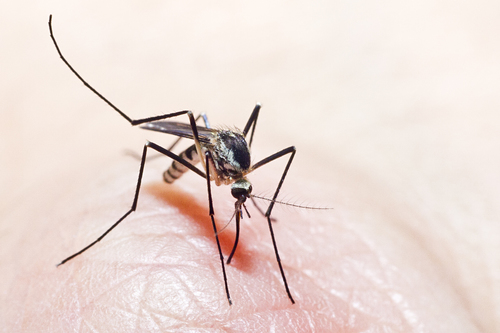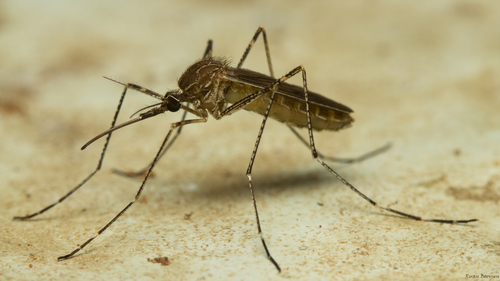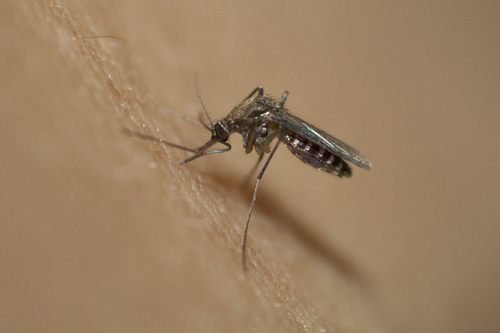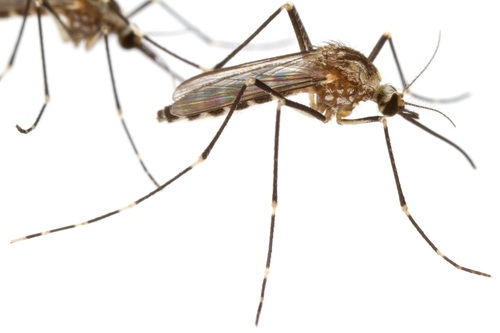
About Aedes epactius Dyar & Knab, 1908
Aedes epactius is a species of mosquito in the family Culicidae, native to North America. This species is known for its ability to adapt to a wide range of breeding sites, including natural rock pools and artificial containers such as tires and flower pots. It bites actively, and researchers have studied its potential role in transmitting diseases like the St. Louis encephalitis virus. Even so, its impact as a disease vector remains limited when compared to other mosquito species. Aedes epactius is distributed across North America, ranging from the southwestern United States to Central America. In the U.S., it has been recorded in Utah, Colorado, Kansas, and Missouri, with recent observations expanding its confirmed range to Otero and Baca counties in Colorado. In Mexico, the species occurs across an elevation gradient from sea level in Veracruz to over 2,100 meters in Puebla, with some individual specimens collected as high as 2,400 meters. It thrives best in mid-elevation environments between 1,250 and 1,750 meters, and is much less common at elevations above 1,800 meters. Its breeding sites include natural rock pools and man-made containers such as tires, barrels, cement tanks, and flower pots, which demonstrates its ability to adapt to human-altered habitats. There have also been reported sightings of Aedes epactius in Europe, which indicates potential ongoing range expansion. Female Aedes epactius need blood meals to develop their eggs, while both male and female mosquitoes feed on nectar and plant juices to get energy. They are aggressive biters, especially close to their breeding sites, but their ability to disperse is limited, which reduces the overall scope of their impact. Eggs are laid on the surface of water in mid-season, and can survive both desiccation and freezing. This allows the species to persist through dry periods or cold winters, and this resilience is critical to their ability to survive in temporary habitats such as rock pools. Aedes epactius fills an ecological niche in temporary aquatic environments, and it often occurs alongside species such as Aedes aegypti in artificial containers, particularly in Mexico. Ecological research has focused on its preference for mid-elevation habitats and its ability to adapt to varying climates. Studies have also investigated its susceptibility to pathogens, including nuclear polyhedrosis viruses, to provide greater understanding of its ecological interactions. As a blood-feeding mosquito, Aedes epactius has been studied to determine its potential to transmit pathogens. Research shows it may play a minor role in the transmission of St. Louis encephalitis virus, with evidence of transovarial transmission that is affected by rearing temperature. However, its limited mobility means it is a far less significant disease vector than species such as Aedes aegypti. Its tendency to co-occur with A. aegypti has led to questions about shared disease risks, though Aedes epactius is primarily considered a nuisance biter.