About Aedes cinereus Wiedemann, 1818
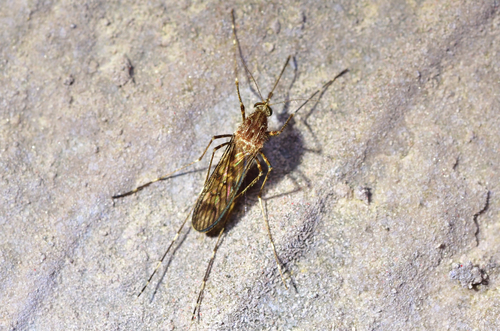
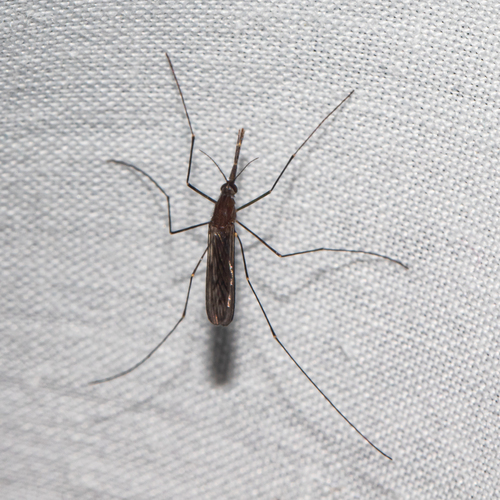
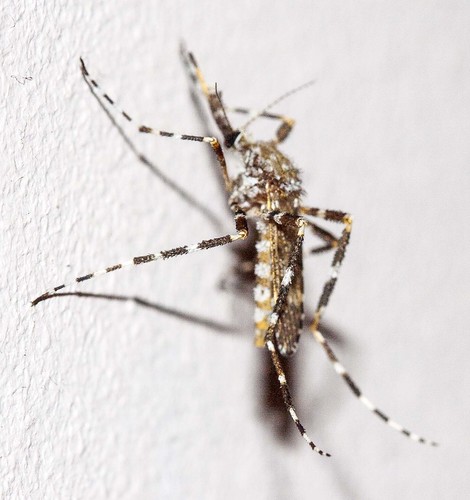
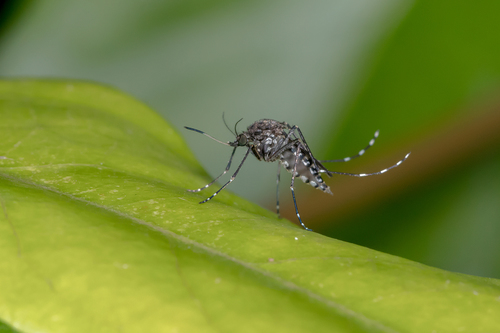
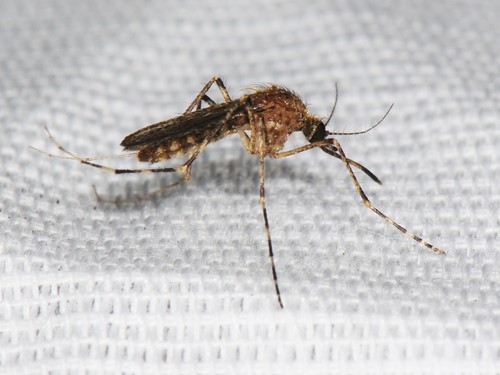
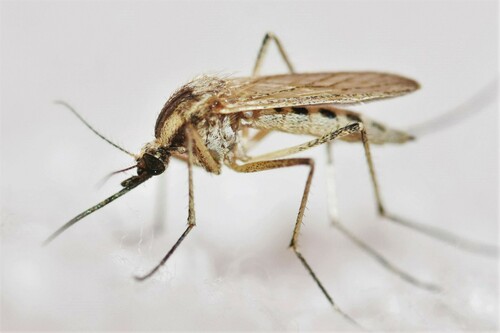
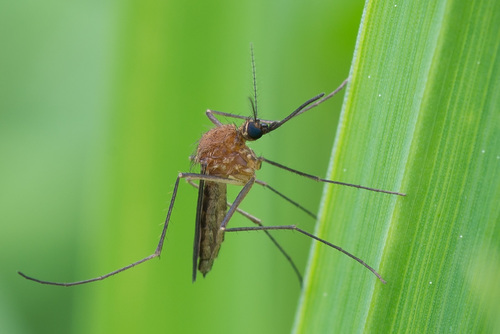
Aedes cinereus, commonly called the minute floodwater mosquito, is a species of mosquito in the genus Aedes, with a wide distribution across North America and Europe. It is recognized for its aggressive biting behavior and its role as a vector for certain diseases, including Ockelbo virus. This mosquito has a broad geographic range that covers both North America and Europe. In North America, it is widespread across Canada, including the provinces of Ontario, Quebec, and British Columbia, and extends into Alaska and the northern United States, including Minnesota, Wisconsin, and Michigan. It is much less common in arid southern regions of the continent. In Europe, it has been recorded in Belgium, Estonia, Germany, Ireland, the Netherlands, Norway, Sweden, Finland, Russia, and the United Kingdom, with a prominent presence in northern Europe. Its distribution is closely tied to wetland environments, where it thrives in semi-permanent water bodies. Aedes cinereus prefers a range of wetland habitats: semi-permanent bogs and swamps, temporary floodwater areas with dense vegetation such as cattails and sedges, and woodland pools and marshes. It is also able to breed in artificial containers, showing it can adapt to survive in urban settings. This species acts as a vector for multiple arboviruses. It is a primary vector of Ockelbo Virus in Northern Europe, specifically in Sweden, Finland, and Russia. Ockelbo virus causes Ockelbo disease, which presents with symptoms of fever, rash, and arthritis. It may also transmit Jamestown Canyon virus and potentially West Nile virus, though its role in spreading these viruses is secondary to that of other mosquito vector species. Its capacity to feed on both avian and mammalian hosts allows it to act as a bridge vector for disease transmission.