About Aedes canadensis (Theobald, 1901)
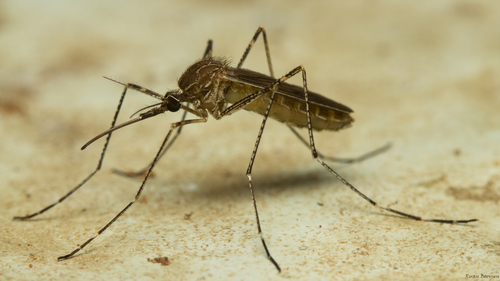
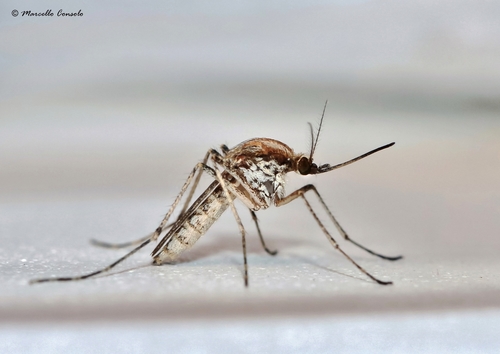
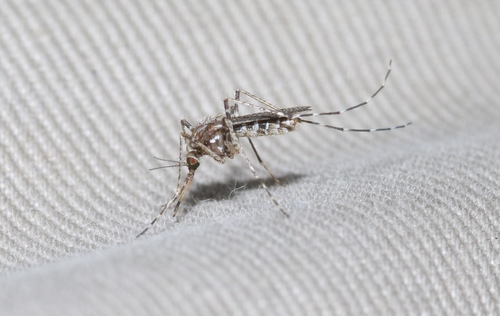
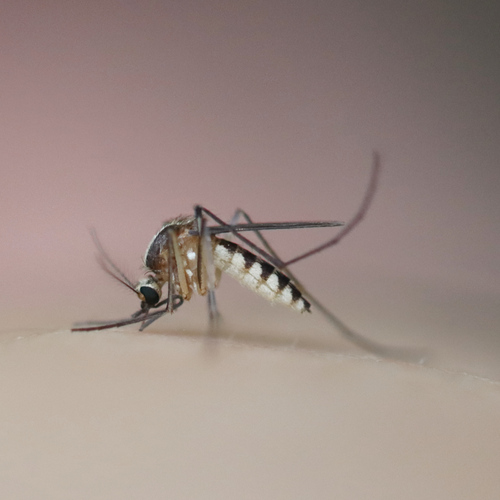
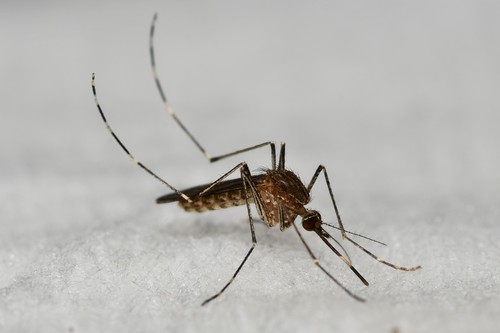
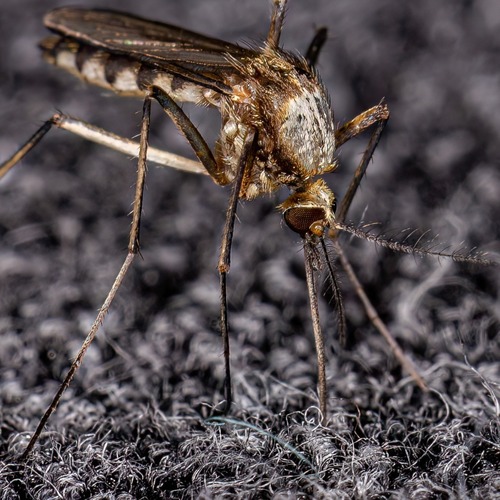
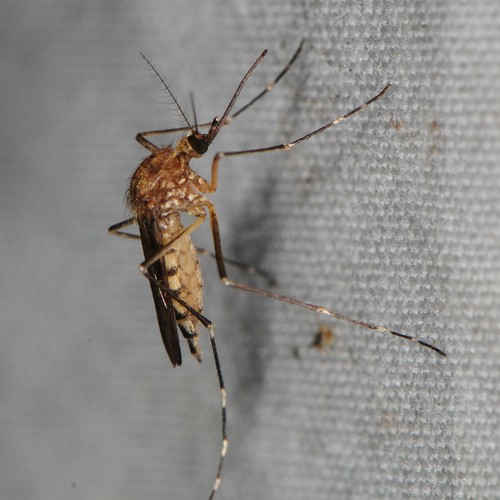
Identification: Aedes canadensis frequently occurs alongside other species from the same genus. To confidently identify either adult or larval specimens of this species, an identification key and a microscope are required. In general, adult Aedes canadensis have dark bodies, with females often having reddish bodies. All individuals have contrasting white bands on their tarsi, with one band present at each end of each tarsal segment.
Distribution: Aedes canadensis is found in North America. Its range extends from Yukon Territory and Washington state eastward to Newfoundland, southward to Florida and Texas, and continues further south into Mexico.
Medical importance: The viruses that cause eastern equine encephalitis, California encephalitis, and West Nile fever have been detected in Aedes canadensis samples. This species has been confirmed to be a vector of dog heartworm, Dirofilaria immitis. It has also been identified as a secondary vector for the La Crosse virus in Ohio.