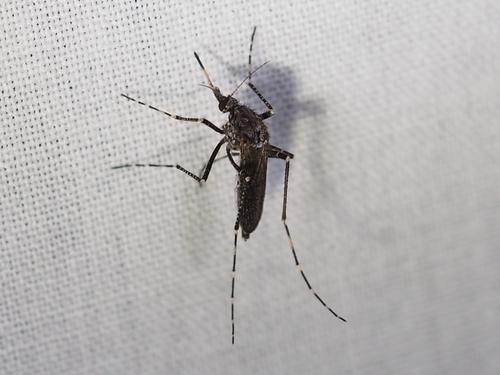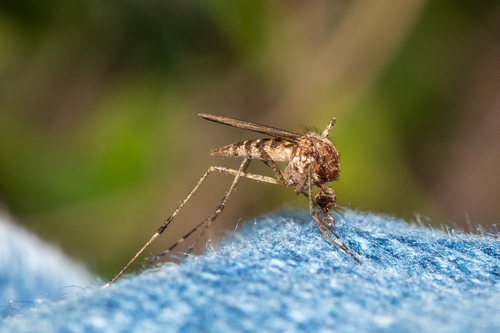
About Aedes camptorhynchus (Thomson, 1869)
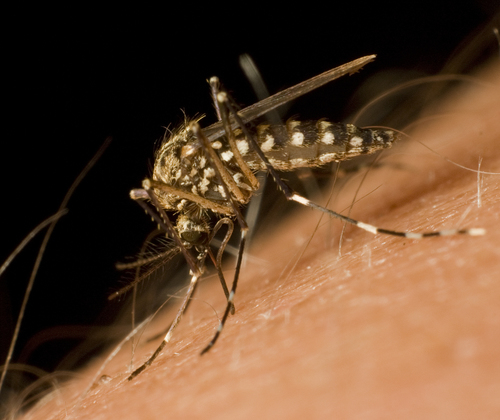
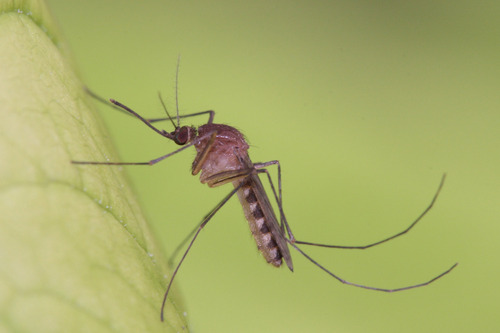
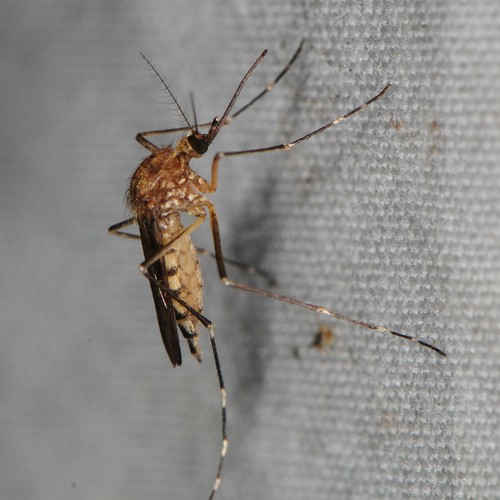
Aedes camptorhynchus (Thomson, 1869), commonly known as the southern saltmarsh mosquito, is a mosquito species native to southern Australia. This species is responsible for transmitting Ross River virus, the pathogen that causes Ross River fever. In 1998, it was accidentally transported from Australia to Hawke's Bay, New Zealand, where it became established. From there it dispersed to 10 additional localities, mostly on the North Island, and was declared eradicated from New Zealand in 2010. In its native range, Aedes camptorhynchus is found in New South Wales, South Australia (including Flinders Island), Tasmania (including King Island), Victoria, and Western Australia. It primarily lives in coastal regions, but can also occur in inland areas that contain brackish water. Aedes camptorhynchus breeds mainly in brackish swamps, though it is also able to breed in freshwater conditions. It breeds continuously year-round, but reaches its highest abundance from late spring to early summer. In medical and ecological terms, Aedes camptorhynchus is a major vector of Ross River virus in the coastal areas of southern Australia. Laboratory studies have confirmed it is an effective vector of Barmah Forest virus and Murray Valley encephalitis virus. Laboratory experiments have also shown it can transmit myxomatosis between infected and healthy European rabbits (Oryctolagus cuniculus), though it may not act as an effective vector for this disease in natural settings.