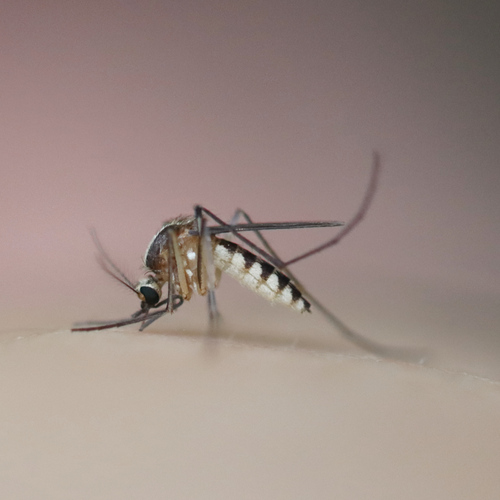
About Aedes atlanticus Dyar & Knab, 1906
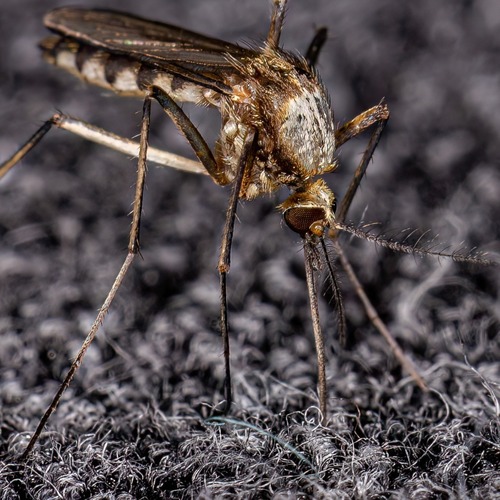
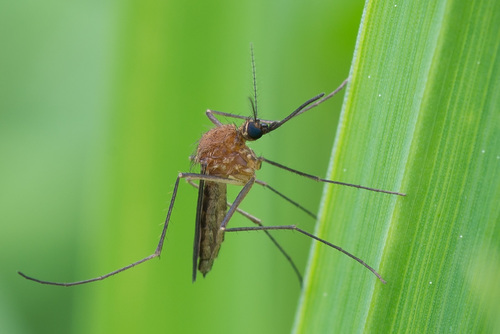
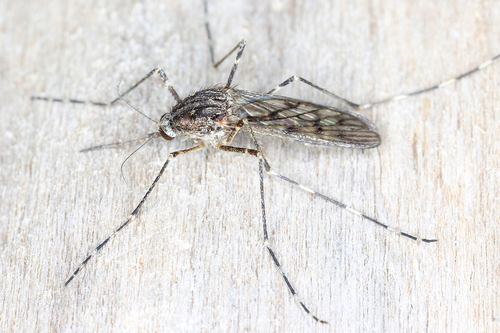
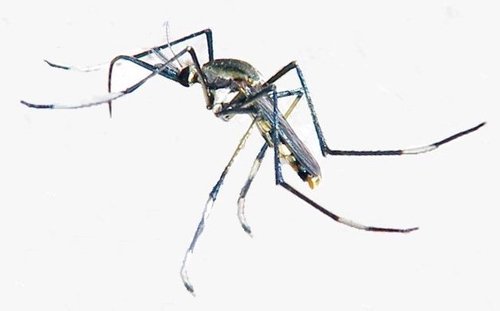
Aedes atlanticus is a medium-sized mosquito species that has prominent white stripes on its abdomen. Females of this species are troublesome pests, similar to their appropriately named close relative Aedes tormentor. This mosquito acts as a vector for yellow fever, and can also carry Keystone virus. Keystone virus is common in small animals in Florida, and may be common among humans, where it causes only minor symptoms. As of June 2018, only two human cases of Keystone virus infection have been verified. Aedes atlanticus mosquitoes are widespread and common across the southeastern United States, ranging from Texas and southern Missouri all the way to Maryland. The species' reproductive cycle allows some viruses to pass transstadially through different life stages of the insect: an infected female mosquito can lay virus-carrying eggs that hatch into infected larvae, which eventually mature into infected adults. These adults can transmit the virus to mammals when they bite and inject their anticoagulant saliva.