About Acrocephalus paludicola (Vieillot, 1817)
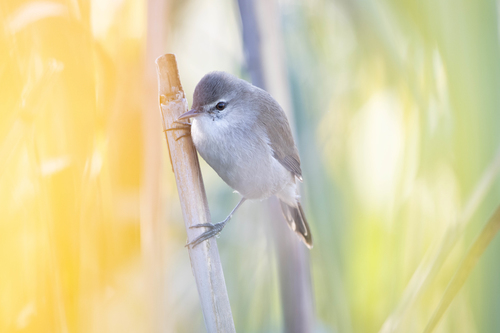
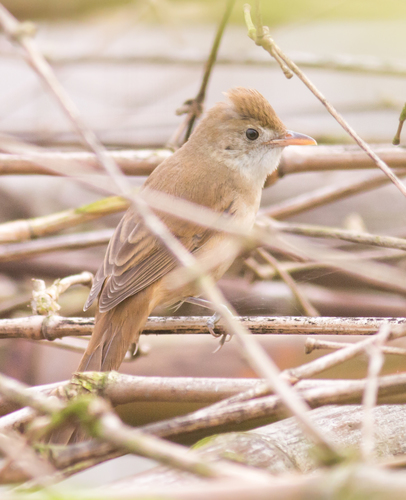
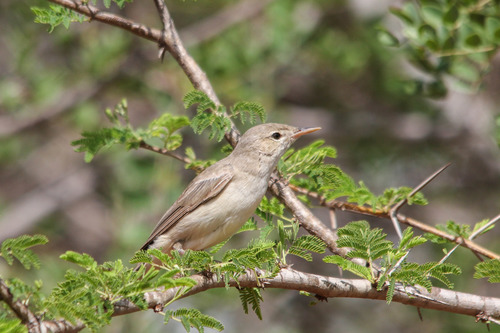
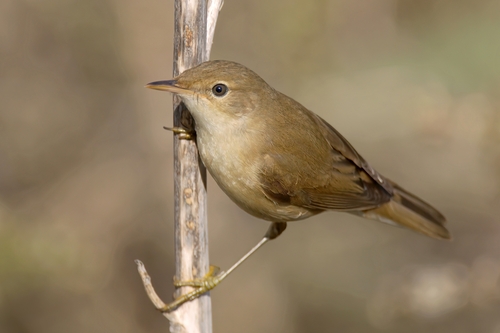
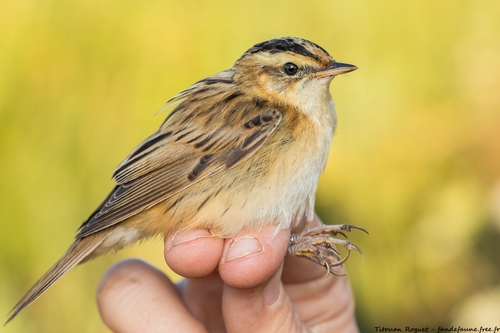
The aquatic warbler, with the scientific name Acrocephalus paludicola, is an Old World warbler that belongs to the genus Acrocephalus. It breeds in temperate eastern Europe and western Asia, and has an estimated global population of 11,000 to 15,000 breeding pairs. It is a migratory species that winters in west Africa. After many years of uncertainty, the main wintering grounds for much of the European population were finally discovered in Djoudj National Bird Sanctuary, Senegal, where between 5,000 and 10,000 aquatic warblers gather at this single site. The species follows a south-westerly migration route, so it is regularly seen during its passage as far west as Great Britain and Ireland. This small passerine bird lives in wet sedge beds with vegetation shorter than 30 cm (12 in). Habitat drainage has caused this species' population to decline, and 70% of the world's population now breeds in the Polesie region spanning eastern Poland and southern Belarus, which is the species' current stronghold. The aquatic warbler lays 3 to 5 eggs in a nest built in low vegetation. The species is highly promiscuous, with most males and females producing offspring with multiple partners. It is a medium-sized warbler. Adult aquatic warblers have a heavily streaked brown back, pale underparts with variable streaking, a flattened forehead, and a strong, pointed bill. They also have a prominent whitish supercilium and a distinct crown stripe. The aquatic warbler can be confused with the juvenile sedge warbler, which may also display a crown stripe, but the aquatic warbler has stronger markings, and appears paler with a spiky-looking tail when in flight. Like most warblers, the sexes of the aquatic warbler have identical plumage. Unlike adults, young aquatic warblers have unstreaked breasts. As with most warblers, the aquatic warbler is primarily insectivorous, but it will also eat other small food items, including berries. Its song is a fast, chattering ja-ja-ja, interrupted by whistles that are typical of members of the genus Acrocephalus. The genus name Acrocephalus comes from the Ancient Greek terms akros, meaning "highest", and kephale, meaning "head". It has been suggested that Naumann and Naumann believed akros meant "sharp-pointed" when they coined the name. The specific epithet paludicola is from Latin, derived from paludis meaning "swamp" and colere meaning "to inhabit".