About Acrocephalus melanopogon (Temminck, 1823)
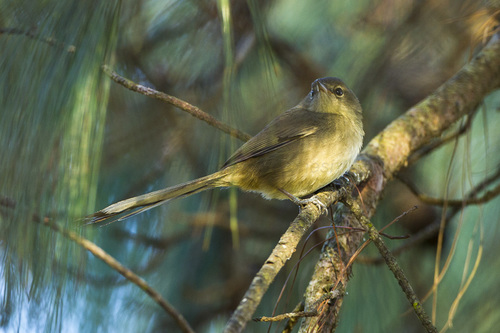
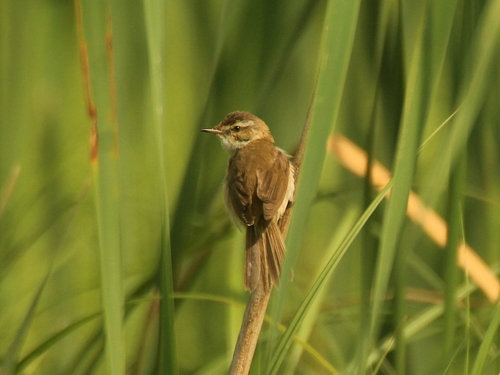
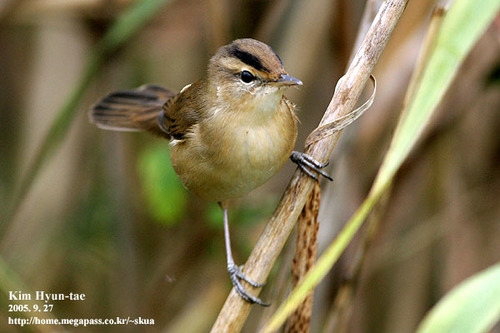
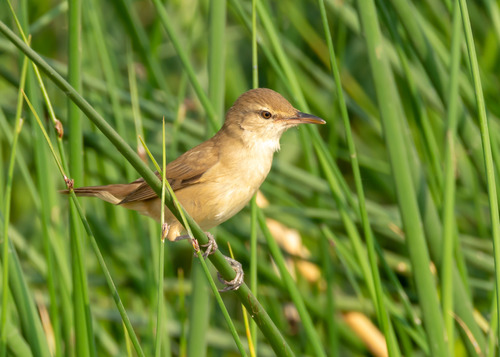
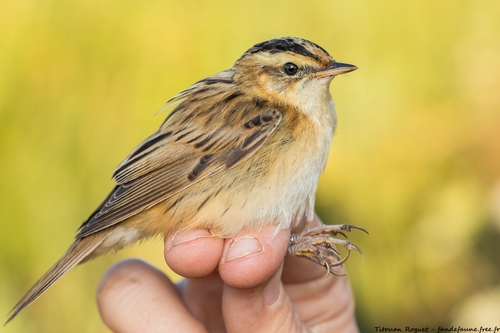
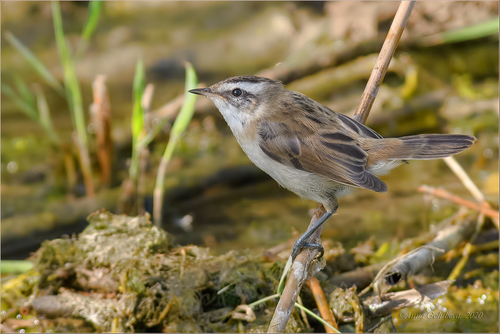
The moustached warbler, scientifically Acrocephalus melanopogon (Temminck, 1823), measures 12–13 cm (4.7–5.1 in) in length, making it slightly smaller than the closely related sedge warbler (Acrocephalus schoenobaenus). Adult moustached warblers have a finely streaked brown back and white underparts. They have a flattened forehead, a prominent whitish supercilium, grey ear coverts, and a strong, pointed bill. Like most warbler species, males and females have identical plumage. Juvenile birds are more heavily streaked overall and have additional markings on their breasts. The song of the moustached warbler is fast, and bears similarity to the songs of the sedge warbler and reed warbler. It incorporates some vocal mimicry along with the characteristic whistles common to species of the Acrocephalus genus. Compared to the songs of its close relatives, the moustached warbler's song is softer and more melodious, and includes phrases that sound similar to the song of a nightingale. Unlike the sedge warbler, the moustached warbler does not sing while in flight. In areas north of its core range, the moustached warbler is scarce. It has been recorded as a very rare vagrant as far north as Poland and Denmark. A small number of reports have come from Great Britain, including a record of a breeding pair in Cambridgeshire in 1946. These British records have recently been removed from the official list of British birds, as they could not be convincingly distinguished from records of sedge warblers or paddyfield warblers. This species inhabits areas with upright aquatic vegetation, such as reeds and sedge.