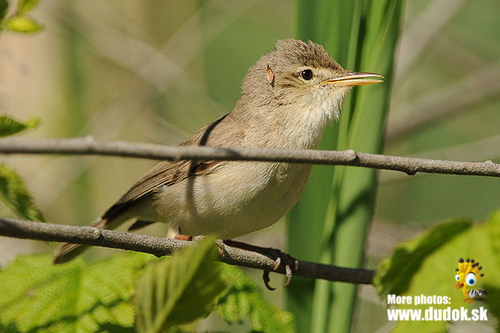
About Acrocephalus dumetorum Blyth, 1849
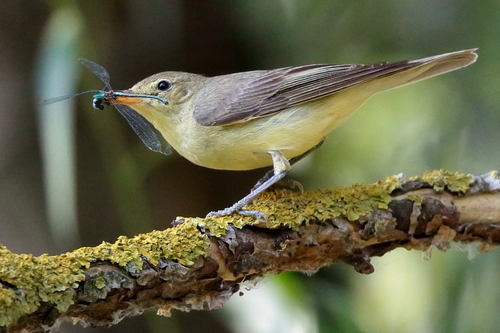
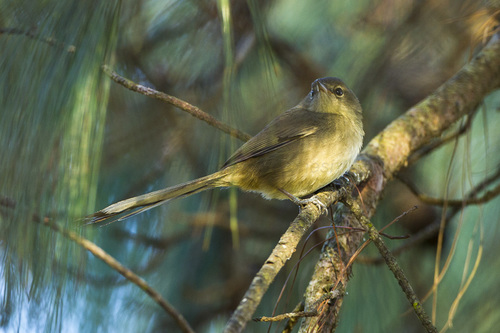
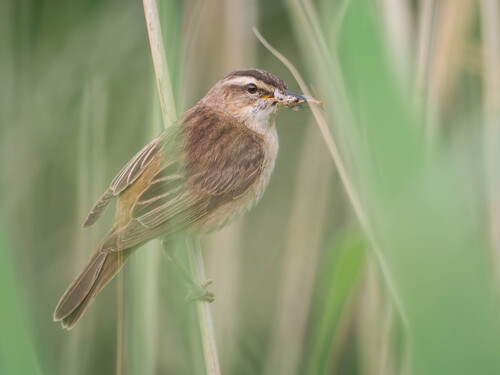
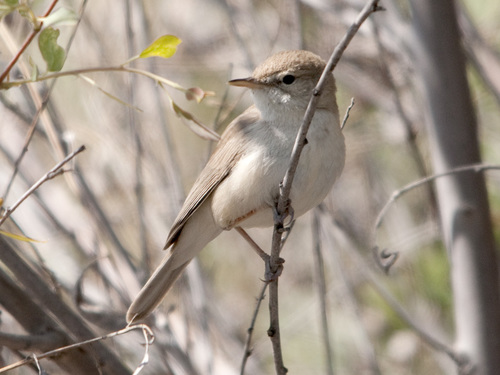
Blyth's reed warbler (Acrocephalus dumetorum Blyth, 1849) measures 12 to 14 cm (4.7 to 5.5 in) in length, and weighs 8 to 16 g (0.28 to 0.56 oz). It is a slim warbler with relatively short wings and a long bill. Its plumage is fairly plain with very few distinguishing features, and is noted to lack the "warmer" tones seen in related species. The upperparts are solid olive brown, and the short, rounded wings have less olive color than the rest of the upperparts. A short whitish supercilium runs from the base of the bill to the eye, and a dusky stripe runs through the eye. The underparts are plain and off-white. The fairly long, thick bill is greyish brown, with a pale pinkish-brown base on the lower mandible; the feet and legs are the same pale pinkish-brown color as the lower mandible base. Key identification resources for this species include Golley, Mark and Richard Millington (1996) Identification of Blyth's Reed Warbler in the field. Birding World 9(9): 351–353 and Vinicombe, Keith (2002) Identification matters: Acrocephalus. Birdwatch 124:27-30. Blyth's reed warbler breeds from the Baltic Sea in eastern Europe almost to Lake Baikal in Siberia, with an isolated southern population in Central Asia. It winters in India, Sri Lanka, Nepal, Bangladesh and Myanmar. This species was once a rare vagrant to western Europe, but it has been spreading and increasing in numbers in the region. Confirmed breeding was recorded in the Netherlands in 2022 and in Scotland in 2024. During the breeding season, it favors edges and clearings of damp broadleaved woodland, as well as wooded gullies, parks, gardens, scrub, and coniferous forest. In the winter, it occurs in trees in both wet and dry habitats.