About Acrantophis madagascariensis (Duméril & Bibron, 1844)
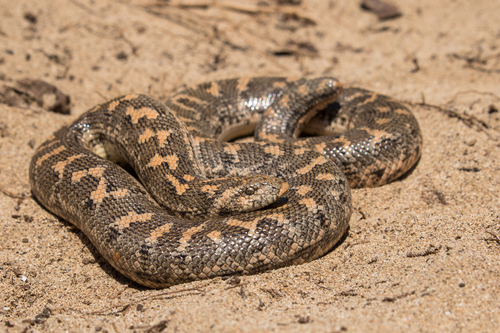
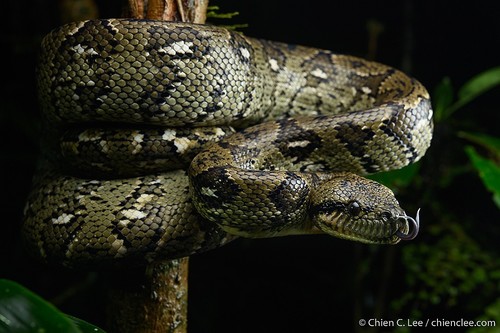
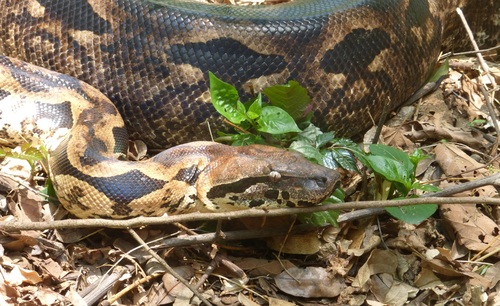
Acrantophis madagascariensis (Duméril & Bibron, 1844) is a species of snake in the Boidae family, classified within the Sanziniinae subfamily. No subspecies are currently recognized by science. Adult females of this species can grow up to 10 feet (3.0 metres) long, while males are typically smaller. The average length for individuals in the species is 8 feet (2.4 metres), and this makes it the largest snake species found on the island of Madagascar. Like other members of the Boidae family, Acrantophis madagascariensis kills its prey by constriction. The species has a color pattern built from a pale reddish-brown base tone mixed with gray. This base is overlaid with a pattern of rhombus-shaped markings along the back, outlined in black or brown. This patterning sometimes creates a vague zigzag appearance. The sides of the snake are marked with a series of black oval-shaped markings that contain reddish blotches, which are often bordered or centered with white. This species is endemic to Madagascar, where it occurs in the central, northern, and western regions of the island. It typically inhabits sparse, open woodland environments, including Madagascar's dry deciduous forests. Mating for this species occurs after individuals emerge from brumation. A single female may be courted by and mate with multiple males. Acrantophis madagascariensis is ovoviviparous; females give birth to 2 to 4 large live young after a long gestation period lasting 4 to 6 months. Newborn juveniles measure 19 to 24 inches (48 to 61 centimetres) long, and are already capable of hunting and feeding on small rodents and birds.