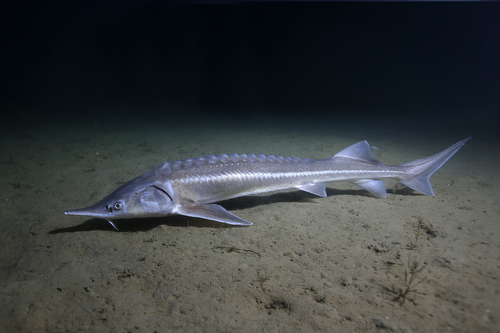
About Acipenser ruthenus Linnaeus, 1758
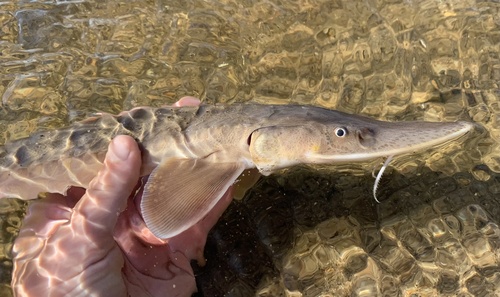
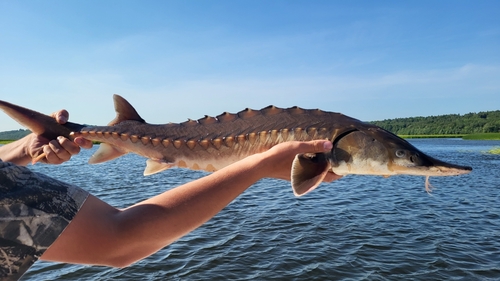
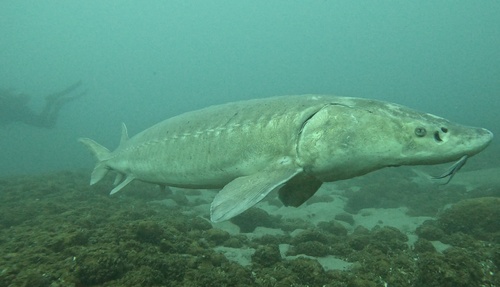
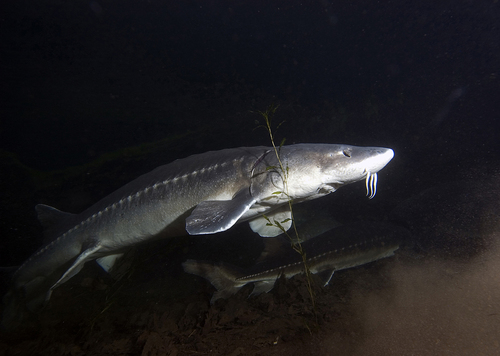
The sterlet, with the scientific name Acipenser ruthenus Linnaeus, 1758 (also referenced as Huso ruthenus and called the sterlet sturgeon), is a relatively small sturgeon species native to Eurasia. It is native to large rivers that flow into the Black Sea, Azov Sea, and Caspian Sea, as well as Siberian rivers reaching east as far as the Yenisei. Anadromous populations that migrate between fresh and salt water have been extirpated. Driven by overfishing for its flesh, caviar, and isinglass, plus pollution and dams, the sterlet has declined across its native range and is classified as vulnerable by the IUCN. Restocking projects are currently ongoing, and the species has been introduced to regions outside its original native range, though these introduced populations are generally not self-sustaining. Today, most international trade in sterlets involves individuals from aquaculture. In Russia, the sterlet is highly prized for its excellent flesh, and it also produces top-grade caviar and isinglass.