About Achillea ageratum L.
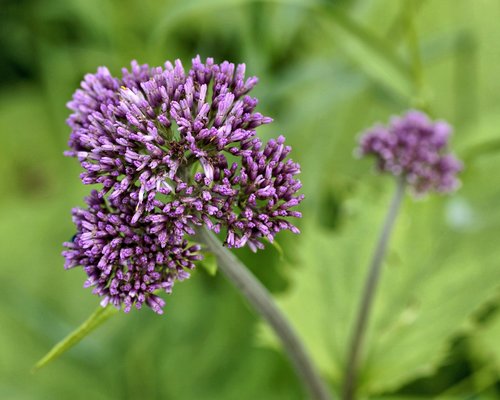
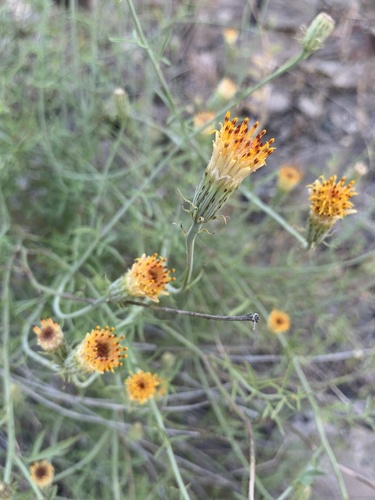
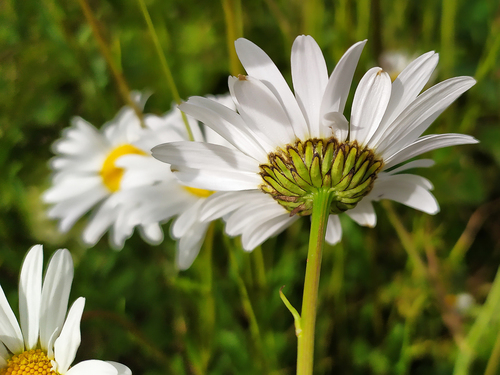
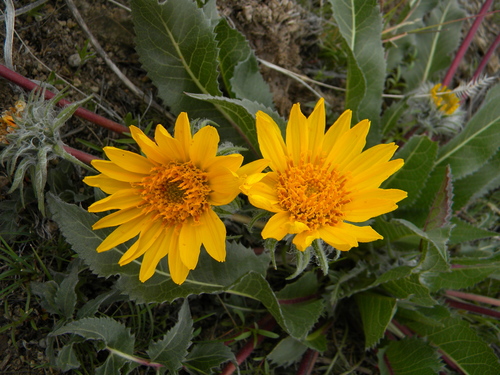
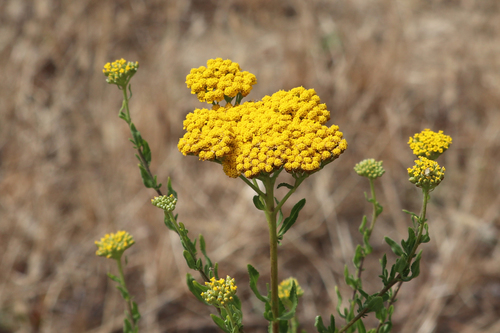
Achillea ageratum L., commonly called sweet yarrow, sweet-Nancy, English mace, or sweet maudlin, is a flowering plant belonging to the sunflower family. It is native to southern Europe and Morocco. In the United States, it is cultivated in the state of New York for its pleasant fragrance, and has become sparingly naturalized in a small number of locations outside of its native range. In the Middle Ages, this species was used as a strewing herb: it was placed in private indoor rooms to repel insects including moths, lice, and ticks, and to spread a pleasant scent through the space. Chopped fresh leaves of the plant can be used raw as an herb, or added alongside other herbs to soups and stews. Modern uses for Achillea ageratum include using it as a flavouring, using its flowers as dried flowers, and growing it as an ornamental herb. The species was formally named and published by Carl Linnaeus in his 1753 work Species Plantarum. The genus name Achillea references the Greek hero Achilles, who learned herbal medicine from his centaur mentor Chiron. The species epithet ageratum was chosen because the flowers of the plant bloom for a relatively long period of time. This hardy perennial grows to between 12 and 18 inches, or 300 to 460 mm, in height. It can be recognized by its narrow, serrated leaves and clusters of small flowers.