About Acanthodactylus boskianus (Daudin, 1802)
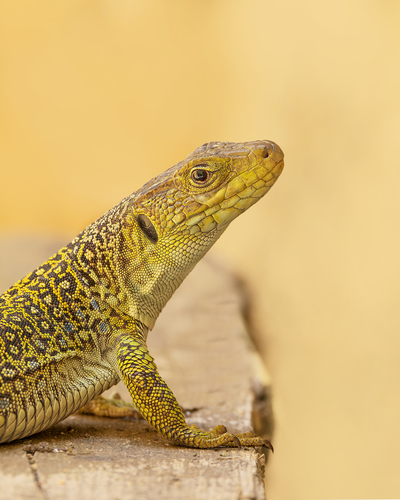
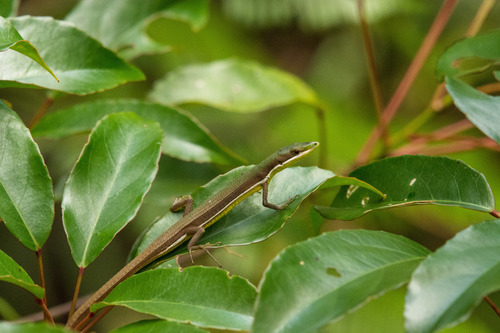
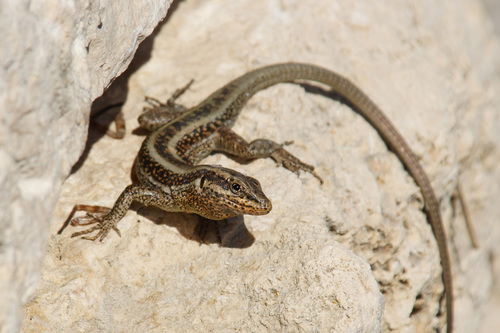
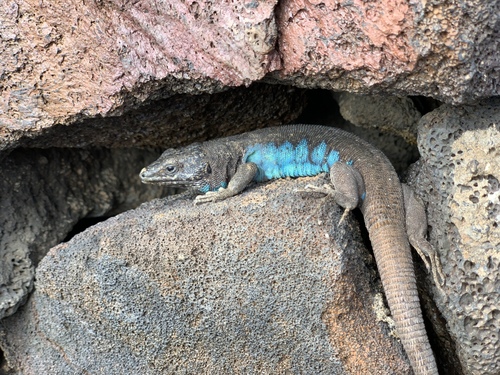
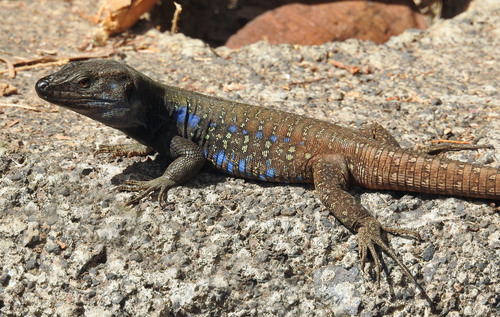
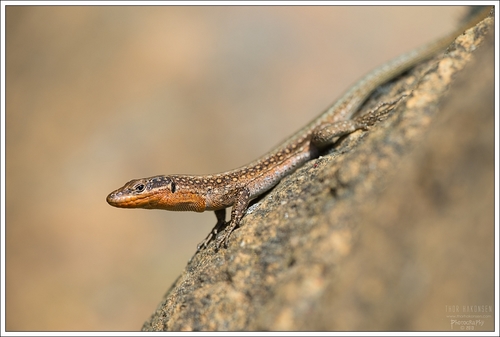
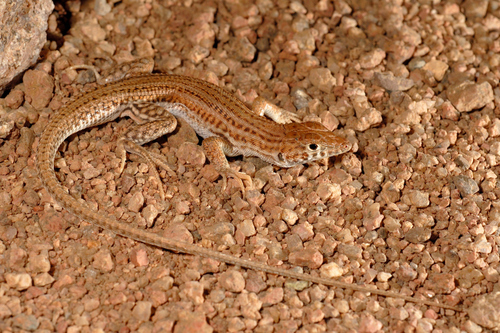
Acanthodactylus boskianus is a medium-sized lizard, with a snout-to-vent length ranging from 5 to 8 cm (2.0 to 3.1 inches). Males are typically larger than females. Its feet have long, slender fringed digits. The dorsal surface is olive-grey, marked with five longitudinal dark stripes; the central of these stripes subdivides at the neck. The ventral surface is whitish, but during the breeding season, the underside of the female's tail becomes suffused with red. Juveniles of this species have blue tails. Acanthodactylus boskianus occurs in Algeria, Egypt, Eritrea, Ethiopia, Iran, Iraq, Israel, Jordan, Kuwait, Libya, Mali, Mauritania, Niger, Nigeria, Oman, Saudi Arabia, Sudan, Syria, southern Turkey, Tunisia, and the United Arab Emirates. Across most of its range, it is one of the most common diurnal lizards. It can be found in a variety of habitats, including coastal plains, cultivated areas, saltmarshes, oases, and wadis. It typically occurs in areas with light to moderate vegetation cover, over sandy or gravelly substrates.