About Acaena magellanica (Lam.) Vahl
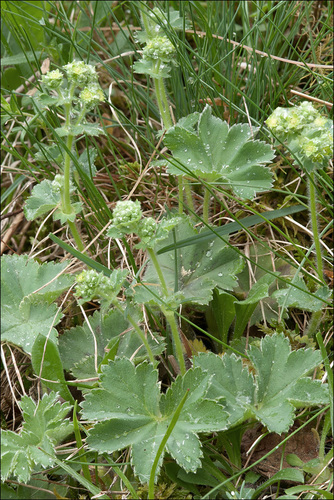
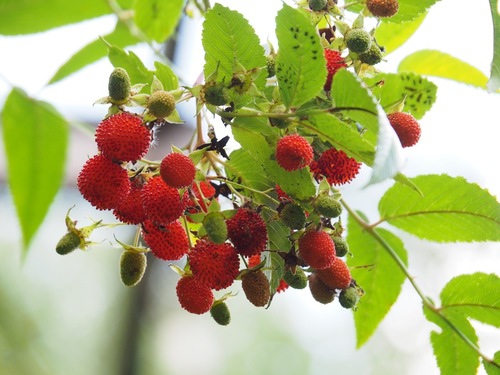
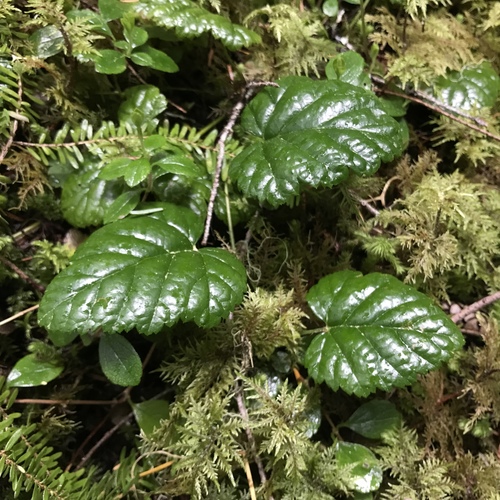
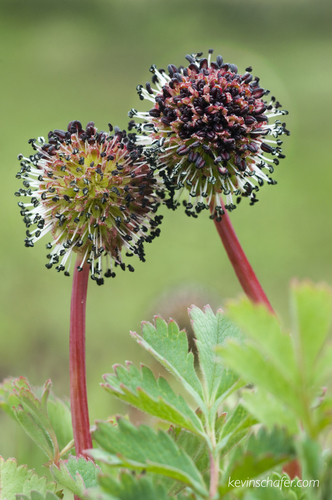
**Description**: Acaena magellanica (Lam.) Vahl is a perennial mat-forming plant with creeping stems, growing up to 14 cm (6 in) tall. Its leaves are oblong to linear-lanceolate, bearing 5 to 10 pairs of ovate leaflets. It produces globular flower heads that grow on wiry stems held well above the foliage. After flowering, it forms brown, prickly seed heads; the seeds have small hooks that allow them to cling to clothing, feathers, or fur.
**Distribution and habitat**: This species is native to southern South America. Its native range includes Argentina, Chile, and multiple sub-Antarctic islands: the Falkland Islands, Kerguelen Islands, Prince Edward Islands, Crozet Islands, South Georgia and the South Sandwich Islands, and Heard Island and McDonald Islands. Its typical habitat consists of damp locations including bog edges, stream banks, waterlogged areas, meadows, and forest margins. It grows from sea level up to an altitude of approximately 4,200 m (13,800 ft).
**Ecology**: On South Georgia, Acaena magellanica can form dense patches that cover the ground. It is deciduous, and when its leaves fall, moss species such as Tortula robusta that grow underneath it thrive. The Kerguelen Islands are part of the Southern Indian Ocean Islands tundra ecoregion, which is characterized by tussock grasses, lichens, and liverworts. A. magellanica is one of the few low forbs native to this area. The introduction of the European rabbit (Oryctolagus cuniculus), which selectively grazes its preferred native forb species, eliminated many native forbs here. After rabbits were eradicated from the islands, Acaena magellanica and other native forbs did not recover. This is because years of rabbit herbivory had depleted their seed banks, and introduced species including annual meadow grass (Poa annua), mouse-ear chickweed (Cerastium fontanum), and dandelion (Taraxacum officinale) out-competed the remaining native plants.