About Abies spectabilis (D.Don) Mirb.
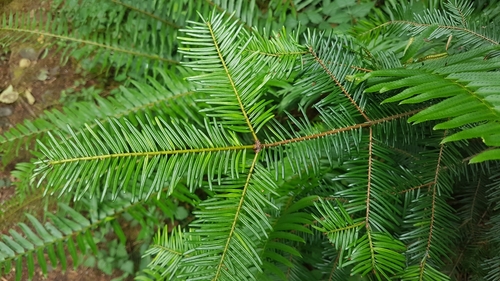
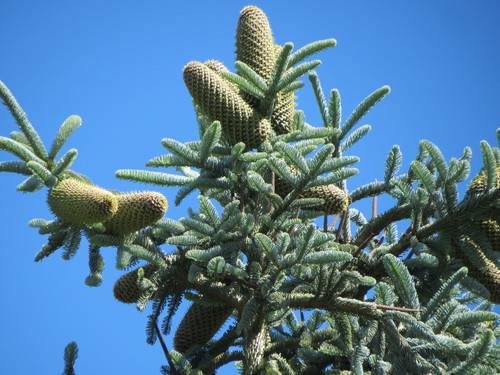
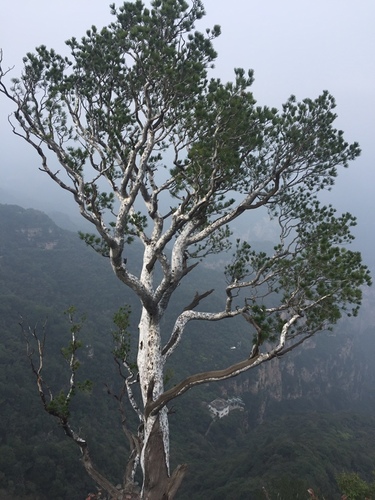
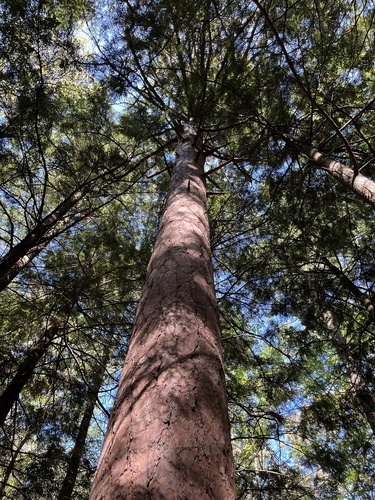
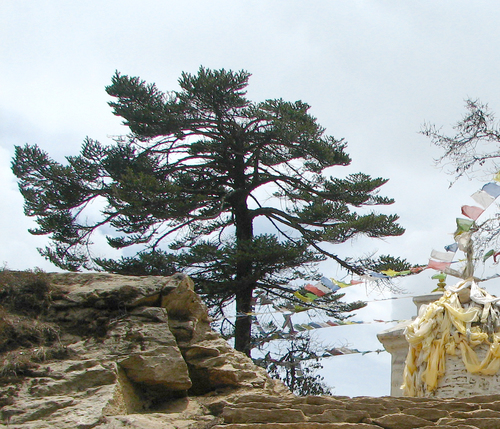
Abies spectabilis, commonly called the East Himalayan fir, is a conifer species belonging to the pine family Pinaceae, and is classified in the fir genus Abies. Some taxonomic treatments include the Bhutan fir, Abies densa, as a variety of this species. Its native range covers Afghanistan, Tibet (China), northern India, Nepal, and Pakistan. It is a large tree, reaching a maximum height of 50 meters (160 feet). Although the species has a wide overall distribution, it has been negatively impacted by logging and deforestation, particularly at lower elevations. In 2011, the IUCN assessed the conservation status of Abies spectabilis as Near Threatened. This species grows most often in mountain habitats between 1600 and 4000 meters in elevation, with the highest occurrence frequency across the Himalayas. While it can form pure, narrow stands of its own species, it is more frequently found growing alongside other similar conifers, specifically Abies pindrow and Abies densa. It is commonly misidentified as Abies densa. It grows best in cold, wet climate conditions. Humans have introduced this species to regions outside its native range. It did not become established in North America, but can be found growing in the United Kingdom and Ireland, where it does not always survive hot summer temperatures.