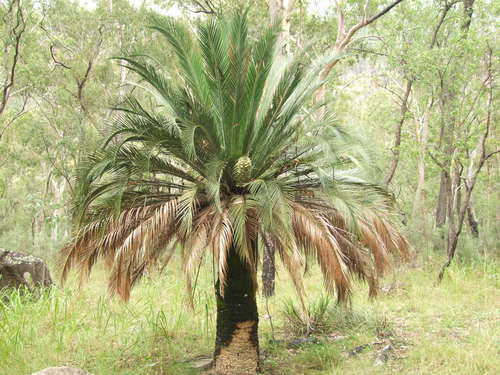
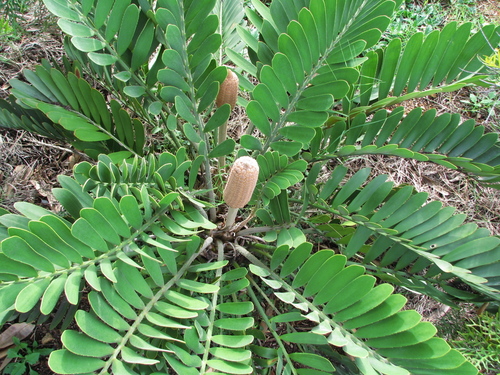
How to Identify Zamiaceae

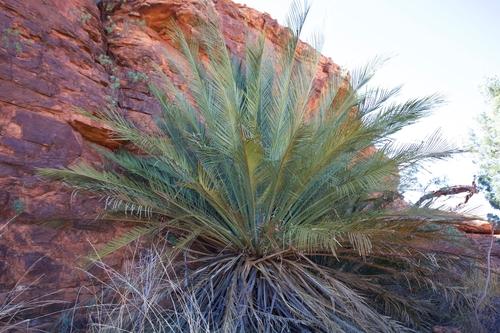
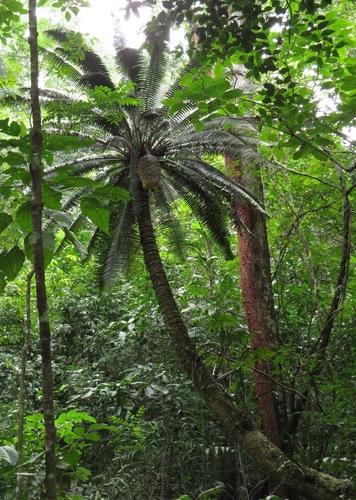
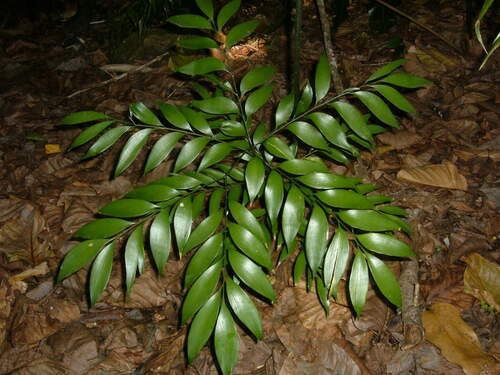
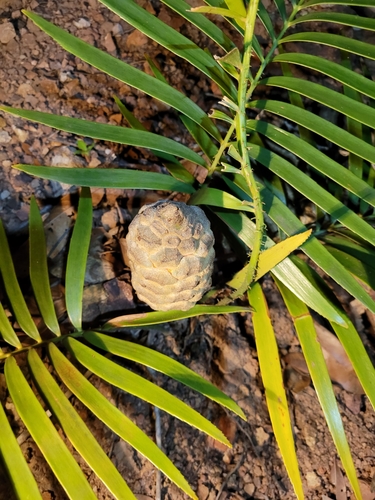
Zamiaceae is a plant family in the Plantae kingdom, order Cycadales, class Cycadopsida. The family contains 34 accepted species worldwide. Some species in this family are toxic — exercise caution when handling unknown specimens.

Key Identification Features

For instant identification in the field, use the iNature app — AI-powered, works offline.
Representative Zamiaceae Species

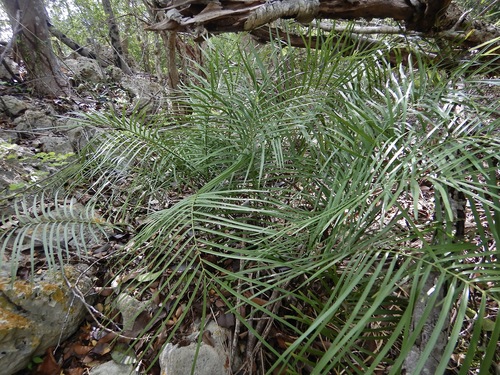
How to identify Stangeria eriopus (Kunze) Baill.

Stangeria eriopus (Kunze) Baill.

Stangeria eriopus (Kunze) Baill.

Stangeria eriopus is a unique South African cycad that is endangered from overha…

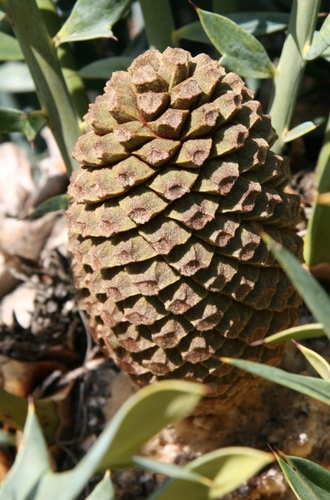
How to identify Zamia portoricensis Urb.

Zamia portoricensis Urb.

Zamia portoricensis Urb.

Zamia portoricensis is a Zamiaceae species endemic to western Puerto Rico's Susú…

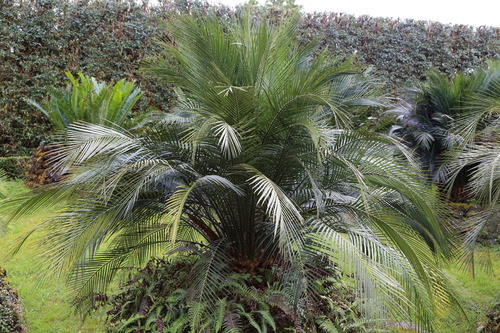
How to identify Encephalartos horridus (Jacq.) Lehm.

Encephalartos horridus (Jacq.) Lehm.

Encephalartos horridus (Jacq.) Lehm.

Encephalartos horridus, the Eastern Cape blue cycad, is a South African cycad wi…

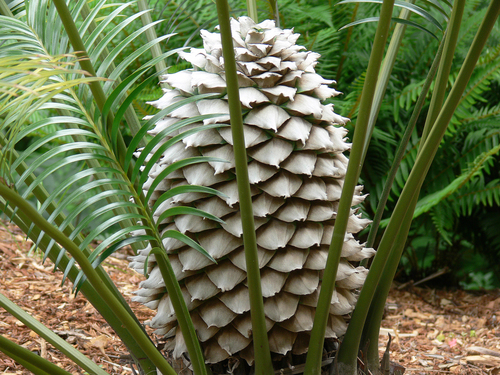
How to identify Macrozamia spiralis (Salisb.) Miq.

Macrozamia spiralis (Salisb.) Miq.

Macrozamia spiralis (Salisb.) Miq.

Macrozamia spiralis is an acaulescent cycad native to central New South Wales th…

How to identify Lepidozamia peroffskyana Regel

Lepidozamia peroffskyana Regel

Lepidozamia peroffskyana Regel

Lepidozamia peroffskyana is a large toxic cycad native to eastern Australia, gro…

How to identify Macrozamia macdonnellii (F.Muell. ex Miq.) A.DC.

Macrozamia macdonnellii (F.Muell. ex Miq.) A.DC.

Macrozamia macdonnellii (F.Muell. ex Miq.) A.DC.

Macrozamia macdonnellii is a cycad with large bluish-green pinnate leaves and se…

How to identify Dioon spinulosum Dyer ex Eichler

Dioon spinulosum Dyer ex Eichler

Dioon spinulosum Dyer ex Eichler

Dioon spinulosum is a large cycad native to eastern Mexican limestone rainforest…

How to identify Bowenia spectabilis Hook. ex Hook.f.

Bowenia spectabilis Hook. ex Hook.f.

Bowenia spectabilis Hook. ex Hook.f.

Bowenia spectabilis is a cycad species endemic to Queensland, Australia, growing…

How to identify Zamia loddigesii Miq.

Zamia loddigesii Miq.

Zamia loddigesii Miq.

Zamia loddigesii Miq. is a dioecious cycad with subterranean stems found in frag…

How to identify Macrozamia moorei F.Muell.

Macrozamia moorei F.Muell.

Macrozamia moorei F.Muell.

Macrozamia moorei is the tallest Macrozamia species, grown as an ornamental plan…

How to identify Zamia furfuracea L.f.

Zamia furfuracea L.f.

Zamia furfuracea L.f.

Zamia furfuracea L.f. is a slow-growing popular cycad, toxic to humans and anima…

How to identify Encephalartos longifolius (Jacq.) Lehm.

Encephalartos longifolius (Jacq.) Lehm.

Encephalartos longifolius (Jacq.) Lehm.

Encephalartos longifolius, the breadpalm, is a cycad native to coastal Eastern C…

Browse all 34 Zamiaceae species →

Frequently Asked Questions

How do you identify Zamiaceae?

Zamiaceae plants belong to the Cycadales order in the Plantae kingdom. Its leaves have pinnate veins, a feature that distinguishes this species from all other cycads. For instant identification, use the iNature app — AI-powered and works offline.

What are the key characteristics of Zamiaceae?

Zamiaceae is classified in the order Cycadales, class Cycadopsida, phylum Tracheophyta. This species occurs in two distinct variable forms or varieties.

⚠️ Are any Zamiaceae species poisonous?

Yes, some Zamiaceae species are toxic or poisonous. Always exercise caution with unknown specimens. View poisonous Zamiaceae species or browse the full poisonous species guide.

Sources: GBIF, iNaturalist, Wikipedia · Disclaimer

Start Exploring Nature Today

Download iNature for free. 10 identifications on us. No account needed. No credit card required.

Download Free on App Store