How to Identify Viverridae

Viverridae is a animal family in the Animalia kingdom, order Carnivora, class Mammalia. The family contains 14 accepted species worldwide.

Key Identification Features

For instant identification in the field, use the iNature app — AI-powered, works offline.
Representative Viverridae Species

How to identify Paradoxurus hermaphroditus (Pallas, 1777)

Paradoxurus hermaphroditus (Pallas, 1777)

Paradoxurus hermaphroditus (Pallas, 1777)

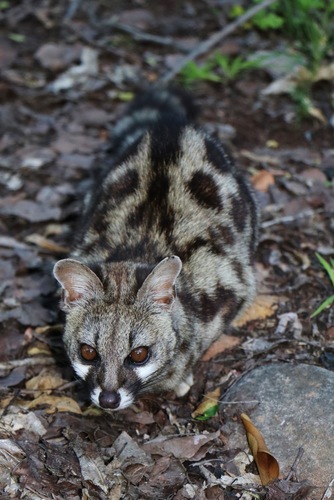
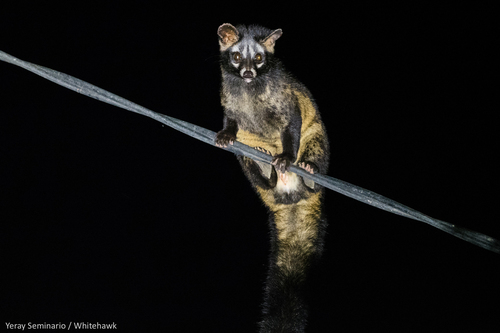
Paradoxurus hermaphroditus, the Asian palm civet, is a solitary nocturnal viverr…

How to identify Genetta servalina Pucheran, 1855

Genetta servalina Pucheran, 1855

Genetta servalina Pucheran, 1855

Genetta servalina (servaline genet) is a small carnivore with distinct spotted f…

How to identify Paradoxurus hermaphroditus musanga (Raffles, 1821)

Paradoxurus hermaphroditus musanga (Raffles, 1821)

Paradoxurus hermaphroditus musanga (Raffles, 1821)

This is a detailed description of the Asian palm civet (Paradoxurus hermaphrodit…

How to identify Genetta genetta felina (Thunberg, 1811)

Genetta genetta felina (Thunberg, 1811)

Genetta genetta felina (Thunberg, 1811)

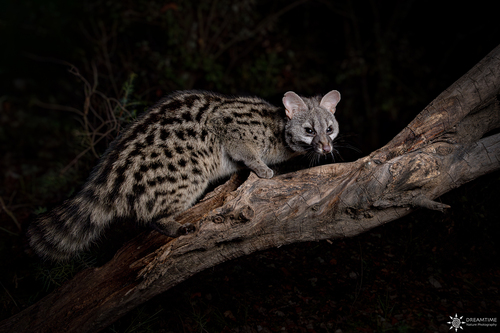
The common genet is a small cat-like carnivore with specific physical traits, di…

How to identify Genetta tigrina (Schreber, 1776)

Genetta tigrina (Schreber, 1776)

Genetta tigrina (Schreber, 1776)

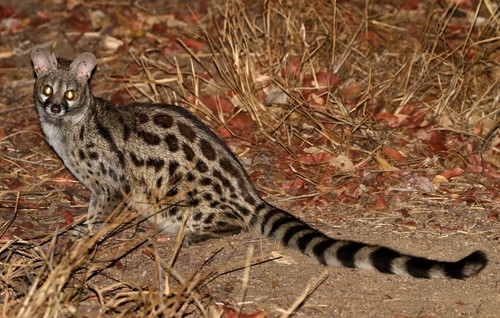
Genetta tigrina, the Cape genet, is a small nocturnal solitary omnivorous carniv…

How to identify Arctictis binturong (Raffles, 1821)

Arctictis binturong (Raffles, 1821)

Arctictis binturong (Raffles, 1821)

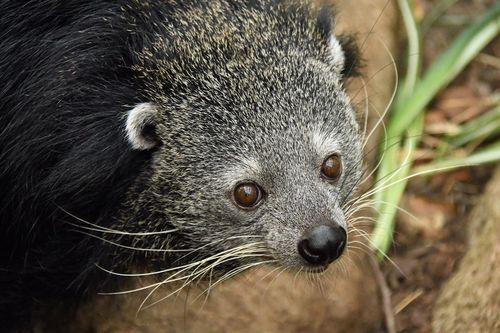
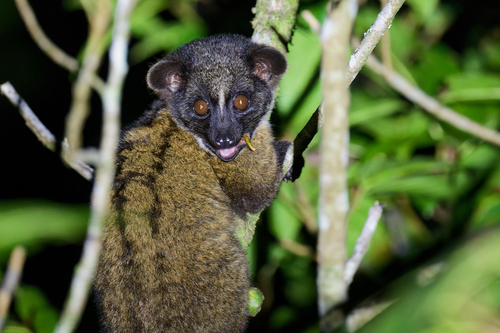
Arctictis binturong (binturong) is a carnivoran native to South and Southeast As…

How to identify Hemigalus derbyanus (Gray, 1837)

Hemigalus derbyanus (Gray, 1837)

Hemigalus derbyanus (Gray, 1837)

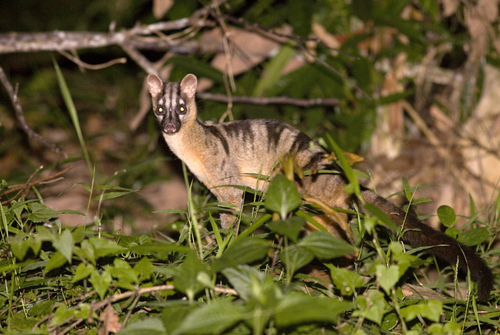
Hemigalus derbyanus, the banded palm civet, is a small, solitary nocturnal civet…

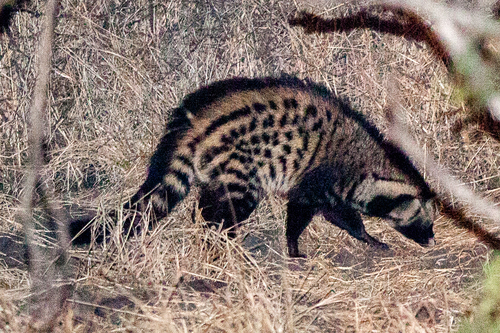
How to identify Civettictis civetta (Schreber, 1776)

Civettictis civetta (Schreber, 1776)

Civettictis civetta (Schreber, 1776)

Civettictis civetta, the African civet, is the largest African viverrid with dis…

How to identify Viverricula indica (É.Geoffroy Saint-Hilaire, 1803)

Viverricula indica (É.Geoffroy Saint-Hilaire, 1803)

Viverricula indica (É.Geoffroy Saint-Hilaire, 1803)

Viverricula indica, the small Indian civet, is a small carnivoran native to Sout…

How to identify Arctogalidia trivirgata (Gray, 1832)

Arctogalidia trivirgata (Gray, 1832)

Arctogalidia trivirgata (Gray, 1832)

The small-toothed palm civet is a viverrid native to dense forests in Southeast …

How to identify Genetta maculata (Gray, 1830)

Genetta maculata (Gray, 1830)

Genetta maculata (Gray, 1830)

Genetta maculata, the rusty-spotted genet, is a small spotted carnivoran with an…

How to identify Viverra tangalunga Gray, 1832

Viverra tangalunga Gray, 1832

Viverra tangalunga Gray, 1832

Viverra tangalunga, the Malay civet, is a solitary omnivorous terrestrial civet …

Browse all 14 Viverridae species →

Frequently Asked Questions

How do you identify Viverridae?

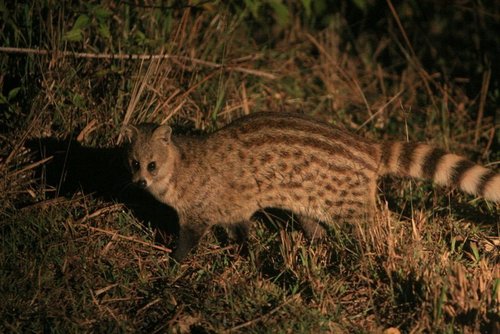
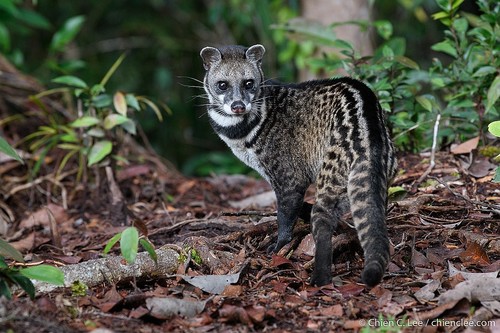
Viverridae animals belong to the Carnivora order in the Animalia kingdom. It has distinct white markings: a mask across the forehead, a small white patch under each eye, a white spot on each side of the nostrils, and a narrow dark line running between the eyes. For instant identification, use the iNature app — AI-powered and works offline.

What are the key characteristics of Viverridae?

Viverridae is classified in the order Carnivora, class Mammalia, phylum Chordata. Its muzzle is white, with distinct white spots below each eye; its ears are grey, and its tail has alternating black and white bands ending in a black tip.

Sources: GBIF, iNaturalist, Wikipedia · Disclaimer

Start Exploring Nature Today

Download iNature for free. 10 identifications on us. No account needed. No credit card required.

Download Free on App Store