Key Identification Features
- This violet has distinctive leaves marked by narrow lobes and deep sinuses.
For instant identification in the field, use the iNature app — AI-powered, works offline.
Violaceae is a plant family in the Plantae kingdom, order Malpighiales, class Magnoliopsida. The family contains 184 accepted species worldwide. Some species in this family are toxic — exercise caution when handling unknown specimens.
For instant identification in the field, use the iNature app — AI-powered, works offline.
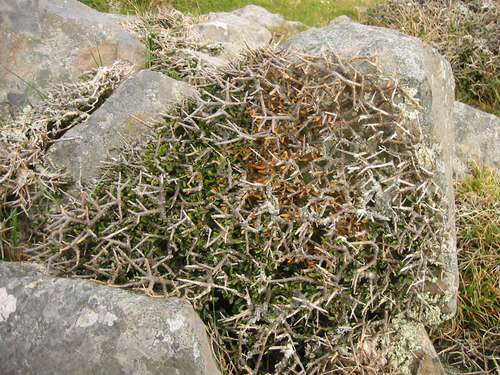
Melicytus alpinus (Kirk) Garn.-Jones
Melicytus alpinus, the porcupine shrub, is a New Zealand endemic slow-growing sh…
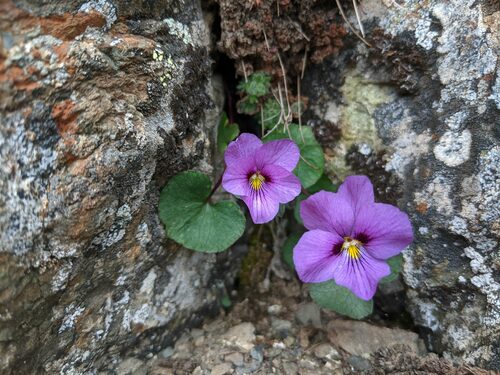
Viola flettii Piper
Viola flettii Piper is a vulnerable violet endemic to Washington’s Olympic Mount…
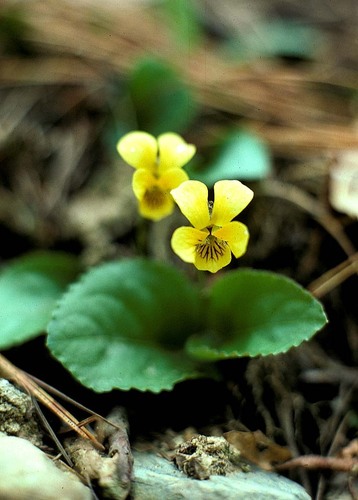
Viola rotundifolia Michx.
Viola rotundifolia, the roundleaf yellow violet, is a small 2-4 inch Viola speci…
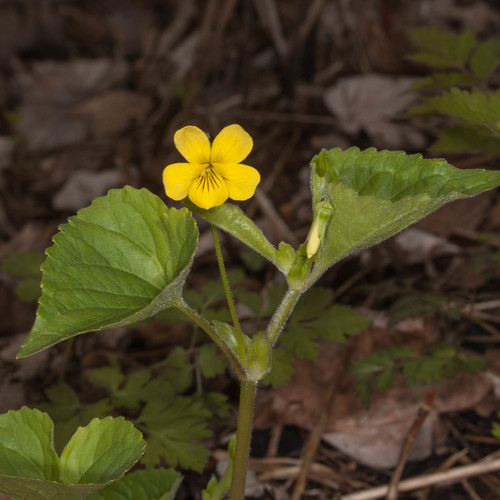
Viola eriocarpa (Nutt.) Schwein.
Viola eriocarpa is a violet that grows up to 35cm tall, with scattered stem leav…
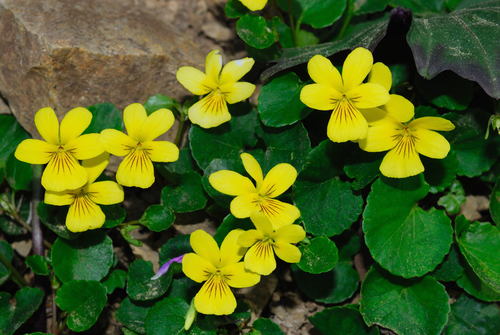
Viola sempervirens Greene
Viola sempervirens (redwood violet) is a small low perennial herb with single ye…
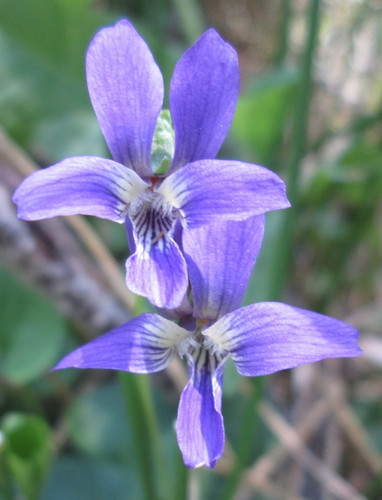
Viola nephrophylla Greene
Viola nephrophylla Greene is a North American native violet forb with kidney-sha…
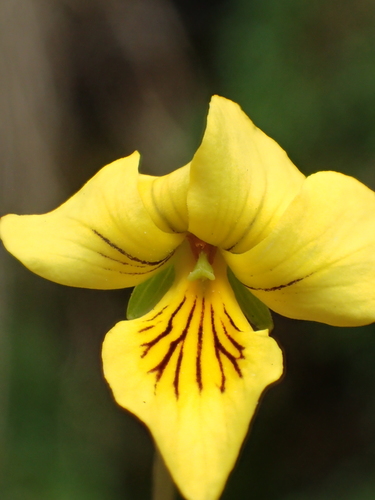
Viola biflora L.
Viola biflora L. is a Viola species with multiple common names, found across par…
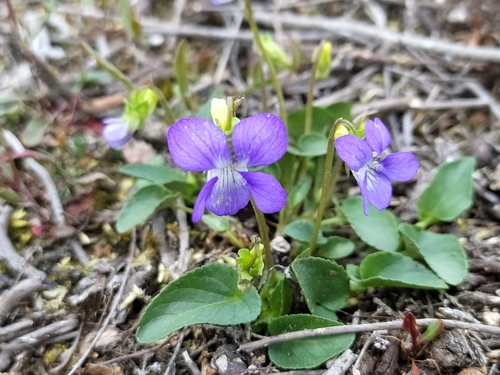
Viola canina L.
Viola canina is a small European herbaceous perennial violet native to acidic, m…
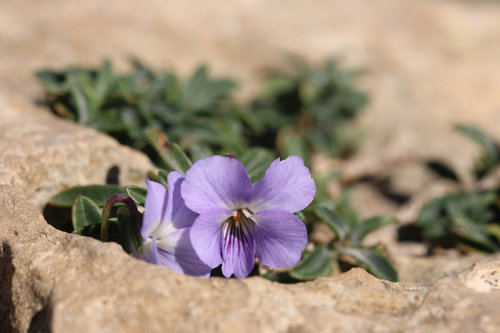
Viola arborescens L.
Viola arborescens, the tree violet, is a cold-hardy Viola species native to the …
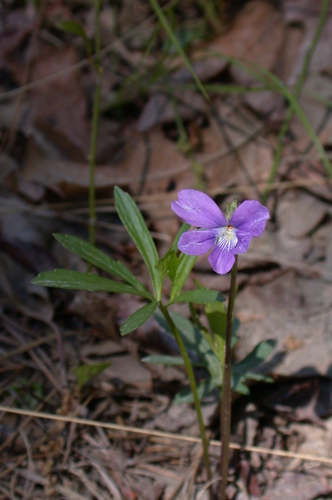
Viola brittoniana Pollard
Viola brittoniana is a rare endemic blue-flowered perennial violet from the east…
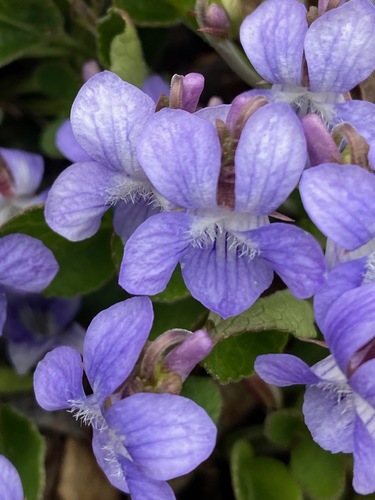
Viola adunca Sm.
Viola adunca Sm. is a small perennial violet, with edible aerial parts and toxic…
⚠️ Poisonous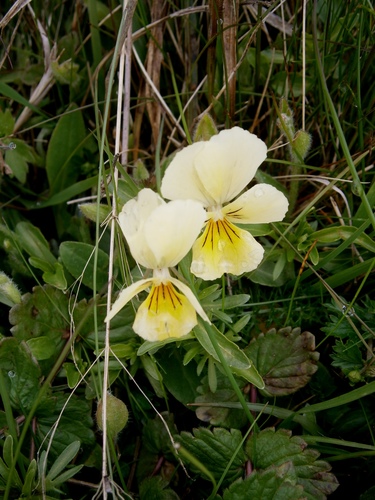
Viola lutea Huds.
Viola lutea Huds. is a compact violet, an ornamental, and the main ancestor of c…
Violaceae plants belong to the Malpighiales order in the Plantae kingdom. This violet has distinctive leaves marked by narrow lobes and deep sinuses. For instant identification, use the iNature app — AI-powered and works offline.
Violaceae is classified in the order Malpighiales, class Magnoliopsida, phylum Tracheophyta. The family contains 184 accepted species worldwide.
Yes, some Violaceae species are toxic or poisonous. Always exercise caution with unknown specimens. View poisonous Violaceae species or browse the full poisonous species guide.
Sources: GBIF, iNaturalist, Wikipedia · Disclaimer
Download iNature for free. 10 identifications on us. No account needed. No credit card required.
Download Free on App Store
