Key Identification Features
- Each leaf has three distinct curved, deeply indented lengthwise veins.
For instant identification in the field, use the iNature app — AI-powered, works offline.
Viburnaceae is a plant family in the Plantae kingdom, order Dipsacales, class Magnoliopsida. The family contains 60 accepted species worldwide. Some species in this family are toxic — exercise caution when handling unknown specimens.
For instant identification in the field, use the iNature app — AI-powered, works offline.
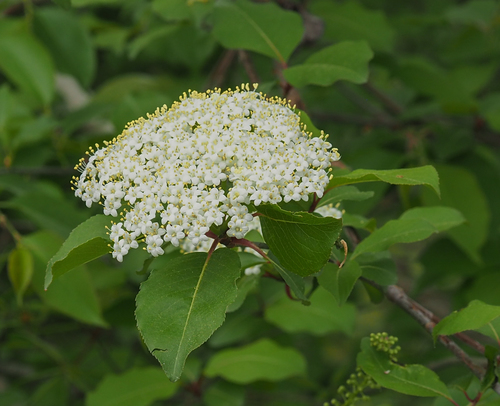
Viburnum prunifolium L.
Viburnum prunifolium (black haw) is a flowering shrub with ornamental use, edibl…
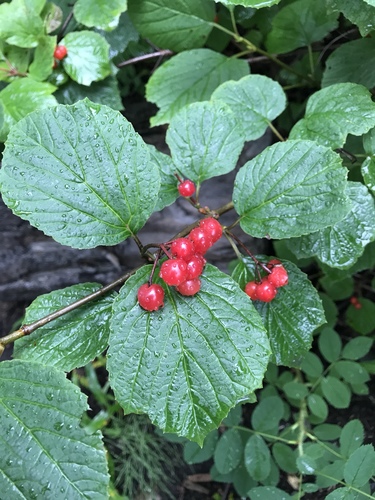
Viburnum edule (Michx.) Raf.
Viburnum edule (squashberry) is an edible berry-bearing deciduous shrub with a r…
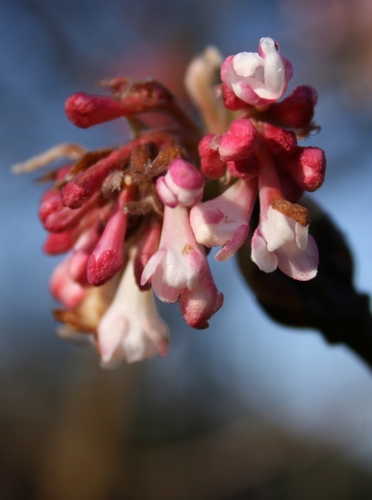
Viburnum farreri Stearn
Viburnum farreri is a deciduous flowering shrub native to northern China, widely…
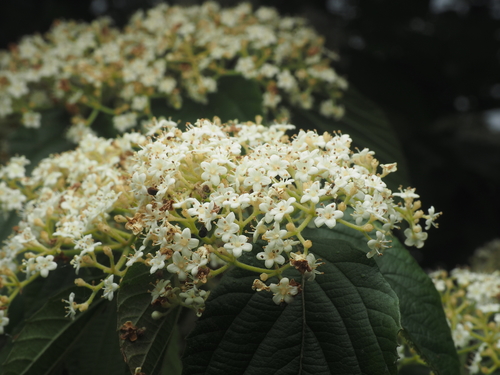
Viburnum luzonicum Rolfe
Viburnum luzonicum (Luzon viburnum) is an evergreen flowering bush often pruned …
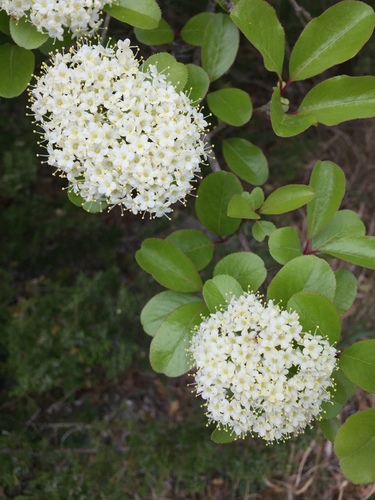
Viburnum rufidulum Raf.
Viburnum rufidulum, or rusty blackhaw, is a deciduous shrub/tree with edible fru…
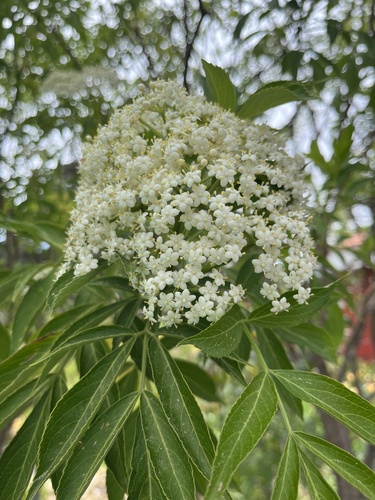
Sambucus palmensis Link
Sambucus palmensis is an endemic Canary Islands shrub or small tree that grows i…
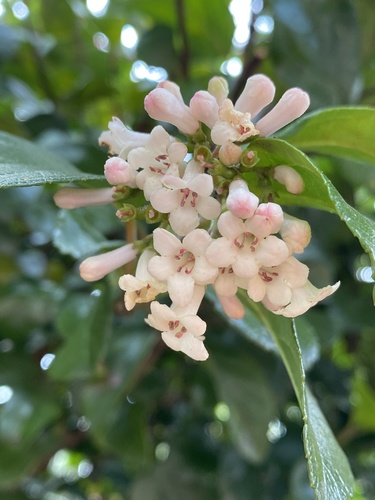
Viburnum suspensum Lindl.
Sandankwa viburnum (Viburnum suspensum) is a compact perennial shrub native to J…

Viburnum betulifolium Batalin
Birchleaf viburnum (Viburnum betulifolium) is a shade-tolerant flowering shrub n…
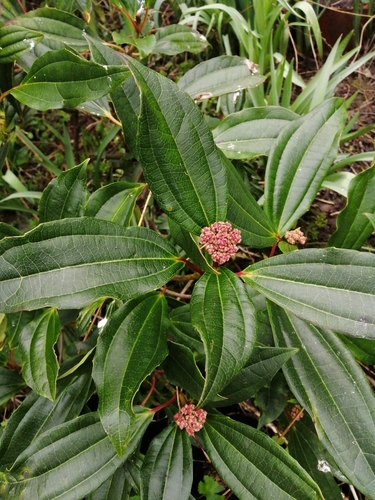
Viburnum davidi Franch.
Viburnum davidii (David viburnum) is an evergreen flowering shrub native to west…
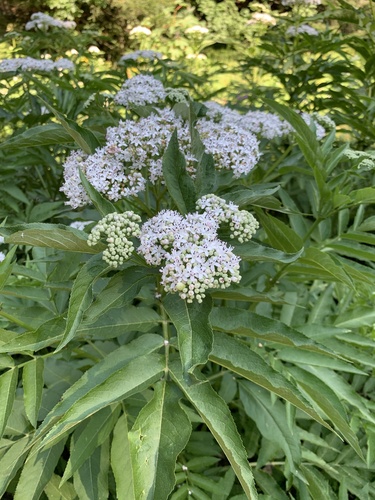
Sambucus ebulus L.
Sambucus ebulus (dwarf elder/danewort) is a toxic herb used in folk medicine for…
⚠️ Poisonous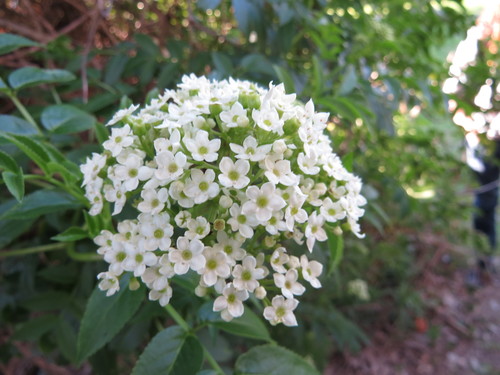
Sambucus australis Cham. & Schltdl.
Sambucus australis is a tree species in the Adoxaceae family native to parts of …
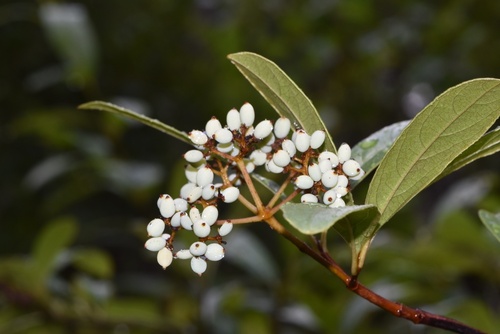
Viburnum nudum L.
Viburnum nudum L. is a North American native shrub with documented wildlife inte…
Viburnaceae plants belong to the Dipsacales order in the Plantae kingdom. Each leaf has three distinct curved, deeply indented lengthwise veins. For instant identification, use the iNature app — AI-powered and works offline.
Viburnaceae is classified in the order Dipsacales, class Magnoliopsida, phylum Tracheophyta. The family contains 60 accepted species worldwide.
Yes, some Viburnaceae species are toxic or poisonous. Always exercise caution with unknown specimens. View poisonous Viburnaceae species or browse the full poisonous species guide.
Sources: GBIF, iNaturalist, Wikipedia · Disclaimer
Download iNature for free. 10 identifications on us. No account needed. No credit card required.
Download Free on App Store
