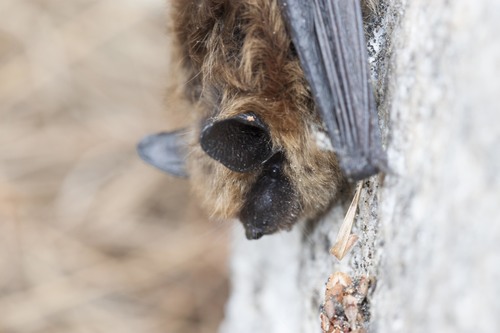
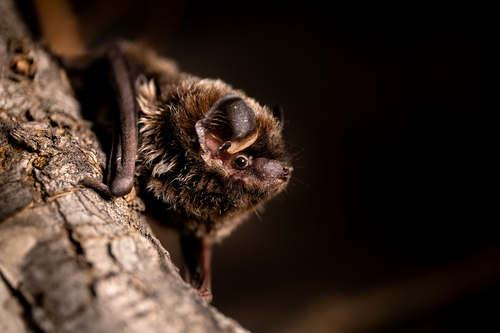
How to Identify Vespertilionidae

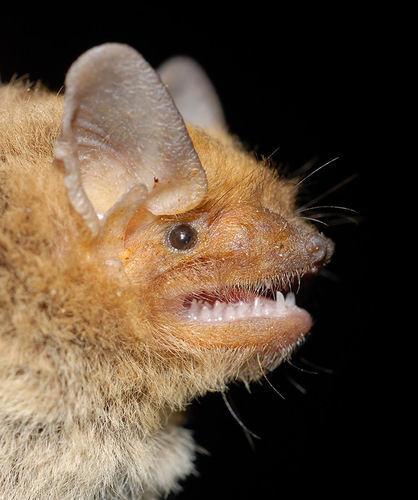
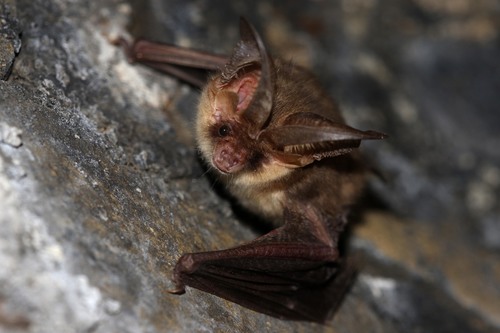
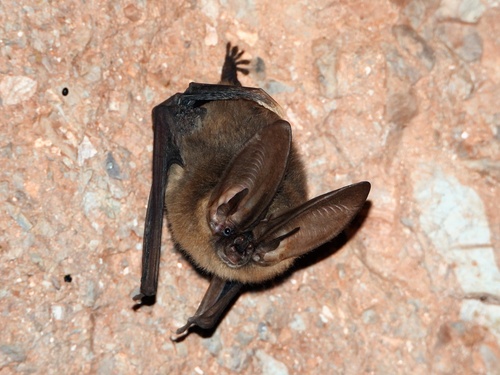
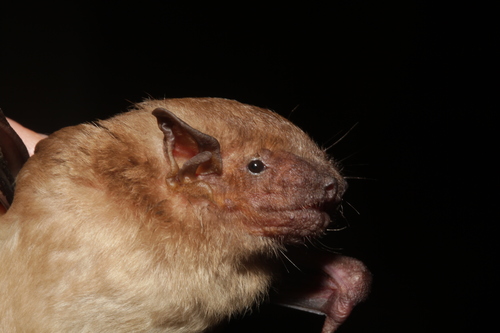
Vespertilionidae is a animal family in the Animalia kingdom, order Chiroptera, class Mammalia. The family contains 63 accepted species worldwide.

Key Identification Features

For instant identification in the field, use the iNature app — AI-powered, works offline.
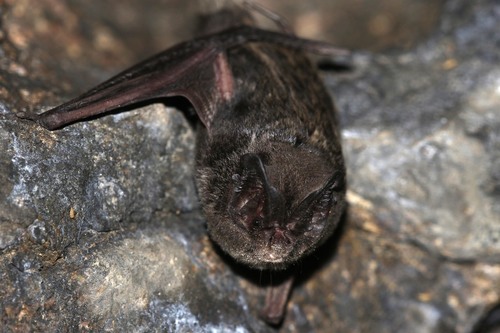
Representative Vespertilionidae Species

How to identify Barbastella barbastellus (Schreber, 1774)

Barbastella barbastellus (Schreber, 1774)

Barbastella barbastellus (Schreber, 1774)

Barbastella barbastellus is a rare, medium-sized European bat with characteristi…

How to identify Myotis nattereri (Kuhl, 1817)

Myotis nattereri (Kuhl, 1817)

Myotis nattereri (Kuhl, 1817)

Myotis nattereri, or Natterer's bat, is a medium-sized western Palaearctic bat w…

How to identify Pipistrellus kuhlii (Kuhl, 1817)

Pipistrellus kuhlii (Kuhl, 1817)

Pipistrellus kuhlii (Kuhl, 1817)

Kuhl's pipistrelle is a small, generalist insectivorous bat with a large increas…

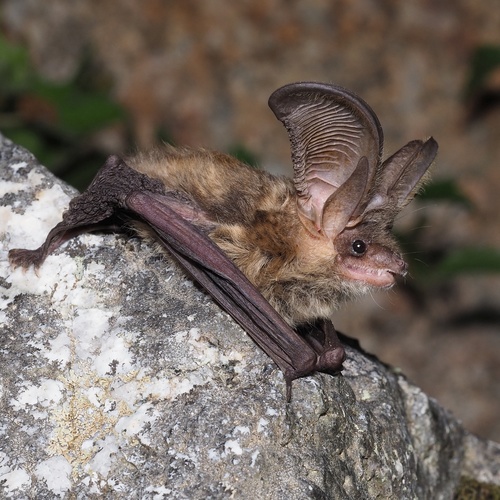
How to identify Plecotus auritus (Linnaeus, 1758)

Plecotus auritus (Linnaeus, 1758)

Plecotus auritus (Linnaeus, 1758)

Plecotus auritus, the brown long-eared bat, is a small Eurasian insectivorous ba…

How to identify Corynorhinus townsendii (Cooper, 1837)

Corynorhinus townsendii (Cooper, 1837)

Corynorhinus townsendii (Cooper, 1837)

Corynorhinus townsendii, Townsend's big-eared bat, is a medium-sized bat found a…

How to identify Scotophilus kuhlii Leach, 1821

Scotophilus kuhlii Leach, 1821

Scotophilus kuhlii Leach, 1821

Scotophilus kuhlii, the lesser Asiatic yellow bat, is a vesper bat found across …

How to identify Plecotus austriacus (J.Fischer, 1829)

Plecotus austriacus (J.Fischer, 1829)

Plecotus austriacus (J.Fischer, 1829)

Plecotus austriacus, the grey long-eared bat, is a fairly large fairly large Eur…

How to identify Aeorestes cinereus (Palisot de Beauvois, 1796)

Aeorestes cinereus (Palisot de Beauvois, 1796)

Aeorestes cinereus (Palisot de Beauvois, 1796)

Aeorestes cinereus, the hoary bat, is a North American bat with documented debat…

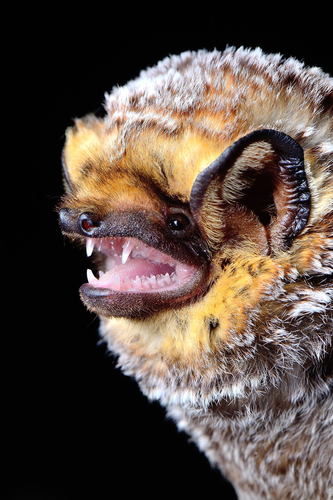
How to identify Lasiurus borealis (Müller, 1776)

Lasiurus borealis (Müller, 1776)

Lasiurus borealis (Müller, 1776)

Lasiurus borealis, the eastern red bat, is a medium-sized insectivorous bat foun…

How to identify Pipistrellus pygmaeus (Leach, 1825)

Pipistrellus pygmaeus (Leach, 1825)

Pipistrellus pygmaeus (Leach, 1825)

Pipistrellus pygmaeus, the soprano pipistrelle, is a small European bat that oft…

How to identify Myotis leibii (Audubon & Bachman, 1842)

Myotis leibii (Audubon & Bachman, 1842)

Myotis leibii (Audubon & Bachman, 1842)

Myotis leibii, the eastern small-footed bat, is a small North American Myotis ba…

How to identify Lasionycteris noctivagans (Le Conte, 1831)

Lasionycteris noctivagans (Le Conte, 1831)

Lasionycteris noctivagans (Le Conte, 1831)

Lasionycteris noctivagans is a medium-sized frosted black bat found across North…

Browse all 63 Vespertilionidae species →

Frequently Asked Questions

How do you identify Vespertilionidae?

Vespertilionidae animals belong to the Chiroptera order in the Animalia kingdom. This national park is known for its beech forest, which forms part of the UNESCO World Heritage Site "Ancient and Primeval Beech Forests of the Carpathians and Other Regions of Europe". For instant identification, use the iNature app — AI-powered and works offline.

What are the key characteristics of Vespertilionidae?

Vespertilionidae is classified in the order Chiroptera, class Mammalia, phylum Chordata. It is marked by distinctive long ears that feature a unique fold.

Sources: GBIF, iNaturalist, Wikipedia · Disclaimer

Start Exploring Nature Today

Download iNature for free. 10 identifications on us. No account needed. No credit card required.

Download Free on App Store