Key Identification Features
- macdougalii can be told apart from the similar species Verbena hastata by two features: V.
For instant identification in the field, use the iNature app — AI-powered, works offline.
Verbenaceae is a plant family in the Plantae kingdom, order Lamiales, class Magnoliopsida. The family contains 117 accepted species worldwide. Some species in this family are toxic — exercise caution when handling unknown specimens.
For instant identification in the field, use the iNature app — AI-powered, works offline.
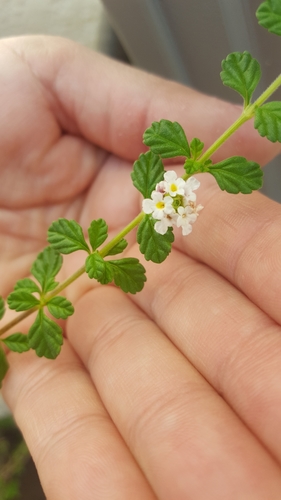
Lippia micromera Schauer
Lippia micromera is an aromatic Verbena family plant with white flowers grown in…
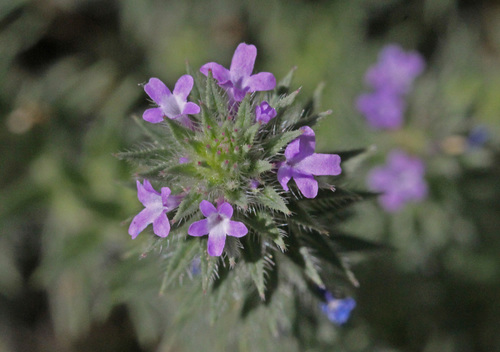
Verbena bracteata Cav. ex Lag. & Rodr.
Verbena bracteata is a widespread North American verbena that grows low mats and…
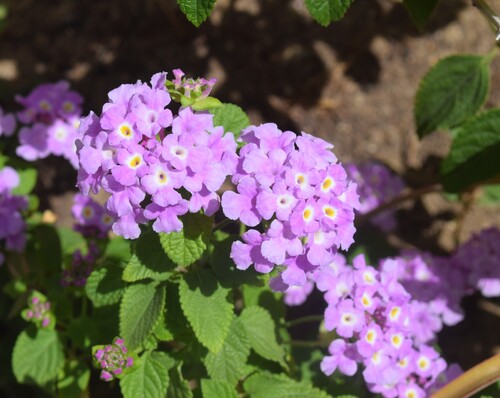
Lantana montevidensis (Spreng.) Briq.
Lantana montevidensis is a trailing mat-forming shrub, widely cultivated ornamen…
⚠️ Poisonous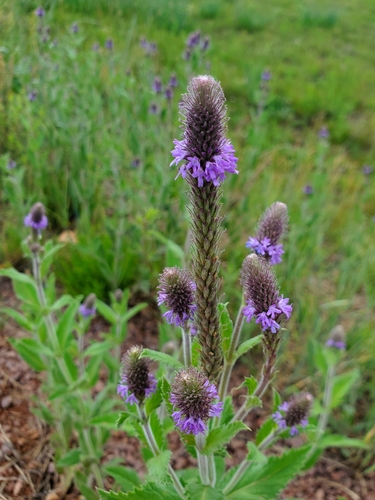
Verbena macdougalii A.Heller
Verbena macdougalii is a perennial herbaceous flowering verbena native to the so…
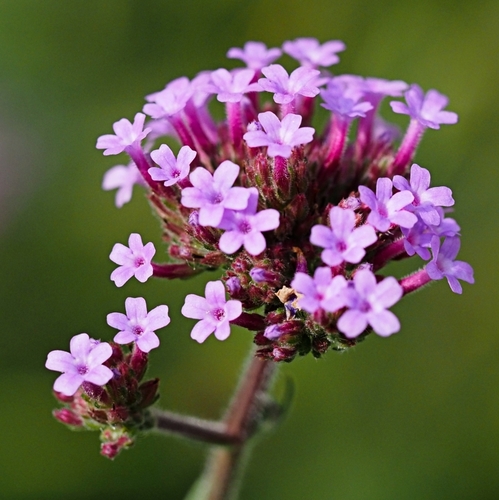
Verbena bonariensis L.
Verbena bonariensis is a tall ornamental flowering perennial valued for attracti…
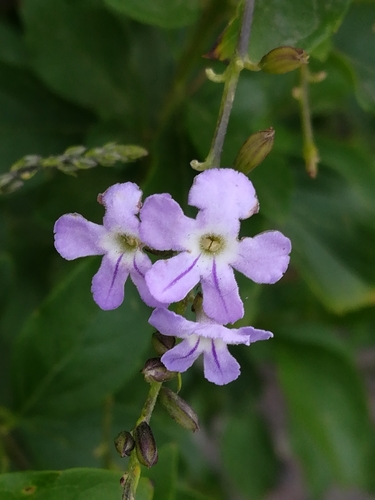
Duranta erecta L.
Duranta erecta L. (golden dewdrop) is an American shrub widely cultivated as an …
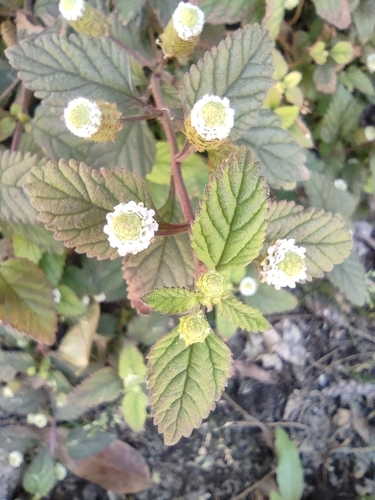
Lippia dulcis Trevir.
Lippia dulcis Trevir. is a sweet-tasting perennial herb native to parts of the A…
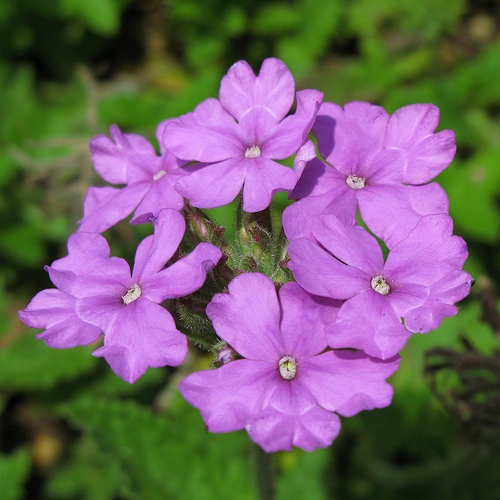
Verbena tenera Spreng.
Verbena tenera (South American mock vervain) is a verbena family flowering plant…
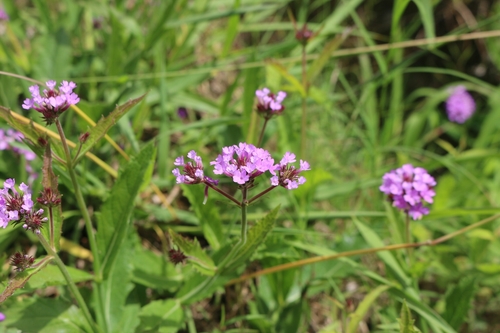
Verbena L.
Verbena rigida is a flowering herbaceous perennial commonly grown in gardens, na…
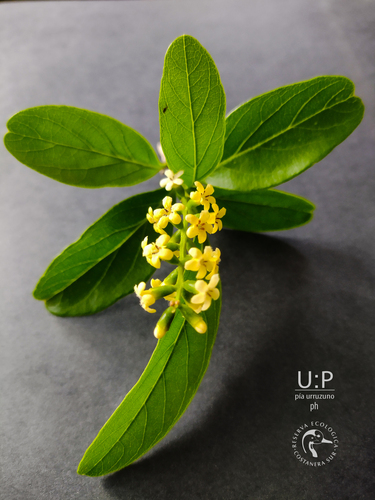
Citharexylum montevidense (Spreng.) Moldenke
Citharexylum, genus of Citharexylum montevidense, is an American Verbenaceae gen…
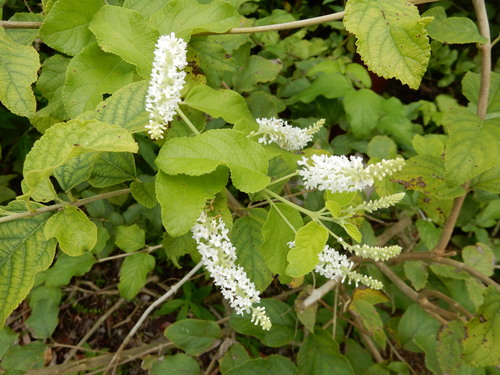
Aloysia virgata (Ruiz & Pav.) Juss.
Aloysia virgata is a fragrant flowering shrub popular in cultivation that attrac…
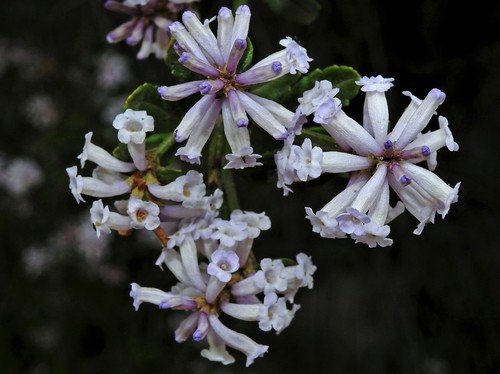
Diostea juncea (Gillies & Hook.) Miers
Diostea is a monotypic Verbenaceae genus with the only species Diostea juncea, n…
Verbenaceae plants belong to the Lamiales order in the Plantae kingdom. macdougalii can be told apart from the similar species Verbena hastata by two features: V. For instant identification, use the iNature app — AI-powered and works offline.
Verbenaceae is classified in the order Lamiales, class Magnoliopsida, phylum Tracheophyta. The family contains 117 accepted species worldwide.
Yes, some Verbenaceae species are toxic or poisonous. Always exercise caution with unknown specimens. View poisonous Verbenaceae species or browse the full poisonous species guide.
Sources: GBIF, iNaturalist, Wikipedia · Disclaimer
Download iNature for free. 10 identifications on us. No account needed. No credit card required.
Download Free on App Store
