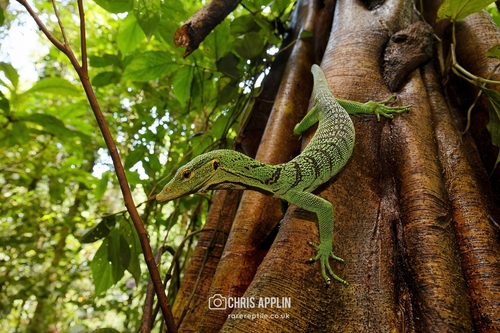
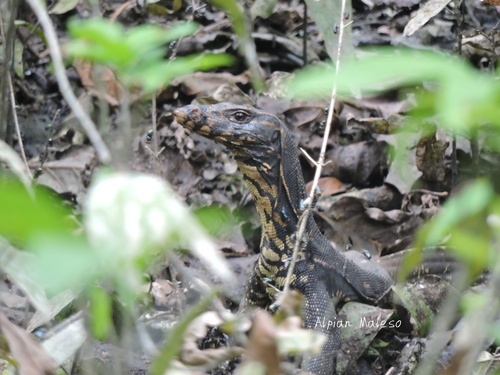
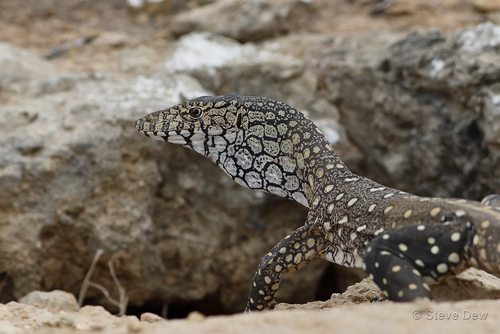
How to Identify Varanidae

Varanidae is a animal family in the Animalia kingdom, order , class Squamata. The family contains 23 accepted species worldwide.

Key Identification Features

For instant identification in the field, use the iNature app — AI-powered, works offline.
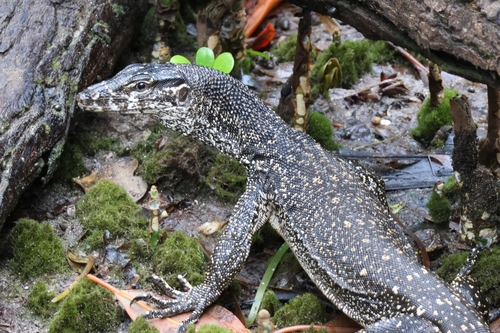
Representative Varanidae Species

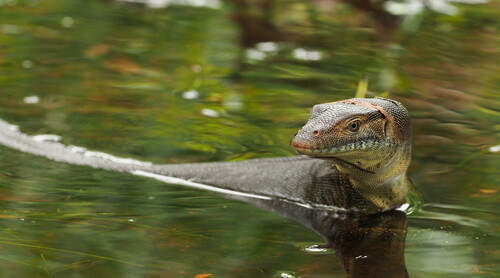
How to identify Varanus palawanensis Koch, Gaulke & Böhme, 2010

Varanus palawanensis Koch, Gaulke & Böhme, 2010

Varanus palawanensis Koch, Gaulke & Böhme, 2010

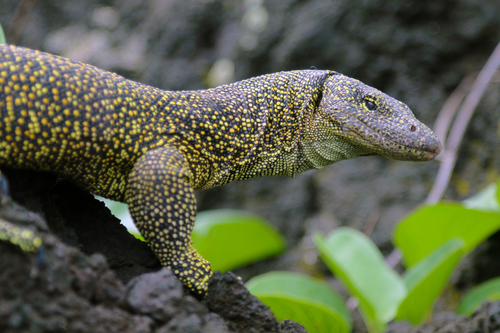
Varanus palawanensis, the Palawan water monitor, is a large lizard endemic to th…

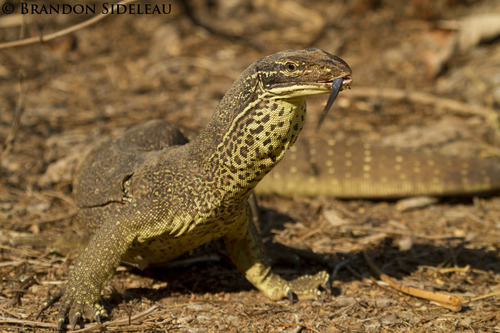
How to identify Varanus panoptes Storr, 1980

Varanus panoptes Storr, 1980

Varanus panoptes Storr, 1980

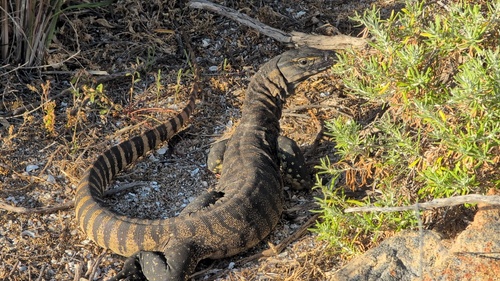
Varanus panoptes (the Argus monitor) is Australia's third largest lizard, with d…

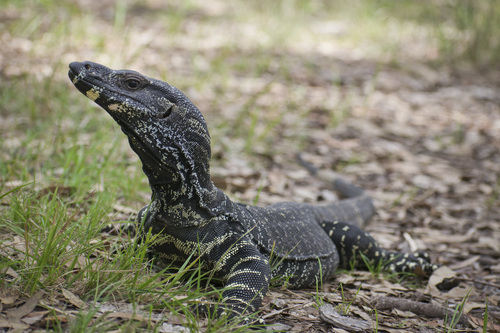
How to identify Varanus varius (Shaw, 1790)

Varanus varius (Shaw, 1790)

Varanus varius (Shaw, 1790)

Varanus varius, the lace monitor, is a large Australian monitor lizard currently…

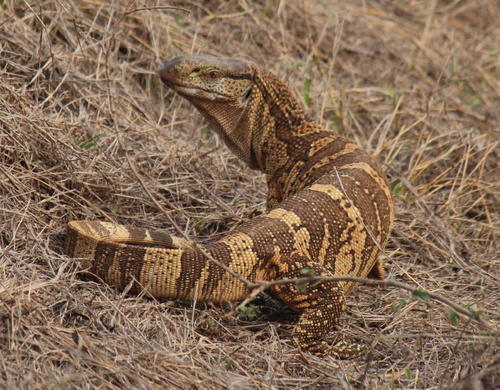
How to identify Varanus albigularis Daudin, 1802

Varanus albigularis Daudin, 1802

Varanus albigularis Daudin, 1802

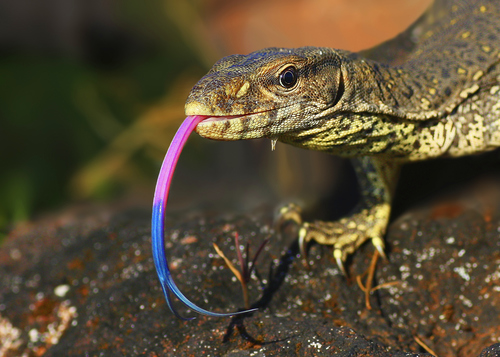
Varanus albigularis is a large African lizard found across much of the continent…

How to identify Varanus mertensi Glauert, 1951

Varanus mertensi Glauert, 1951

Varanus mertensi Glauert, 1951

Mertens' water monitor is an aquatic Australian monitor lizard with unique under…

How to identify Varanus niloticus (Linnaeus, 1766)

Varanus niloticus (Linnaeus, 1766)

Varanus niloticus (Linnaeus, 1766)

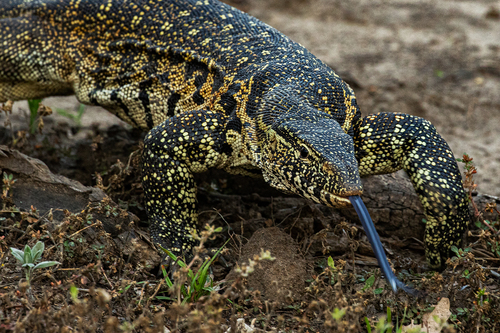
Varanus niloticus, the Nile monitor, is Africa's longest lizard native to Sub-Sa…

How to identify Varanus rosenbergi Mertens, 1957

Varanus rosenbergi Mertens, 1957

Varanus rosenbergi Mertens, 1957

Varanus rosenbergi is a large Australian monitor lizard found across southern pa…

How to identify Varanus tsukamotoi (Kishida, 1929)

Varanus tsukamotoi (Kishida, 1929)

Varanus tsukamotoi (Kishida, 1929)

Varanus tsukamotoi, the Mariana monitor, is a varanid lizard endemic to Micrones…

How to identify Varanus bengalensis (Daudin, 1802)

Varanus bengalensis (Daudin, 1802)

Varanus bengalensis (Daudin, 1802)

This is a detailed species description of the Bengal monitor lizard covering phy…

How to identify Varanus prasinus (Schlegel, 1839)

Varanus prasinus (Schlegel, 1839)

Varanus prasinus (Schlegel, 1839)

Varanus prasinus, the emerald tree monitor, is a social arboreal lizard found in…

How to identify Varanus togianus (Peters, 1872)

Varanus togianus (Peters, 1872)

Varanus togianus (Peters, 1872)

Varanus togianus, the Togian water monitor, is a monitor lizard endemic to Sulaw…

How to identify Varanus giganteus (Gray, 1845)

Varanus giganteus (Gray, 1845)

Varanus giganteus (Gray, 1845)

Varanus giganteus, the perentie, is Australia's largest living lizard, found acr…

Browse all 23 Varanidae species →

Frequently Asked Questions

How do you identify Varanidae?

Varanidae animals belong to the order in the Animalia kingdom. Large dark spots run in rows along its back, becoming especially distinct at the center of the back, where they are interspersed with smaller, paler spots. For instant identification, use the iNature app — AI-powered and works offline.

What are the key characteristics of Varanidae?

Varanidae is classified in the order , class Squamata, phylum Chordata. Its head and neck are the same length, and are distinct from each other.

Sources: GBIF, iNaturalist, Wikipedia · Disclaimer

Start Exploring Nature Today

Download iNature for free. 10 identifications on us. No account needed. No credit card required.

Download Free on App Store