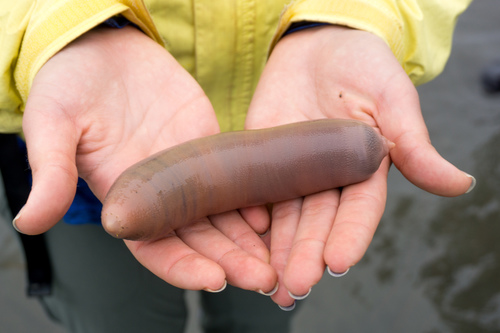
Key Identification Features
- It has a pair of bristle-like setae on the ventral surface at its anterior end, and a distinctive ring of roughly ten setae around the anus at its posterior end.
For instant identification in the field, use the iNature app — AI-powered, works offline.