How to Identify Uraniidae

Uraniidae is a animal family in the Animalia kingdom, order Lepidoptera, class Insecta. The family contains 28 accepted species worldwide.

Key Identification Features

For instant identification in the field, use the iNature app — AI-powered, works offline.
Representative Uraniidae Species

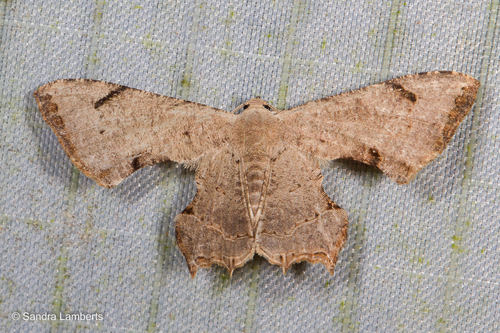
How to identify Acropteris iphiata Guenée

Acropteris iphiata Guenée

Acropteris iphiata Guenée

Acropteris iphiata is a Uraniidae moth found in East Asia, whose larvae feed on …

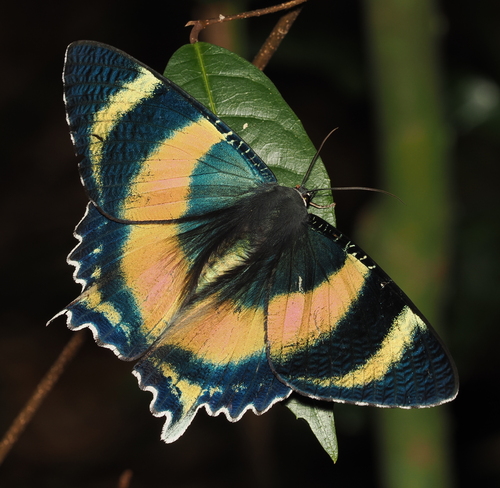
How to identify Alcides metaurus Hopffer, 1856

Alcides metaurus Hopffer, 1856

Alcides metaurus Hopffer, 1856

Alcides metaurus is a species found in Queensland and around New Guinea with a 1…

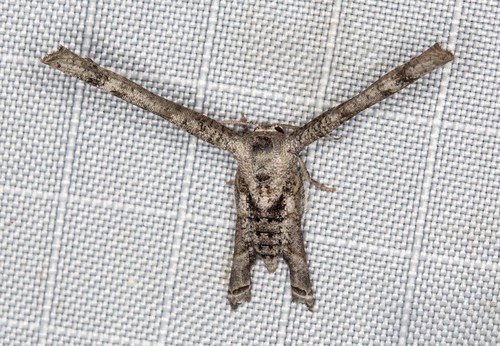
How to identify Dysaethria quadricaudata (Walker, 1861)

Dysaethria quadricaudata (Walker, 1861)

Dysaethria quadricaudata (Walker, 1861)

Dysaethria quadricaudata is a moth species with distinct wing and larval feature…

How to identify Phazaca interrupta Warren, 1896

Phazaca interrupta Warren, 1896

Phazaca interrupta Warren, 1896

Phazaca interrupta is an Australian Uraniidae moth species first described by Wi…

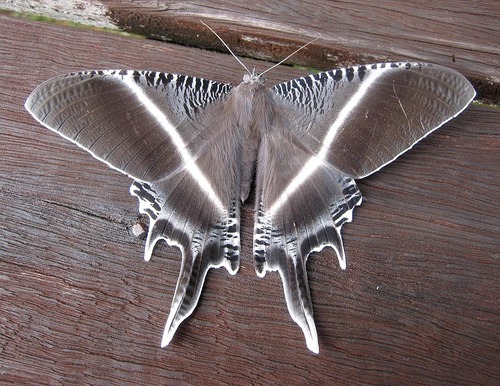
How to identify Lyssa menoetius (Hopffer, 1856)

Lyssa menoetius (Hopffer, 1856)

Lyssa menoetius (Hopffer, 1856)

Lyssa menoetius is a uraniid moth native to Southeast Asia that feeds on two Omp…

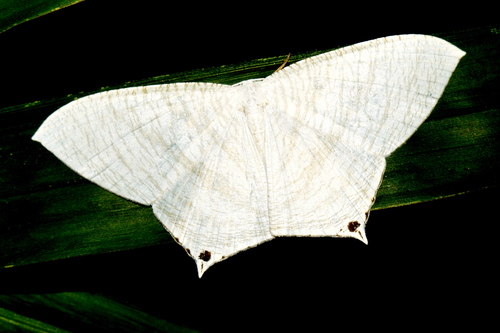
How to identify Pseudomicronia advocataria (Walker, 1861)

Pseudomicronia advocataria (Walker, 1861)

Pseudomicronia advocataria (Walker, 1861)

Pseudomicronia advocataria is a white uraniid moth with black markings, distribu…

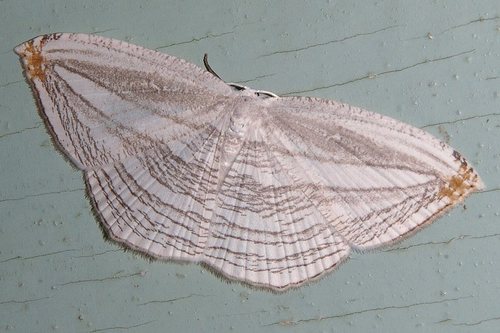
How to identify Acropteris ciniferaria (Walker, 1866)

Acropteris ciniferaria (Walker, 1866)

Acropteris ciniferaria (Walker, 1866)

Acropteris ciniferaria is a moth species with white-creamy wings, green caterpil…

How to identify Phazaca theclata Guenée, 1852

Phazaca theclata Guenée, 1852

Phazaca theclata Guenée, 1852

Phazaca theclata Guenée, 1852 is a moth species with described morphology and kn…

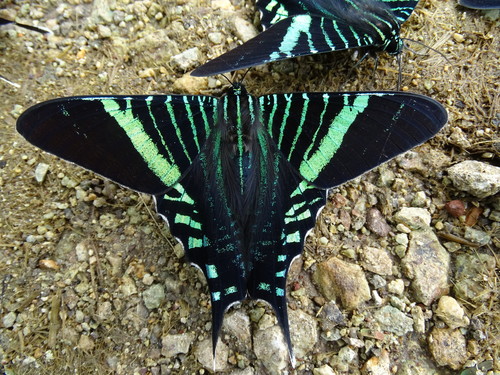
How to identify Lyssa zampa (Butler, 1869)

Lyssa zampa (Butler, 1869)

Lyssa zampa (Butler, 1869)

Lyssa zampa is a large uraniid moth native to tropical South and East Asia, know…

How to identify Urania fulgens Walker, 1854

Urania fulgens Walker, 1854

Urania fulgens Walker, 1854

Urania fulgens is a day-flying migratory moth of the Uraniidae family native to …

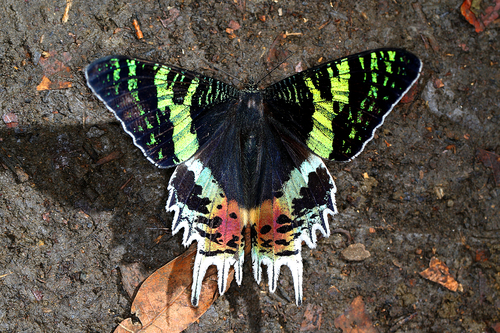
How to identify Chrysiridia rhipheus Drury, 1773

Chrysiridia rhipheus Drury, 1773

Chrysiridia rhipheus Drury, 1773

Chrysiridia rhipheus, the Madagascar-endemic sunset moth, is a uraniine moth oft…

How to identify Micronia aculeata Guenée, 1857

Micronia aculeata Guenée, 1857

Micronia aculeata Guenée, 1857

Micronia aculeata Guenée, 1857 is a moth with a 42–50 mm wingspan and distinctiv…

Browse all 28 Uraniidae species →

Frequently Asked Questions

How do you identify Uraniidae?

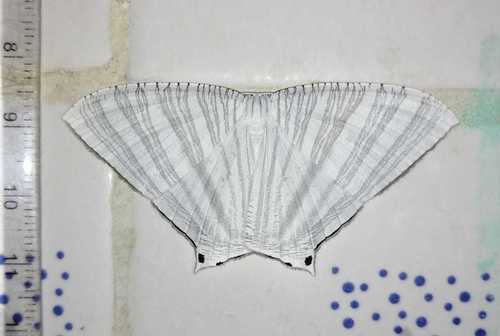
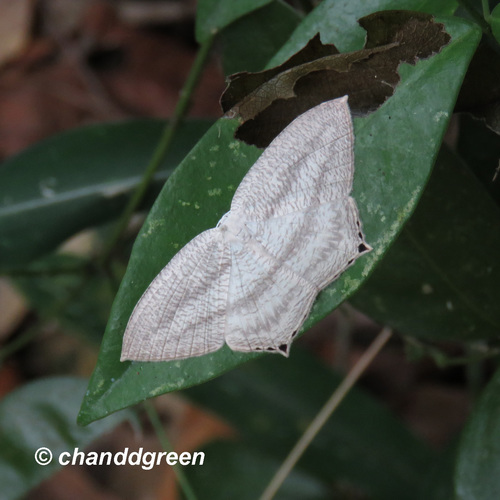
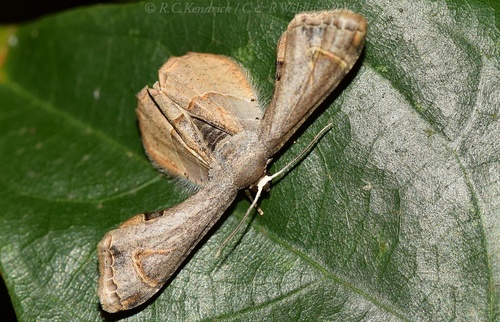
Uraniidae animals belong to the Lepidoptera order in the Animalia kingdom. The angle of the hindwing is characterized by a black fleck, with smaller flecks on either side. For instant identification, use the iNature app — AI-powered and works offline.

What are the key characteristics of Uraniidae?

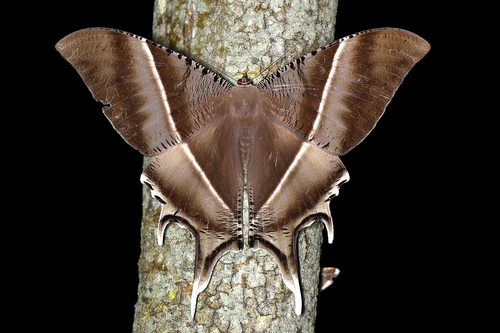
Uraniidae is classified in the order Lepidoptera, class Insecta, phylum Arthropoda. Lyssa zampa is known for its mass emergence and migration behavior.

Sources: GBIF, iNaturalist, Wikipedia · Disclaimer

Start Exploring Nature Today

Download iNature for free. 10 identifications on us. No account needed. No credit card required.

Download Free on App Store