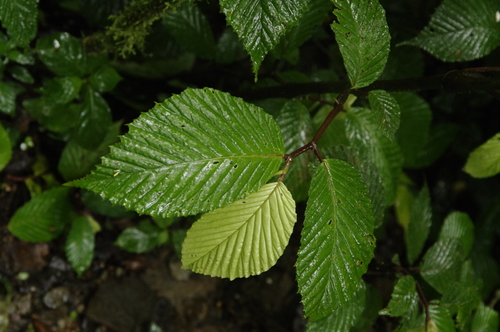
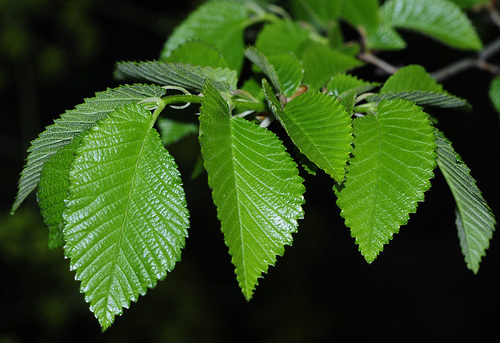
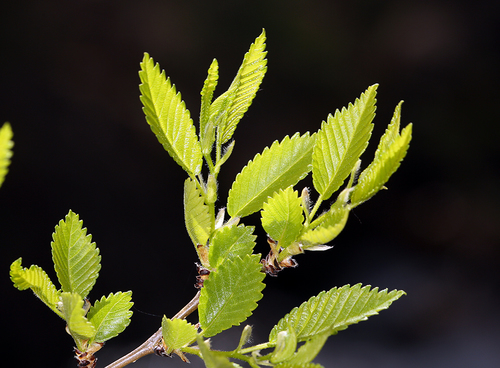
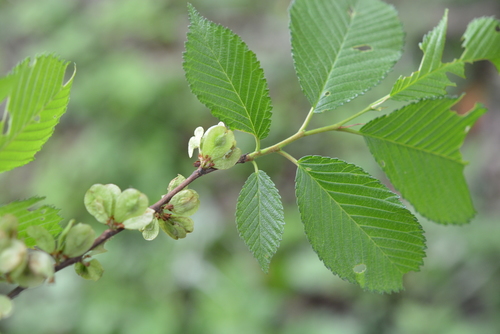
Key Identification Features
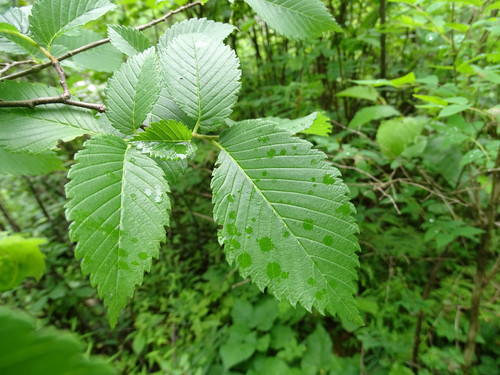
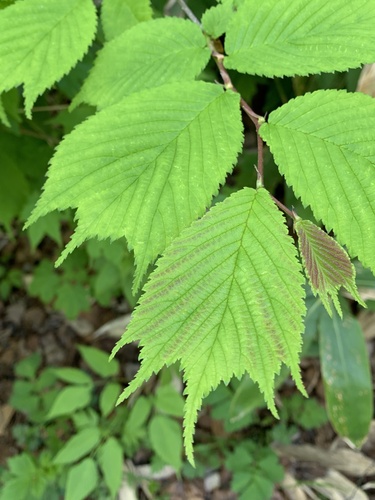
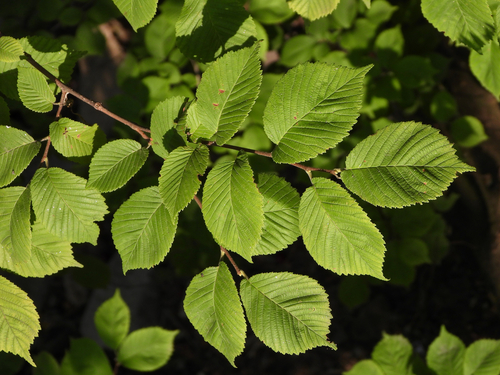
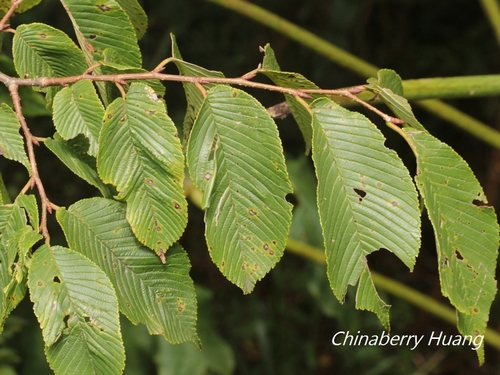
- As suggested by both its common and scientific names, winged elm is most easily identified by the very broad, thin pair of corky wings that develop along its branchlets after a couple of years.
- Its hard timber is considered no more distinctive than that of other American elms, and its small common tree size limits its usefulness.
- Its extensive shallow root system eventually forms distinctive high buttresses around the trunk base.
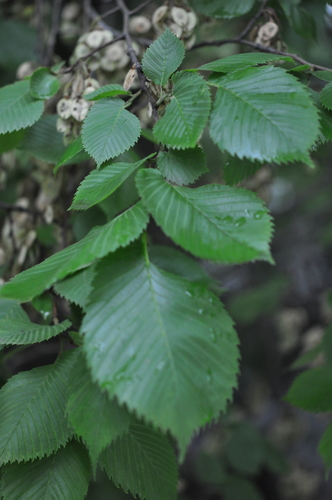
- Its apetalous, wind-pollinated flowers are distinctively cream-coloured; they appear before leaves in early spring in clusters of 15–30, and measure 3–4 mm across.
For instant identification in the field, use the iNature app — AI-powered, works offline.