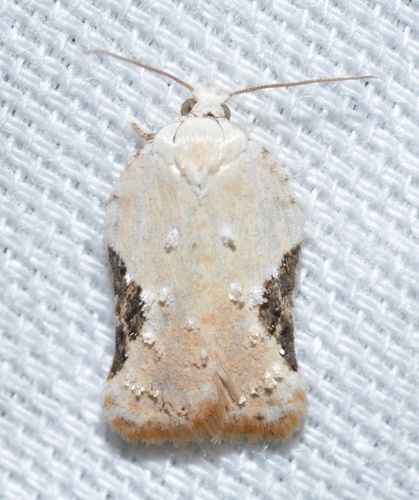
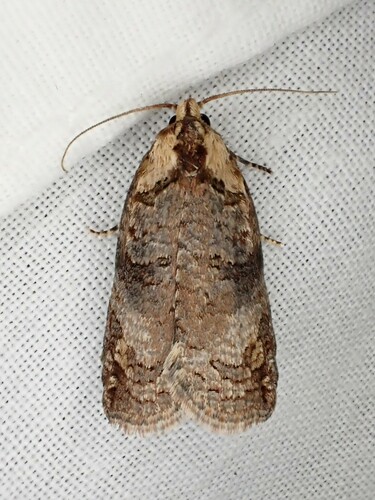
How to Identify Tortricidae

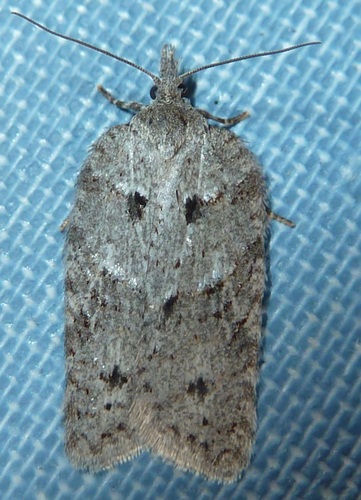
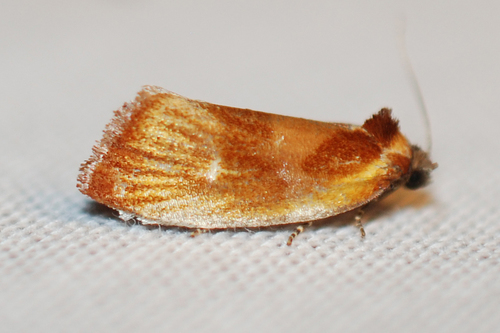
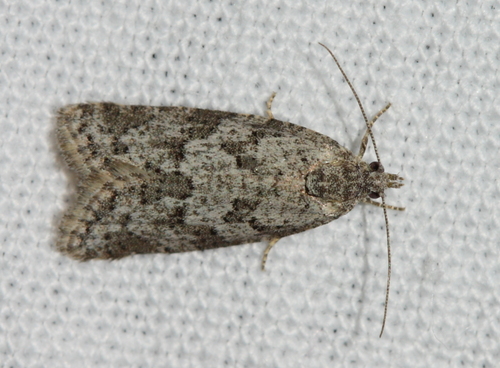
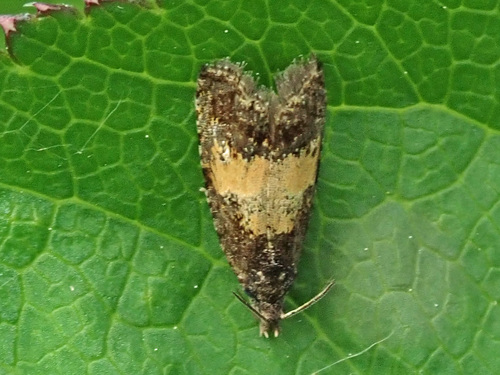
Tortricidae is a animal family in the Animalia kingdom, order Lepidoptera, class Insecta. The family contains 570 accepted species worldwide.

Key Identification Features

For instant identification in the field, use the iNature app — AI-powered, works offline.
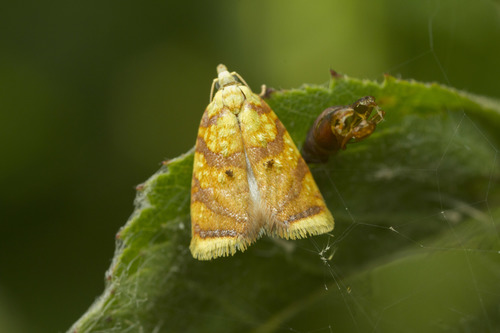
Representative Tortricidae Species

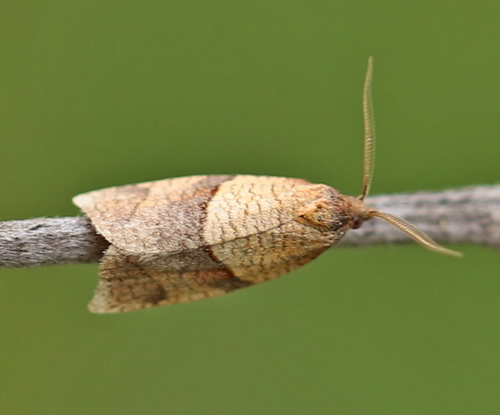
How to identify Acleris albicomana (Clemens, 1865)

Acleris albicomana (Clemens, 1865)

Acleris albicomana (Clemens, 1865)

Acleris albicomana, the red-edged acleris moth, is a Tortricidae moth found in N…

How to identify Orthotaenia undulana (Denis & Schiffermüller), 1775

Orthotaenia undulana (Denis & Schiffermüller), 1775

Orthotaenia undulana (Denis & Schiffermüller), 1775

Orthotaenia undulana is a Tortricidae moth found in the Palearctic realm, with l…

How to identify Philedone gerningana (Denis & Schiffermüller), 1775

Philedone gerningana (Denis & Schiffermüller), 1775

Philedone gerningana (Denis & Schiffermüller), 1775

Philedone gerningana is a polyphagous moth found across most of Europe, the Near…

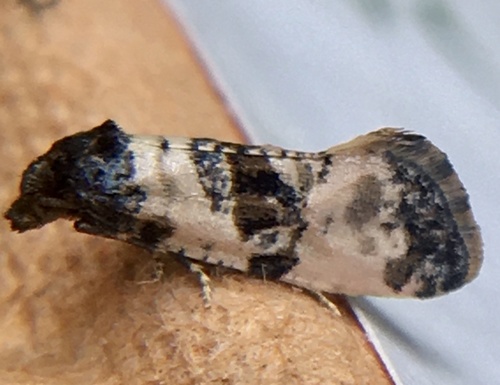
How to identify Cochylis atricapitana (Stephens, 1852)

Cochylis atricapitana (Stephens, 1852)

Cochylis atricapitana (Stephens, 1852)

Cochylichroa atricapitana, the black-headed conch, is a Tortricidae moth found a…

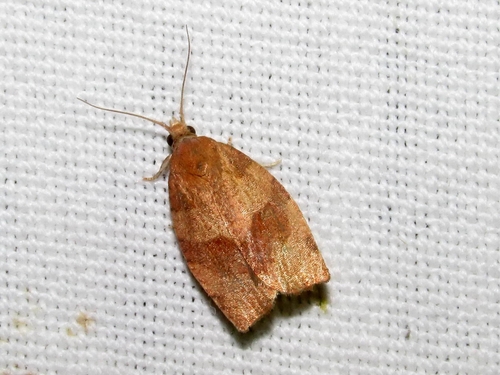
How to identify Pandemis heparana (Denis & Schiffermüller), 1775

Pandemis heparana (Denis & Schiffermüller), 1775

Pandemis heparana (Denis & Schiffermüller), 1775

Pandemis heparana is a moth species found across Europe, eastern Palearctic, Nea…

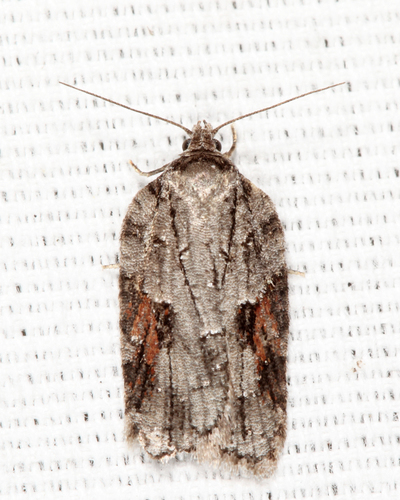
How to identify Acleris ptychogrammos (Zeller, 1875)

Acleris ptychogrammos (Zeller, 1875)

Acleris ptychogrammos (Zeller, 1875)

Acleris ptychogrammos is a North American tortricid moth whose larvae feed on Co…

How to identify Acleris maximana (Barnes & Busck, 1920)

Acleris maximana (Barnes & Busck, 1920)

Acleris maximana (Barnes & Busck, 1920)

Acleris maximana is a North American tortricid moth whose larvae feed on multipl…

How to identify Eulia ministrana (Linnaeus, 1758)

Eulia ministrana (Linnaeus, 1758)

Eulia ministrana (Linnaeus, 1758)

Eulia ministrana is a Tortricidae moth found in the Palearctic and Nearctic real…

How to identify Cnephasia cupressivorana (Staudinger, 1871)

Cnephasia cupressivorana (Staudinger, 1871)

Cnephasia cupressivorana (Staudinger, 1871)

Cnephasia cupressivorana is a tortricid moth found across parts of Europe and we…

How to identify Endothenia nigricostana (Haworth, 1811)

Endothenia nigricostana (Haworth, 1811)

Endothenia nigricostana (Haworth, 1811)

Endothenia nigricostana, the black-edged marble, is a species of Tortricidae mot…

How to identify Acleris subnivana (Walker, 1863)

Acleris subnivana (Walker, 1863)

Acleris subnivana (Walker, 1863)

Acleris subnivana, the common acleris, is a North American Tortricidae moth whos…

How to identify Cryptoptila australana (Lewin, 1805)

Cryptoptila australana (Lewin, 1805)

Cryptoptila australana (Lewin, 1805)

Cryptoptila australana is an Australian tortricid moth with a 30 mm wingspan who…

Browse all 570 Tortricidae species →

Frequently Asked Questions

How do you identify Tortricidae?

Tortricidae animals belong to the Lepidoptera order in the Animalia kingdom. It is very similar to Cochylis dubitana, but can be distinguished by its black head and black thorax. For instant identification, use the iNature app — AI-powered and works offline.

What are the key characteristics of Tortricidae?

Tortricidae is classified in the order Lepidoptera, class Insecta, phylum Arthropoda. The forewings feature a reticulate pattern, a dark brown basal fascia, dark brown transversal bands, two triangular spots, and brown fringes along the edge.

Sources: GBIF, iNaturalist, Wikipedia · Disclaimer

Start Exploring Nature Today

Download iNature for free. 10 identifications on us. No account needed. No credit card required.

Download Free on App Store