How to Identify Tineidae

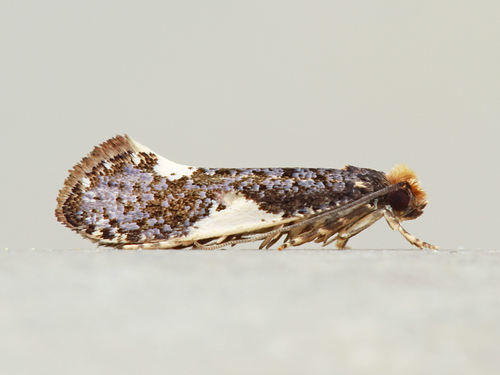
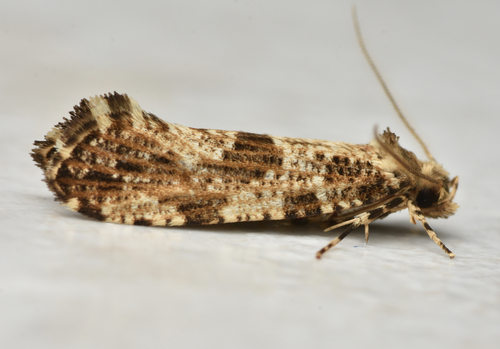
Tineidae is a animal family in the Animalia kingdom, order Lepidoptera, class Insecta. The family contains 93 accepted species worldwide.

Key Identification Features

For instant identification in the field, use the iNature app — AI-powered, works offline.
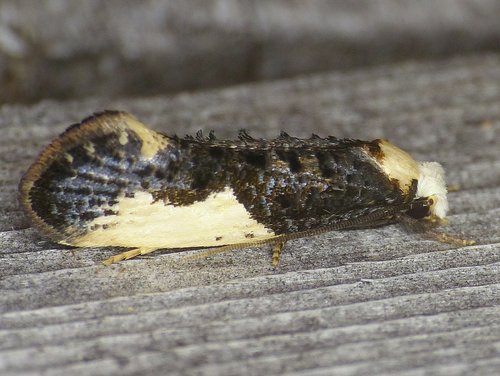
Representative Tineidae Species

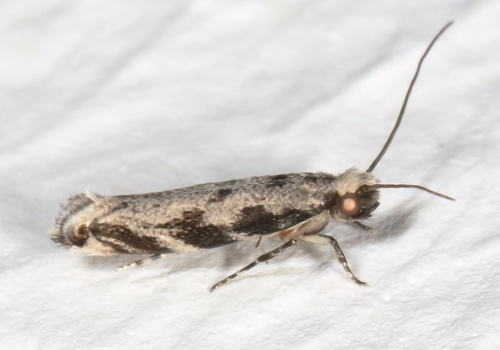
How to identify Monopis monachella (Hübner, 1796)

Monopis monachella (Hübner, 1796)

Monopis monachella (Hübner, 1796)

Monopis monachella is a widespread tineid moth whose larvae feed on animal remai…

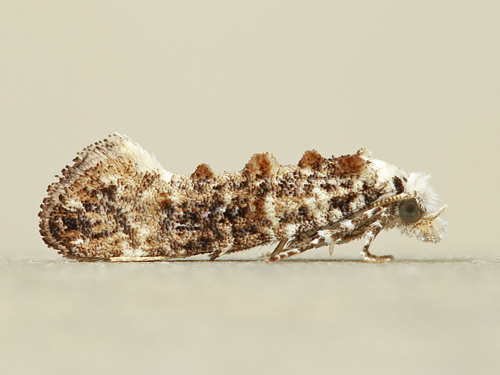
How to identify Erechthias zebrina (Butler, 1881)

Erechthias zebrina (Butler, 1881)

Erechthias zebrina (Butler, 1881)

Erechthias zebrina is a widespread fungus moth first described in 1881 from Hawa…

How to identify Dyotopasta yumaella (Kearfott, 1907)

Dyotopasta yumaella (Kearfott, 1907)

Dyotopasta yumaella (Kearfott, 1907)

Dyotopasta yumaella is the only moth species in the Tineidae genus Dyotopasta, f…

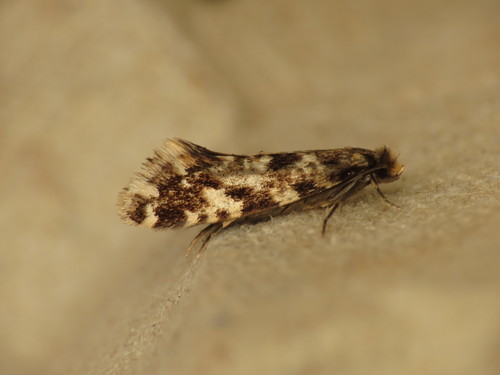
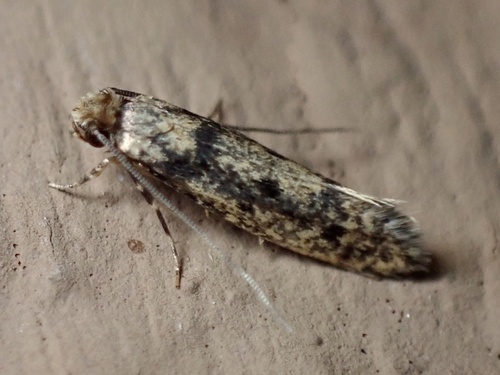
How to identify Nemapogon cloacella (Haworth, 1828)

Nemapogon cloacella (Haworth, 1828)

Nemapogon cloacella (Haworth, 1828)

Nemapogon cloacella is a small mottled moth widespread across the western Palear…

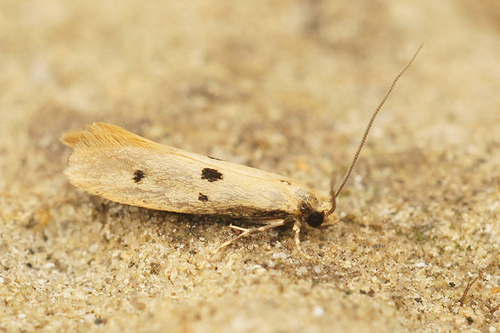
How to identify Tinea trinotella Thunberg, 1794

Tinea trinotella Thunberg, 1794

Tinea trinotella Thunberg, 1794

Tinea trinotella is a small moth common across much of the western Palearctic wh…

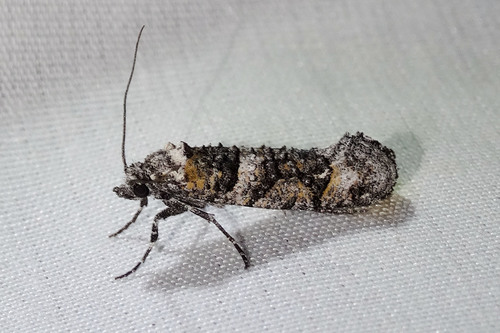
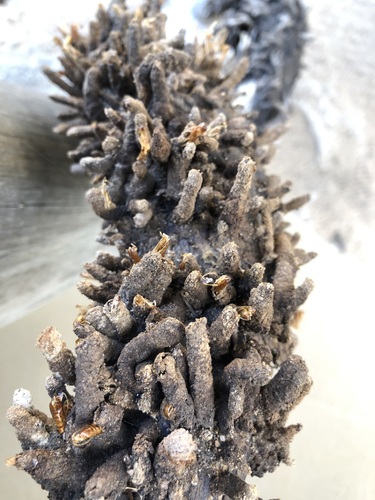
How to identify Ceratophaga vastellus (Zeller, 1852)

Ceratophaga vastellus (Zeller, 1852)

Ceratophaga vastellus (Zeller, 1852)

Ceratophaga vastellus, the horn moth, is an Afrotropical tineid moth whose larva…

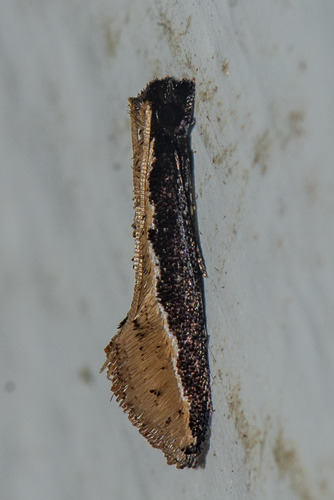
How to identify Xylesthia pruniramiella Clemens, 1859

Xylesthia pruniramiella Clemens, 1859

Xylesthia pruniramiella Clemens, 1859

Xylesthia pruniramiella, or Clemens' bark moth, is a tineid moth found in North …

How to identify Pyloetis mimosae (Stainton, 1859)

Pyloetis mimosae (Stainton, 1859)

Pyloetis mimosae (Stainton, 1859)

Pyloetis mimosae is the only species in the tineid moth genus Pyloetis, found in…

How to identify Niditinea fuscella (Linnaeus, 1758)

Niditinea fuscella (Linnaeus, 1758)

Niditinea fuscella (Linnaeus, 1758)

Niditinea fuscella, the brown-dotted clothes moth, is a small widespread tineid …

How to identify Scardia boletella (Fabricius, 1794)

Scardia boletella (Fabricius, 1794)

Scardia boletella (Fabricius, 1794)

Scardia boletella is a Europe-native moth in the Tineidae family, first describe…

How to identify Monopis spilotella (Tengström, 1848)

Monopis spilotella (Tengström, 1848)

Monopis spilotella (Tengström, 1848)

Monopis spilotella is a Tineidae moth species found across parts of Eurasia and …

How to identify Morophaga choragella (Denis & Schiff., 1775)

Morophaga choragella (Denis & Schiff., 1775)

Morophaga choragella (Denis & Schiff., 1775)

Morophaga choragella is a brown-speckled moth with 18–32 mm wingspan, described …

Browse all 93 Tineidae species →

Frequently Asked Questions

How do you identify Tineidae?

Tineidae animals belong to the Lepidoptera order in the Animalia kingdom. Its forewings are an even greyish buff with a golden tone, and have three distinct, sharply defined black spots: one large, one medium, and one small. For instant identification, use the iNature app — AI-powered and works offline.

What are the key characteristics of Tineidae?

Tineidae is classified in the order Lepidoptera, class Insecta, phylum Arthropoda. It is best known for its larvae’s ability to feed on keratin from the horns and hooves of dead ungulates; larvae occasionally also feed on dried fruit or mushrooms.

Sources: GBIF, iNaturalist, Wikipedia · Disclaimer

Start Exploring Nature Today

Download iNature for free. 10 identifications on us. No account needed. No credit card required.

Download Free on App Store