How to Identify Theraphosidae

Theraphosidae is a animal family in the Animalia kingdom, order Araneae, class Arachnida. The family contains 88 accepted species worldwide.

Key Identification Features

For instant identification in the field, use the iNature app — AI-powered, works offline.
Representative Theraphosidae Species

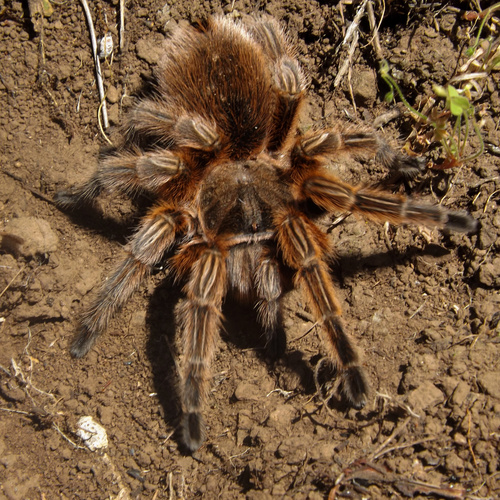
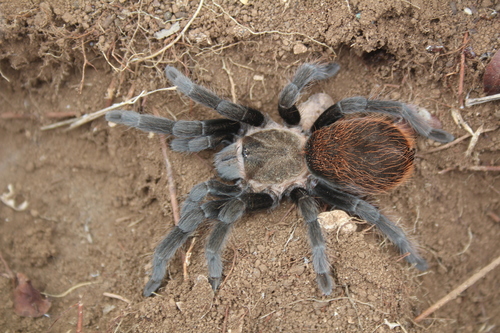
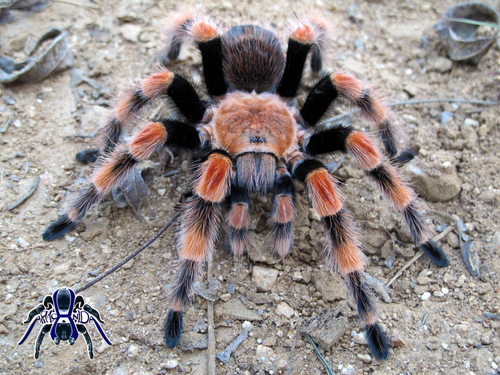
How to identify Brachypelma smithi (F.O.Pickard-Cambridge, 1897)

Brachypelma smithi (F.O.Pickard-Cambridge, 1897)

Brachypelma smithi (F.O.Pickard-Cambridge, 1897)

Brachypelma smithi is a large tarantula species from Guerrero, Mexico that lives…

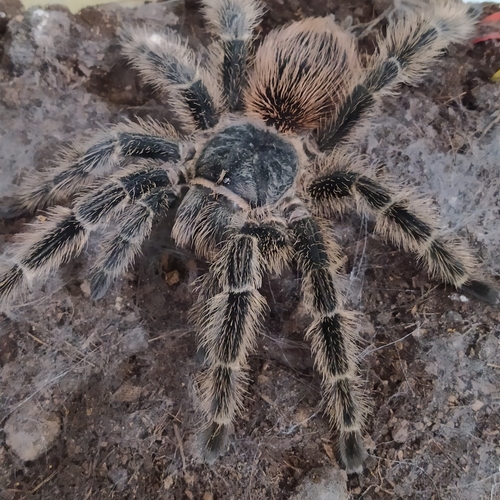
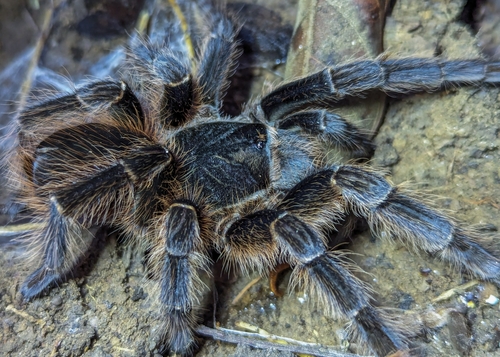
How to identify Grammostola rosea (Walckenaer, 1837)

Grammostola rosea (Walckenaer, 1837)

Grammostola rosea (Walckenaer, 1837)

Grammostola rosea, the Chilean rose tarantula, is the most common tarantula kept…

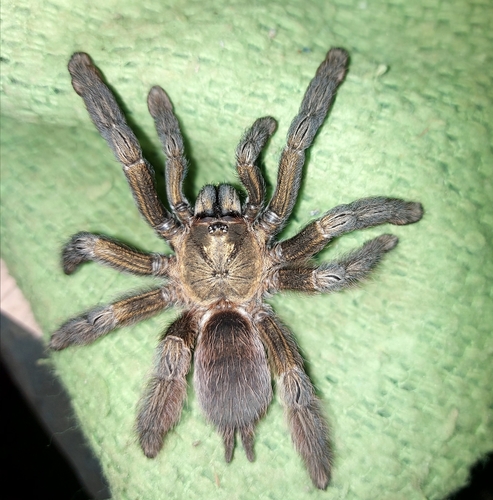
How to identify Psalmopoeus reduncus (Karsch, 1880)

Psalmopoeus reduncus (Karsch, 1880)

Psalmopoeus reduncus (Karsch, 1880)

Psalmopoeus reduncus is a tarantula with differing lifespans between sexes, colo…

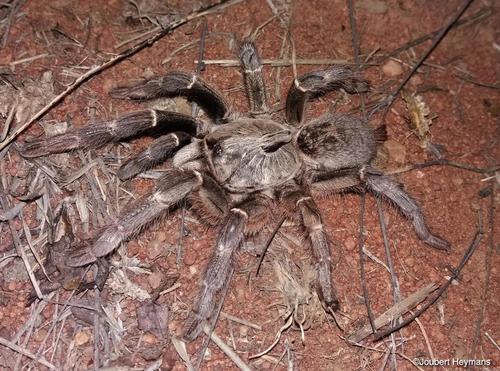
How to identify Ceratogyrus darlingi Pocock, 1897

Ceratogyrus darlingi Pocock, 1897

Ceratogyrus darlingi Pocock, 1897

Ceratogyrus darlingi is a theraphosid spider from southern Africa, known by comm…

How to identify Lasiodora subcanens Mello-Leitão, 1921

Lasiodora subcanens Mello-Leitão, 1921

Lasiodora subcanens Mello-Leitão, 1921

Lasiodora subcanens is a greyish-haired tarantula species endemic to Brazil.

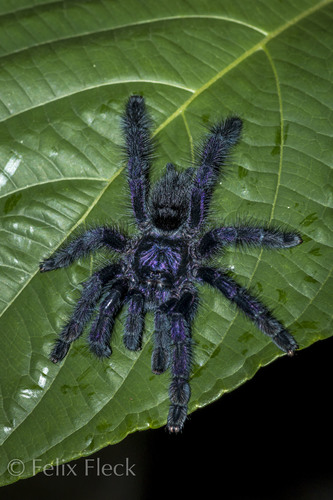
How to identify Avicularia purpurea Kirk, 1990

Avicularia purpurea Kirk, 1990

Avicularia purpurea Kirk, 1990

Avicularia purpurea is an iridescent purple-blue tarantula species native to Ecu…

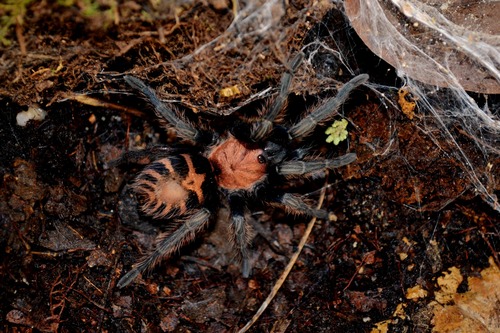
How to identify Tliltocatl epicureanus (Chamberlin, 1925)

Tliltocatl epicureanus (Chamberlin, 1925)

Tliltocatl epicureanus (Chamberlin, 1925)

Tliltocatl epicureanus is a tarantula found in forest habitats of south-eastern …

How to identify Acanthoscurria paulensis Mello-Leitão, 1923

Acanthoscurria paulensis Mello-Leitão, 1923

Acanthoscurria paulensis Mello-Leitão, 1923

Acanthoscurria paulensis is a tarantula species native to the Brazilian states o…

How to identify Davus pentaloris (Simon, 1888)

Davus pentaloris (Simon, 1888)

Davus pentaloris (Simon, 1888)

Davus pentaloris is a spider with copper-toned features, urticating abdominal ha…

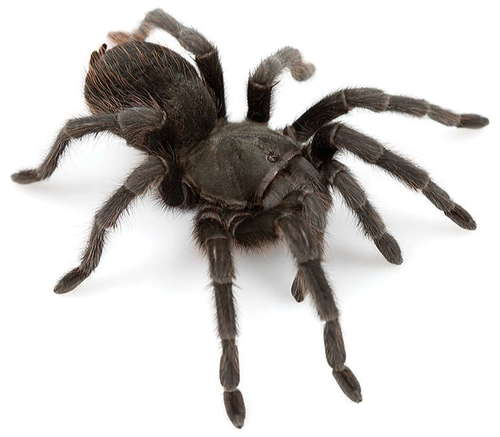
How to identify Aphonopelma steindachneri (Ausserer, 1875)

Aphonopelma steindachneri (Ausserer, 1875)

Aphonopelma steindachneri (Ausserer, 1875)

Steindachner's ebony tarantula is a New World terrestrial tarantula found in ari…

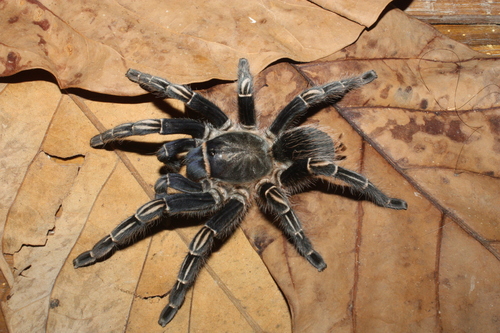
How to identify Aphonopelma seemanni (F.O.Pickard-Cambridge, 1897)

Aphonopelma seemanni (F.O.Pickard-Cambridge, 1897)

Aphonopelma seemanni (F.O.Pickard-Cambridge, 1897)

Aphonopelma seemanni, the Costa Rican zebra tarantula, is a burrowing Central Am…

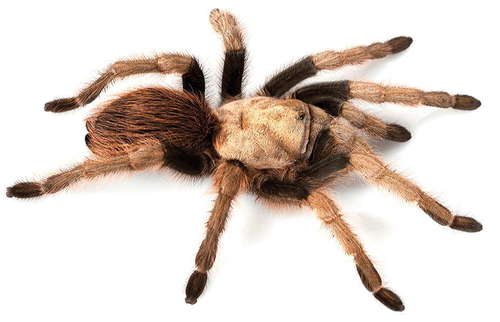
How to identify Aphonopelma chalcodes Chamberlin, 1940

Aphonopelma chalcodes Chamberlin, 1940

Aphonopelma chalcodes Chamberlin, 1940

Aphonopelma chalcodes, the western desert tarantula, is a large burrowing southw…

Browse all 88 Theraphosidae species →

Frequently Asked Questions

How do you identify Theraphosidae?

Theraphosidae animals belong to the Araneae order in the Animalia kingdom. Burrows are typically located in or not far from vegetation, and feature a single entrance connected to a tunnel that leads to one or two chambers. For instant identification, use the iNature app — AI-powered and works offline.

What are the key characteristics of Theraphosidae?

Theraphosidae is classified in the order Araneae, class Arachnida, phylum Arthropoda. rosea has two distinct mating seasons: one from September through March, and another from May through July.

Sources: GBIF, iNaturalist, Wikipedia · Disclaimer

Start Exploring Nature Today

Download iNature for free. 10 identifications on us. No account needed. No credit card required.

Download Free on App Store