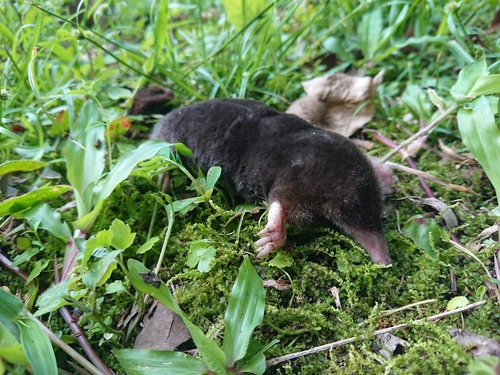
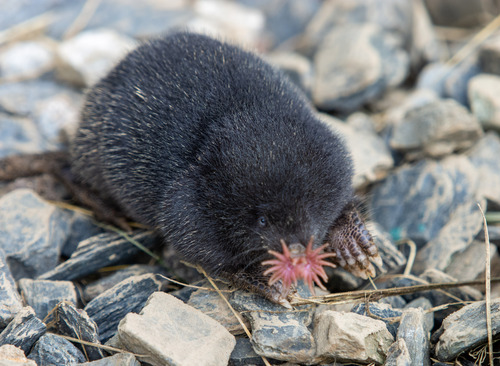
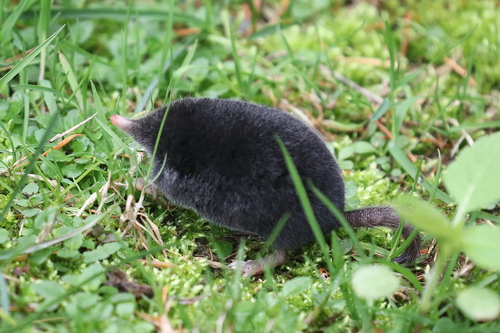
How to Identify Talpidae

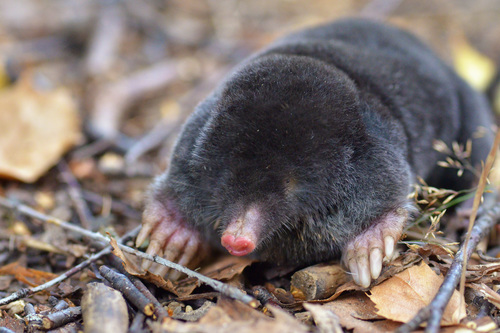
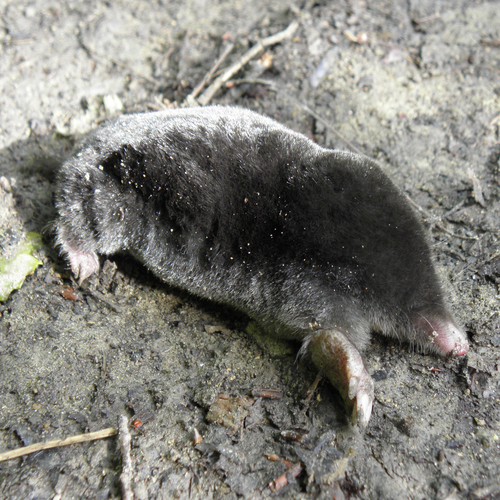
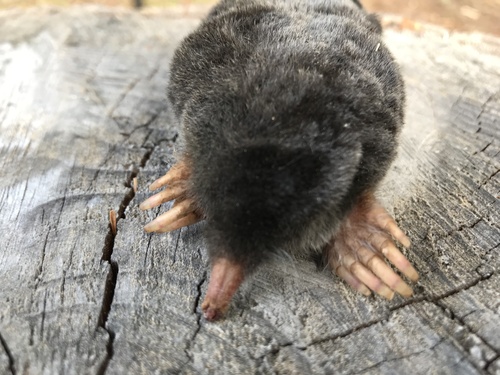
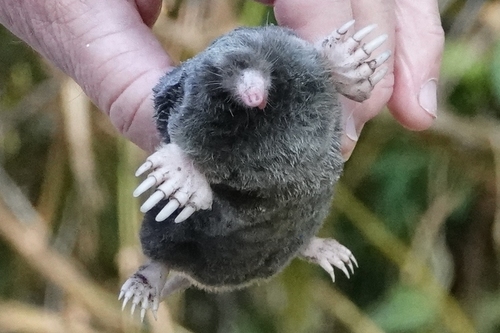
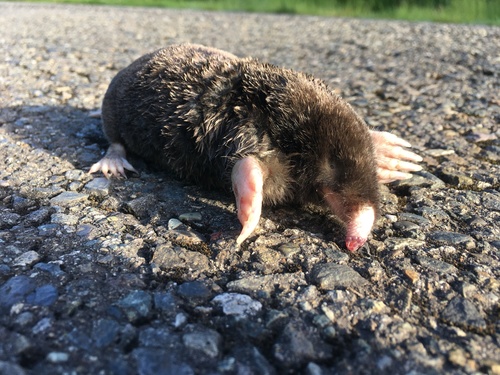
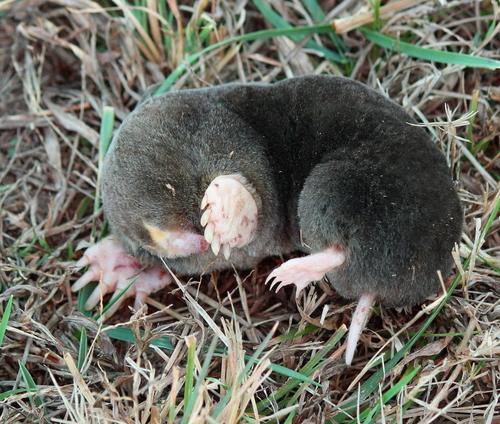
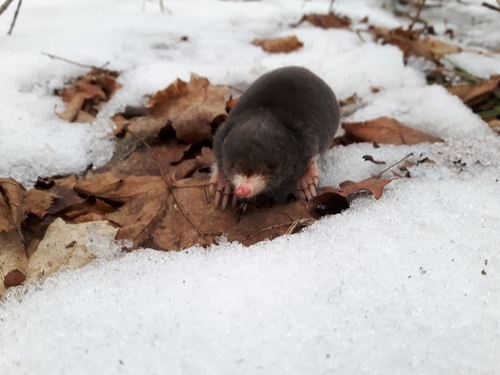
Talpidae is a animal family in the Animalia kingdom, order Soricomorpha, class Mammalia. The family contains 12 accepted species worldwide.

Key Identification Features

For instant identification in the field, use the iNature app — AI-powered, works offline.
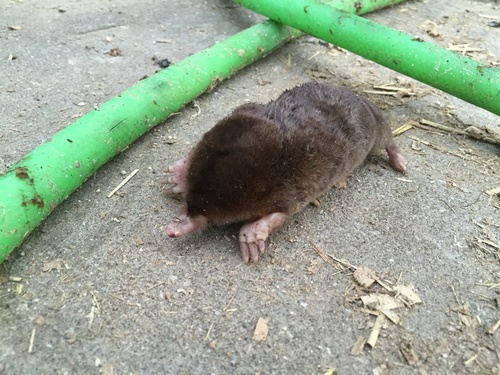
Representative Talpidae Species

How to identify Mogera wogura robusta Nehring, 1891

Mogera wogura robusta Nehring, 1891

Mogera wogura robusta Nehring, 1891

Mogera wogura robusta is a subspecies of the Japanese (Temminck's) mole, a solit…

How to identify Talpa europaea Linnaeus, 1758

Talpa europaea Linnaeus, 1758

Talpa europaea Linnaeus, 1758

Talpa europaea (European mole) is a small subterranean mammal found across Europ…

How to identify Talpa aquitania Nicolas, Martinez-Vargas & Hugot, 2017

Talpa aquitania Nicolas, Martinez-Vargas & Hugot, 2017

Talpa aquitania Nicolas, Martinez-Vargas & Hugot, 2017

Talpa aquitania, the Aquitanian mole, is a mole species found from southwestern …

How to identify Scapanus latimanus (Bachman, 1842)

Scapanus latimanus (Bachman, 1842)

Scapanus latimanus (Bachman, 1842)

Scapanus latimanus, the broad-footed mole, is a fossorial mammal with distinct p…

How to identify Talpa occidentalis Cabrera, 1907

Talpa occidentalis Cabrera, 1907

Talpa occidentalis Cabrera, 1907

Talpa occidentalis is a mole species found in the Iberian Peninsula, noted for u…

How to identify Scapanus orarius True, 1896

Scapanus orarius True, 1896

Scapanus orarius True, 1896

Scapanus orarius, the coast mole, is a fossorial North American mole with define…

How to identify Scapanus townsendii (Bachman, 1839)

Scapanus townsendii (Bachman, 1839)

Scapanus townsendii (Bachman, 1839)

Scapanus townsendii is a mole species found along the Pacific coast from British…

How to identify Scalopus aquaticus (Linnaeus, 1758)

Scalopus aquaticus (Linnaeus, 1758)

Scalopus aquaticus (Linnaeus, 1758)

Scalopus aquaticus, the eastern mole, is a small burrowing mammal with limited C…

How to identify Parascalops breweri (Bachman, 1842)

Parascalops breweri (Bachman, 1842)

Parascalops breweri (Bachman, 1842)

Parascalops breweri, the hairy-tailed or Brewer's mole, is the only species in i…

How to identify Mogera insularis (Swinhoe, 1863)

Mogera insularis (Swinhoe, 1863)

Mogera insularis (Swinhoe, 1863)

Mogera insularis is a mole distinguished from other Talpinae by its 32 chromosom…

How to identify Condylura cristata (Linnaeus, 1758)

Condylura cristata (Linnaeus, 1758)

Condylura cristata (Linnaeus, 1758)

The star-nosed mole is a small semiaquatic North American mole with a distinctiv…

How to identify Neurotrichus gibbsii (Baird, 1858)

Neurotrichus gibbsii (Baird, 1858)

Neurotrichus gibbsii (Baird, 1858)

Neurotrichus gibbsii, the smallest American mole, is a fossorial shrew-mole nati…

Browse all 12 Talpidae species →

Frequently Asked Questions

How do you identify Talpidae?

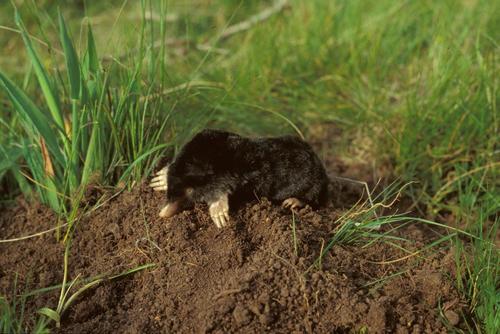
Talpidae animals belong to the Soricomorpha order in the Animalia kingdom. Earth pushed out through these shafts forms distinct volcano-shaped mounds, with older earth located toward the outer base and newer earth toward the core. For instant identification, use the iNature app — AI-powered and works offline.

What are the key characteristics of Talpidae?

Talpidae is classified in the order Soricomorpha, class Mammalia, phylum Chordata. Because the star-nosed mole is functionally blind, scientists long suspected its distinctive snout evolved to detect electrical activity from prey animals.

Sources: GBIF, iNaturalist, Wikipedia · Disclaimer

Start Exploring Nature Today

Download iNature for free. 10 identifications on us. No account needed. No credit card required.

Download Free on App Store