Key Identification Features
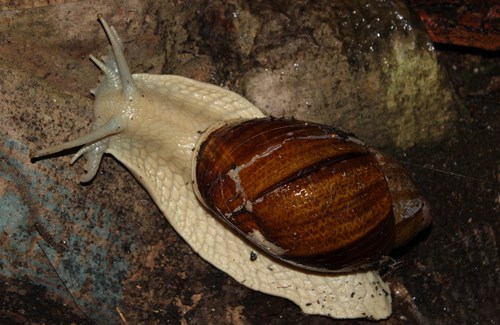
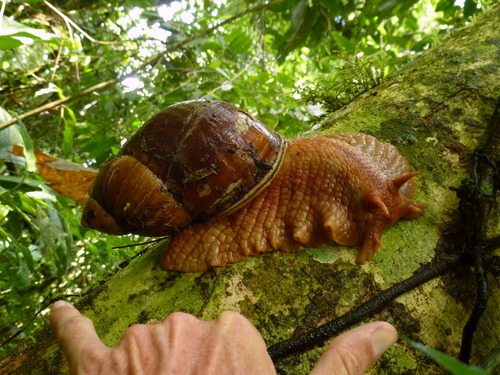
- It was recognized as a distinct species due to its unique morphological and anatomical traits, particularly in its shell and reproductive system.
- Anatomically, the species is distinguished by a long convoluted penis with two flagella, as well as unique radular and jaw structures.
- These studies found that oviposition (egg-laying) is seasonal, occurring in two distinct periods: a longer season from April to May, and a shorter season between September and November.
- It is sculpted with strong, narrow radial riblets; these riblets become less distinct toward the lower suture on the fourth whorl.
For instant identification in the field, use the iNature app — AI-powered, works offline.