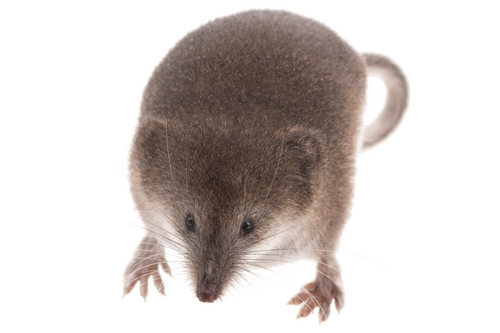
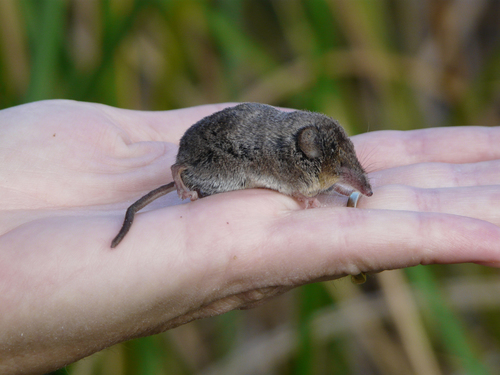
Key Identification Features
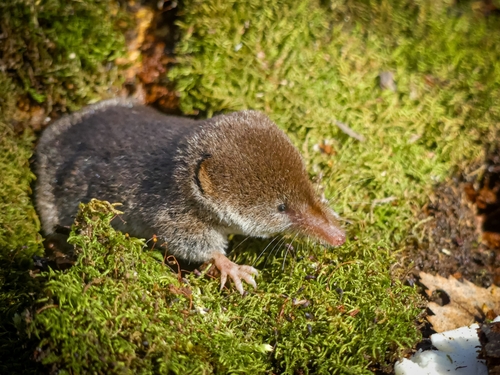
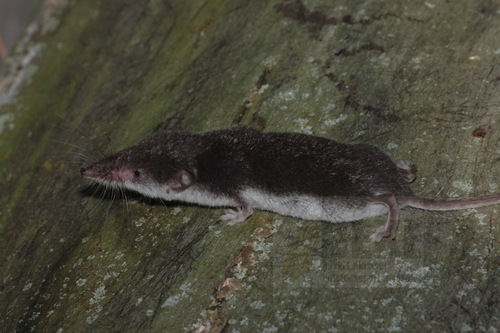
- The belly, throat, jaw, area around the eyes, and lower portion of the tail are distinctly contrasting whitish.
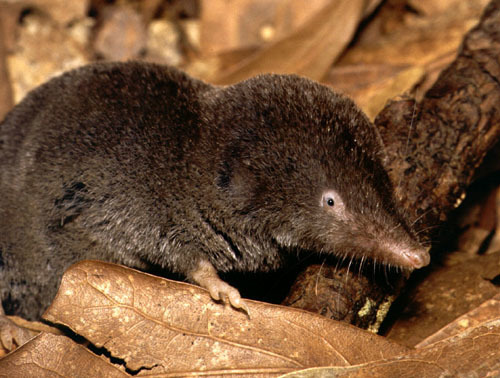
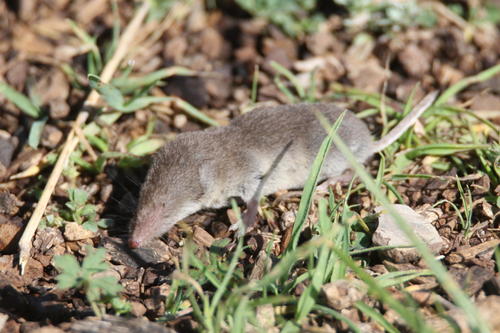
- Physical description: The greater white-toothed shrew (Crocidura russula) can be distinguished by examining its unpigmented teeth.
- Reproduction: The greater white-toothed shrew usually has only one breeding season over its entire lifetime, and fertilization occurs immediately after parturition.
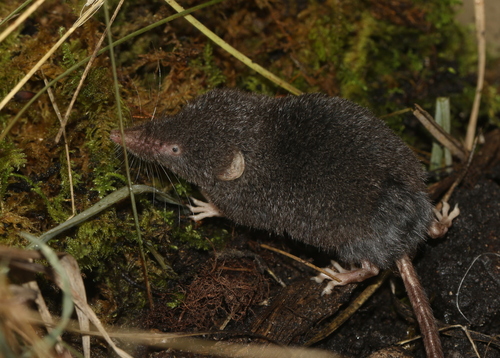
- They are most reliably distinguished from Trowbridge's shrew by examining fine details of skull shape, though adult Trowbridge's shrews also tend to have a more distinctly pale underside to the tail.
For instant identification in the field, use the iNature app — AI-powered, works offline.