How to Identify Sesiidae

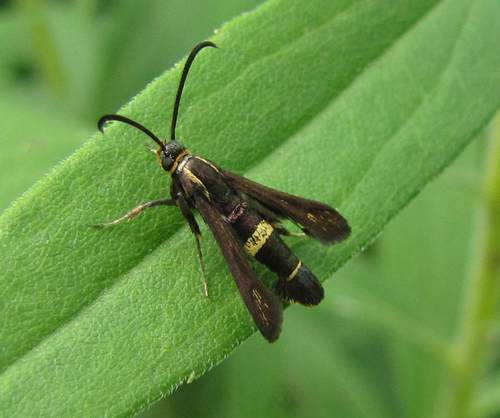
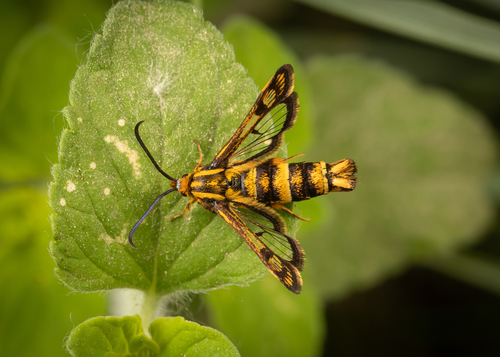
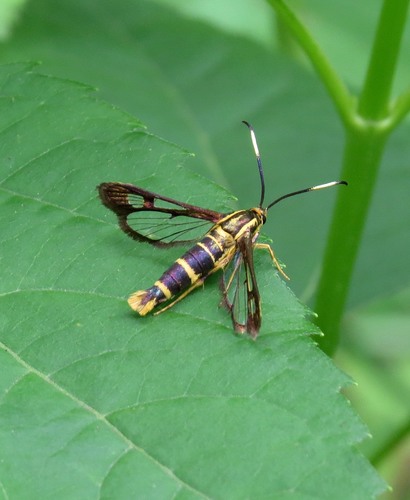
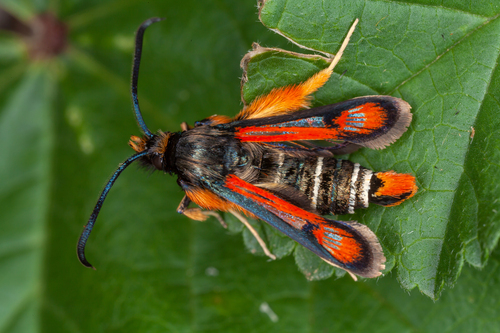
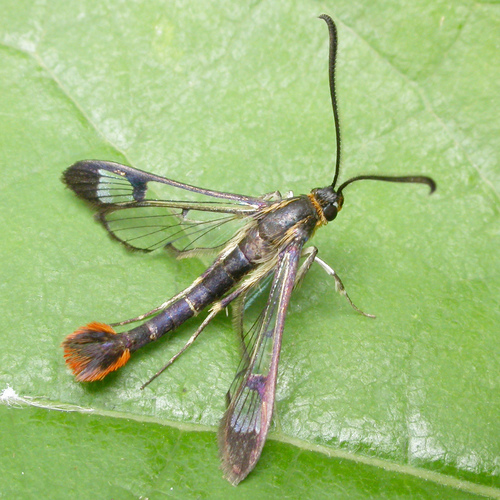
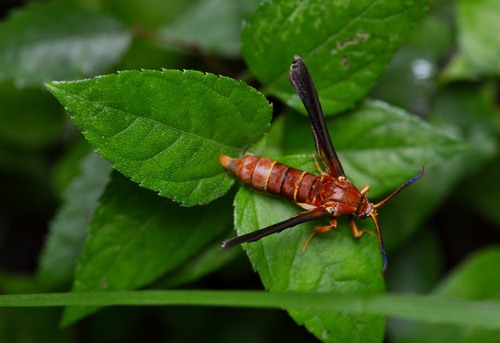
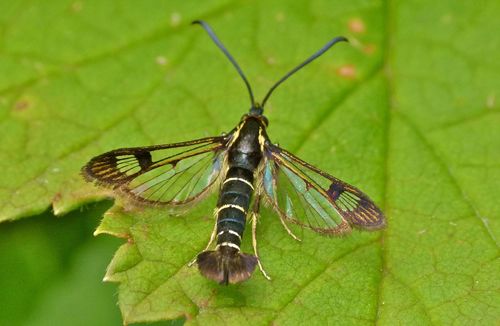
Sesiidae is a animal family in the Animalia kingdom, order Lepidoptera, class Insecta. The family contains 53 accepted species worldwide.

Key Identification Features

For instant identification in the field, use the iNature app — AI-powered, works offline.
Representative Sesiidae Species

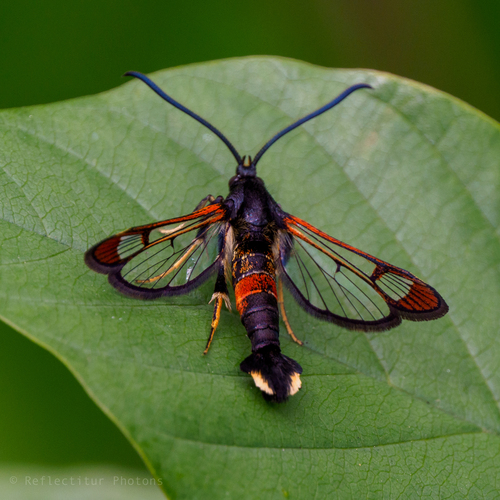
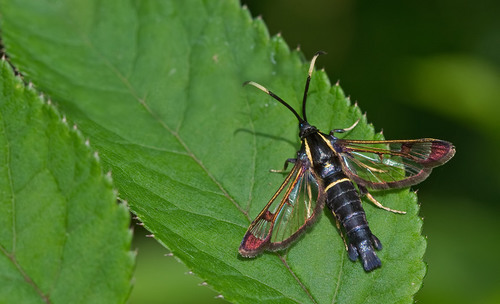
How to identify Synanthedon spheciformis (Denis & Schiffermüller), 1775

Synanthedon spheciformis (Denis & Schiffermüller), 1775

Synanthedon spheciformis (Denis & Schiffermüller), 1775

Synanthedon spheciformis, the white-barred clearwing, is a sesiid moth found in …

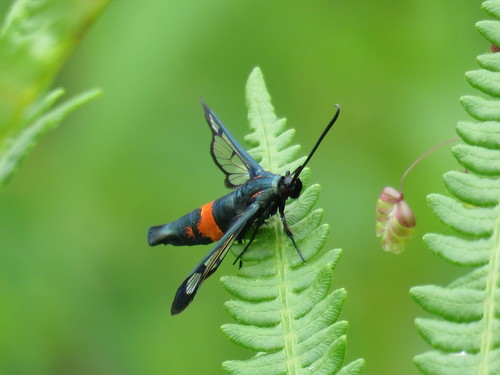
How to identify Synanthedon formicaeformis (Esper, 1783)

Synanthedon formicaeformis (Esper, 1783)

Synanthedon formicaeformis (Esper, 1783)

Synanthedon formicaeformis is a clearwing moth that develops in willow stems, ac…

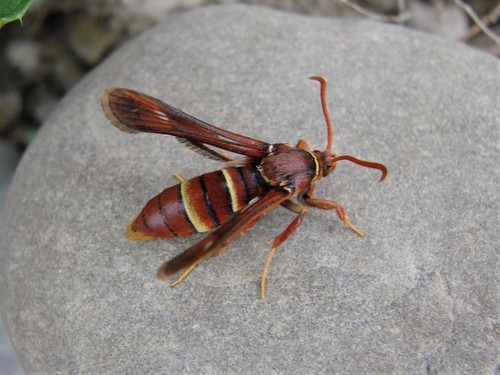
How to identify Paranthrene robiniae (Edwards, 1880)

Paranthrene robiniae (Edwards, 1880)

Paranthrene robiniae (Edwards, 1880)

Paranthrene robiniae, the western poplar clearwing, is a sesiid moth found acros…

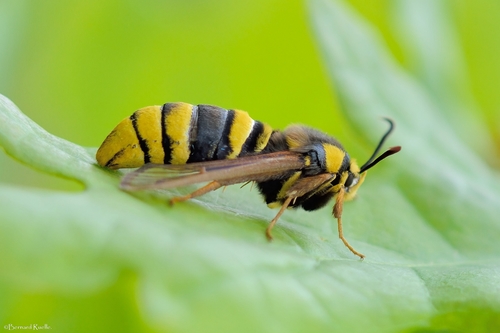
How to identify Sesia apiformis (Clerck, 1759)

Sesia apiformis (Clerck, 1759)

Sesia apiformis (Clerck, 1759)

Sesia apiformis, the hornet moth, is a large Batesian mimetic moth linked to Eur…

How to identify Synanthedon stomoxiformis (Hübner, 1790)

Synanthedon stomoxiformis (Hübner, 1790)

Synanthedon stomoxiformis (Hübner, 1790)

Synanthedon stomoxiformis is a sesiid moth found in parts of Europe and the Midd…

How to identify Carmenta pyralidiformis (Walker, 1856)

Carmenta pyralidiformis (Walker, 1856)

Carmenta pyralidiformis (Walker, 1856)

The boneset borer Carmenta pyralidiformis is a sesiid moth found in the US, whos…

How to identify Chamaesphecia empiformis (Esper, 1783)

Chamaesphecia empiformis (Esper, 1783)

Chamaesphecia empiformis (Esper, 1783)

Chamaesphecia empiformis is a moth found in Europe that closely resembles a rela…

How to identify Carmenta bassiformis (Walker, 1856)

Carmenta bassiformis (Walker, 1856)

Carmenta bassiformis (Walker, 1856)

Carmenta bassiformis is a sesiid moth found in the US, whose larvae feed on iron…

How to identify Pyropteron chrysidiforme (Esper, 1782)

Pyropteron chrysidiforme (Esper, 1782)

Pyropteron chrysidiforme (Esper, 1782)

The fiery clearwing Pyropteron chrysidiforme is a sesiid moth found in parts of …

How to identify Synanthedon acerrubri Engelhardt, 1925

Synanthedon acerrubri Engelhardt, 1925

Synanthedon acerrubri Engelhardt, 1925

Synanthedon acerrubri, the red maple borer, is a clearwing borer moth found in e…

How to identify Vitacea polistiformis (Harris, 1854)

Vitacea polistiformis (Harris, 1854)

Vitacea polistiformis (Harris, 1854)

Vitacea polistiformis, the grape root borer, is a sesiid moth found in parts of …

How to identify Synanthedon tipuliformis (Clerck, 1759)

Synanthedon tipuliformis (Clerck, 1759)

Synanthedon tipuliformis (Clerck, 1759)

Synanthedon tipuliformis is a moth species with transparent scaled wings and dis…

Browse all 53 Sesiidae species →

Frequently Asked Questions

How do you identify Sesiidae?

Sesiidae animals belong to the Lepidoptera order in the Animalia kingdom. The hind tufts are distinctly fan-shaped, blue-black overall, and clear yellowish-white along the sides. For instant identification, use the iNature app — AI-powered and works offline.

What are the key characteristics of Sesiidae?

Sesiidae is classified in the order Lepidoptera, class Insecta, phylum Arthropoda. Its distinct protective coloration is an example of Batesian mimicry: the moth’s close resemblance to a hornet makes it unappealing to predators.

Sources: GBIF, iNaturalist, Wikipedia · Disclaimer

Start Exploring Nature Today

Download iNature for free. 10 identifications on us. No account needed. No credit card required.

Download Free on App Store