How to Identify Serranidae

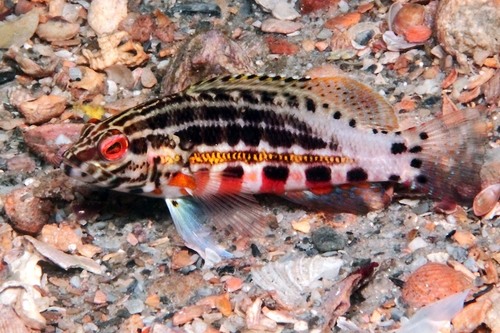
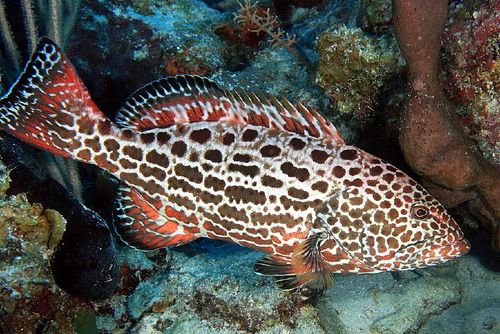
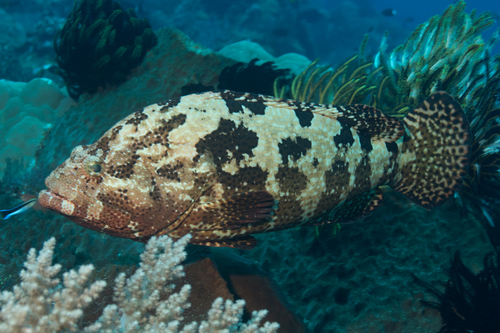
Serranidae is a animal family in the Animalia kingdom, order Perciformes, class . The family contains 122 accepted species worldwide.

Key Identification Features

For instant identification in the field, use the iNature app — AI-powered, works offline.
Representative Serranidae Species

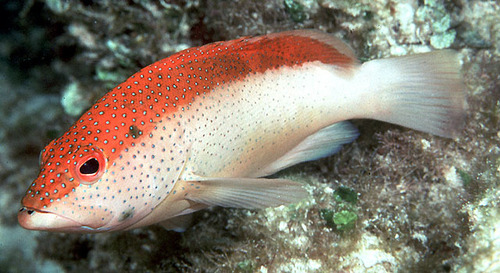
How to identify Cephalopholis cruentata (Lacepède, 1802)

Cephalopholis cruentata (Lacepède, 1802)

Cephalopholis cruentata (Lacepède, 1802)

Cephalopholis cruentata, the graysby, is a small reef-dwelling serranid fish fou…

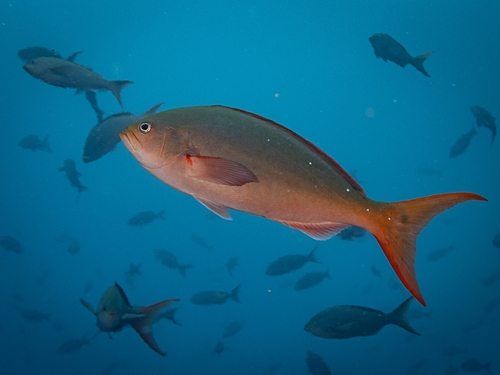
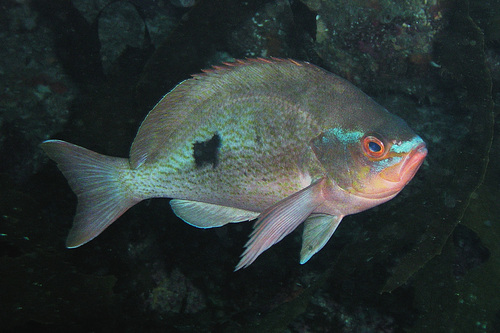
How to identify Paranthias colonus (Valenciennes, 1846)

Paranthias colonus (Valenciennes, 1846)

Paranthias colonus (Valenciennes, 1846)

Paranthias colonus, the Pacific creolefish, is a fish species found in the Easte…

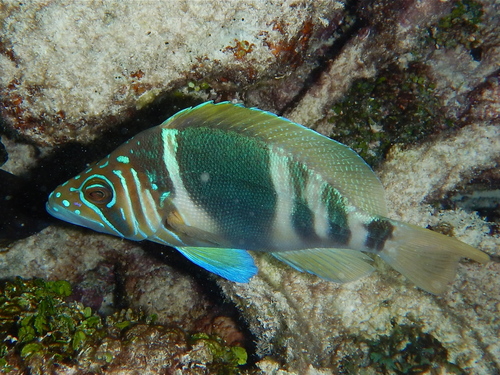
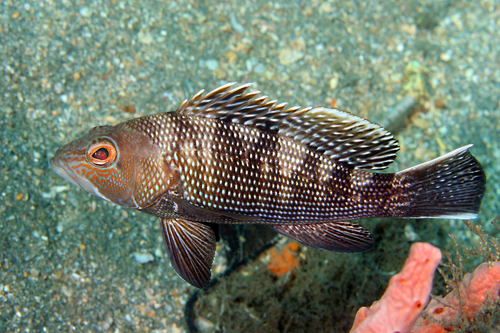
How to identify Hypoplectrus puella (Cuvier, 1828)

Hypoplectrus puella (Cuvier, 1828)

Hypoplectrus puella (Cuvier, 1828)

Hypoplectrus puella, the barred hamlet, is a small western Atlantic reef fish th…

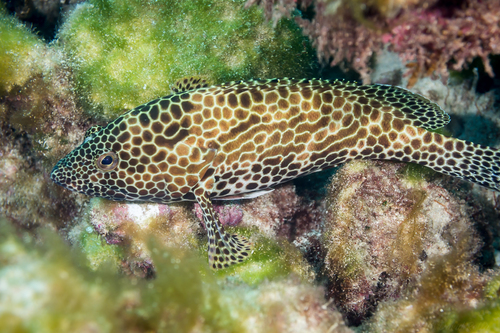
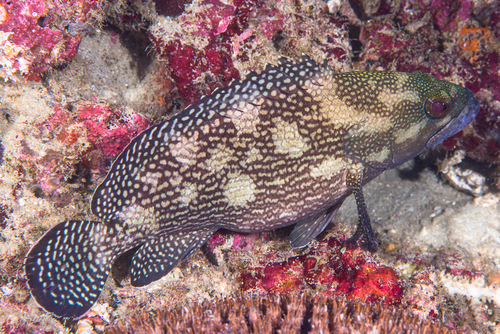
How to identify Epinephelus merra Bloch, 1793

Epinephelus merra Bloch, 1793

Epinephelus merra Bloch, 1793

Epinephelus merra, the common small honeycomb grouper, is a small-bodied Indo-Pa…

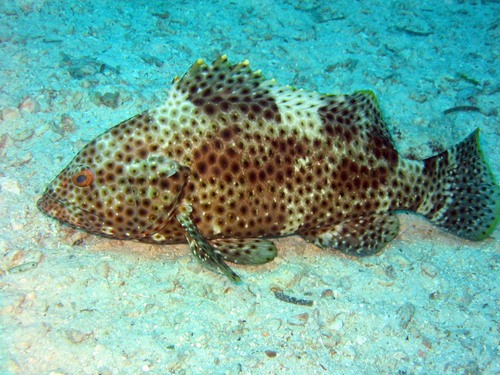
How to identify Epinephelus maculatus (Bloch, 1790)

Epinephelus maculatus (Bloch, 1790)

Epinephelus maculatus (Bloch, 1790)

Epinephelus maculatus is a predatory Indo-Pacific grouper with distinctive spott…

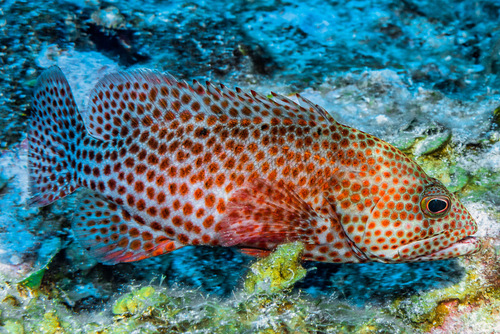
How to identify Cephalopholis fulva (Linnaeus, 1758)

Cephalopholis fulva (Linnaeus, 1758)

Cephalopholis fulva (Linnaeus, 1758)

Cephalopholis fulva is a reef-dwelling protogynous grouper from the western Atla…

How to identify Centropristis striata (Linnaeus, 1758)

Centropristis striata (Linnaeus, 1758)

Centropristis striata (Linnaeus, 1758)

Centropristis striata (black sea bass) is a western Atlantic predatory fish that…

How to identify Caesioperca lepidoptera (Forster, 1801)

Caesioperca lepidoptera (Forster, 1801)

Caesioperca lepidoptera (Forster, 1801)

Caesioperca lepidoptera, the butterfly perch, is a pink schooling reef fish foun…

How to identify Epinephelus ongus (Bloch, 1790)

Epinephelus ongus (Bloch, 1790)

Epinephelus ongus (Bloch, 1790)

Epinephelus ongus, the white-streaked grouper, is an Indo-Pacific reef fish with…

How to identify Serranus baldwini (Evermann & Marsh, 1899)

Serranus baldwini (Evermann & Marsh, 1899)

Serranus baldwini (Evermann & Marsh, 1899)

Serranus baldwini is a small synchronously hermaphroditic marine reef fish found…

How to identify Mycteroperca venenosa (Linnaeus, 1758)

Mycteroperca venenosa (Linnaeus, 1758)

Mycteroperca venenosa (Linnaeus, 1758)

Mycteroperca venenosa, the yellowfin grouper, is a marine reef grouper species f…

How to identify Epinephelus fuscoguttatus (Forsskål, 1775)

Epinephelus fuscoguttatus (Forsskål, 1775)

Epinephelus fuscoguttatus (Forsskål, 1775)

The brown-marbled grouper Epinephelus fuscoguttatus is a medium-sized Indo-Pacif…

Browse all 122 Serranidae species →

Frequently Asked Questions

How do you identify Serranidae?

Serranidae animals belong to the Perciformes order in the Animalia kingdom. Long, pointed upper, middle, and lower rays on the caudal fin create three distinct lobes. For instant identification, use the iNature app — AI-powered and works offline.

What are the key characteristics of Serranidae?

Serranidae is classified in the order Perciformes, class , phylum Chordata. They spend most of their time near the seabed, frequently aggregating around bottom features like rock piles, wrecks, and man-made structures.

Sources: GBIF, iNaturalist, Wikipedia · Disclaimer

Start Exploring Nature Today

Download iNature for free. 10 identifications on us. No account needed. No credit card required.

Download Free on App Store