How to Identify Scrophulariaceae

Scrophulariaceae is a plant family in the Plantae kingdom, order Lamiales, class Magnoliopsida. The family contains 210 accepted species worldwide. Some species in this family are toxic — exercise caution when handling unknown specimens.

Key Identification Features

For instant identification in the field, use the iNature app — AI-powered, works offline.
Representative Scrophulariaceae Species

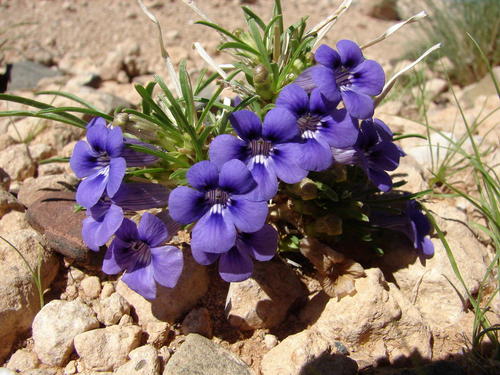
How to identify Aptosimum indivisum Burch.

Aptosimum indivisum Burch.

Aptosimum indivisum Burch.

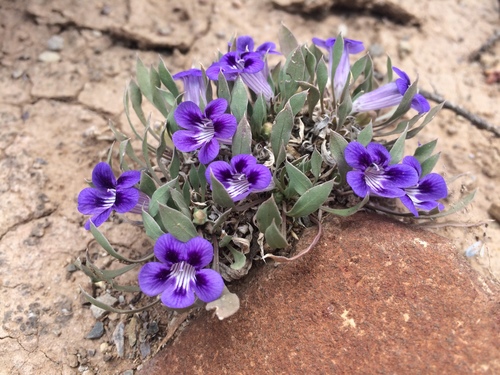
Aptosimum indivisum, the Karoo violet, is a member of genus Aptosimum first desc…

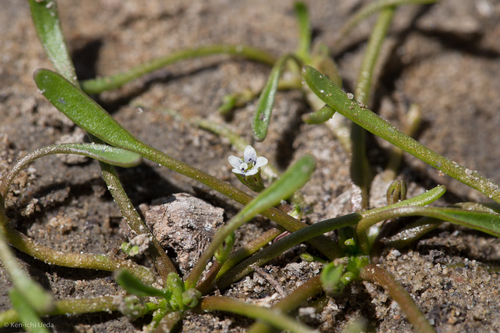
How to identify Limosella acaulis Sessé & Moc.

Limosella acaulis Sessé & Moc.

Limosella acaulis Sessé & Moc.

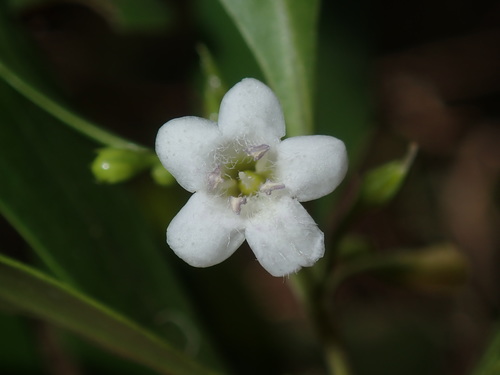
Limosella acaulis, the Owyhee mudwort, is a small mat-forming annual flowering p…

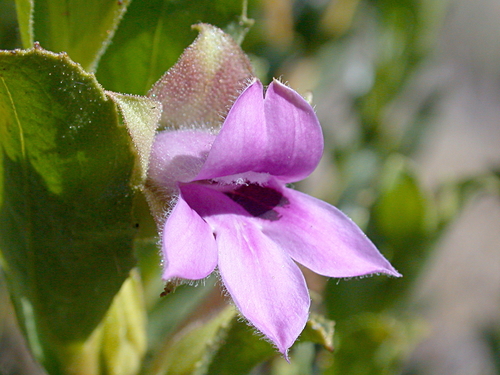
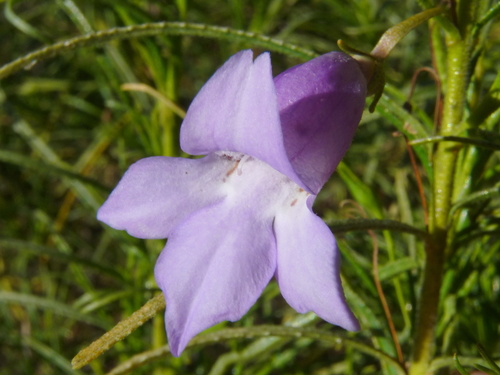
How to identify Eremophila willsii F.Muell.

Eremophila willsii F.Muell.

Eremophila willsii F.Muell.

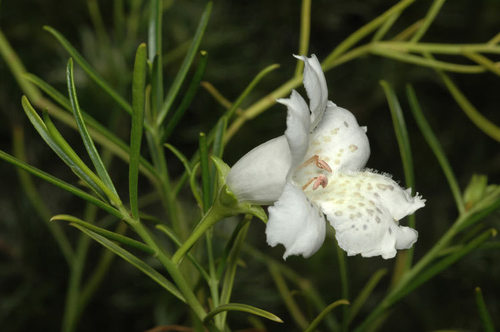
Eremophila willsii is a variable Australian shrub with striking pink to purple f…

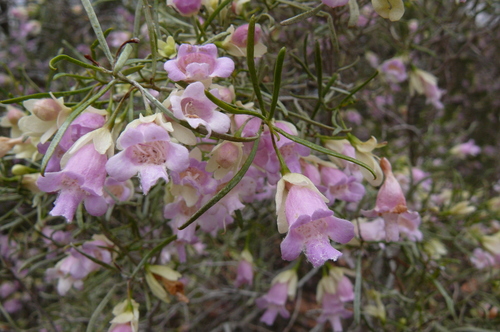
How to identify Eremophila sturtii R.Br.

Eremophila sturtii R.Br.

Eremophila sturtii R.Br.

Eremophila sturtii is an Australian shrub with documented traditional uses and c…

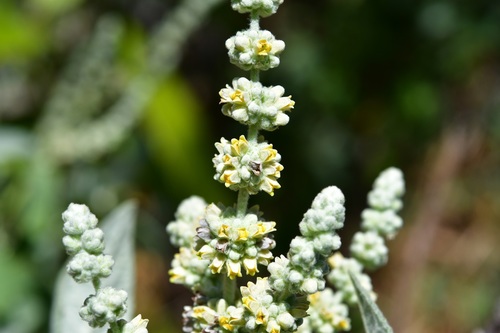
How to identify Buddleja crotonoides A.Gray

Buddleja crotonoides A.Gray

Buddleja crotonoides A.Gray

Buddleja crotonoides is a tetraploid large shrub or small tree that is uncommon …

How to identify Eremophila duttonii F.Muell.

Eremophila duttonii F.Muell.

Eremophila duttonii F.Muell.

Eremophila duttonii is an Australian shrub or small tree with antimicrobial prop…

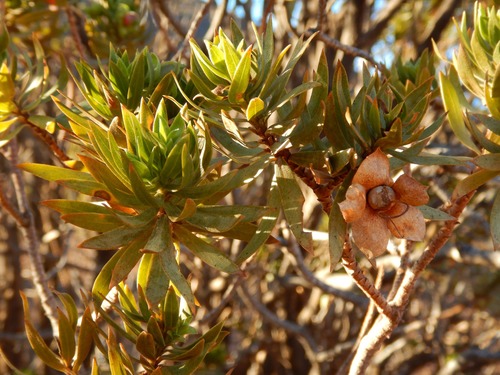
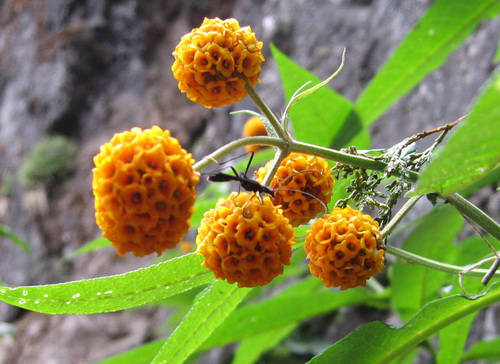
How to identify Buddleja globosa Hope

Buddleja globosa Hope

Buddleja globosa Hope

Buddleja globosa Hope is a large ornamental shrub from Chile, used in folk medic…

How to identify Eremophila gilesii F.Muell.

Eremophila gilesii F.Muell.

Eremophila gilesii F.Muell.

Eremophila gilesii F.Muell. is a variable Australian shrub that is often conside…

How to identify Aptosimum spinescens (Thunb.) Emil Weber

Aptosimum spinescens (Thunb.) Emil Weber

Aptosimum spinescens (Thunb.) Emil Weber

Aptosimum spinescens is a plant species from genus Aptosimum, first described by…

How to identify Verbascum lychnitis L.

Verbascum lychnitis L.

Verbascum lychnitis L.

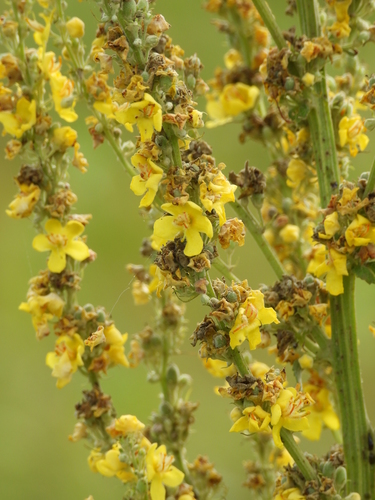
Verbascum lychnitis (white mullein) is a flowering mullein native to Asia and Eu…

How to identify Eremophila polyclada (F.Muell.) F.Muell.

Eremophila polyclada (F.Muell.) F.Muell.

Eremophila polyclada (F.Muell.) F.Muell.

Eremophila polyclada, or twiggy emu-bush, is a widespread Australian flowering s…

How to identify Myoporum boninense Koidz.

Myoporum boninense Koidz.

Myoporum boninense Koidz.

Myoporum boninense is a variable coastal shrub used by Aboriginal people and in …

Browse all 210 Scrophulariaceae species →

Frequently Asked Questions

How do you identify Scrophulariaceae?

Scrophulariaceae plants belong to the Lamiales order in the Plantae kingdom. Its main distinguishing feature is its large leaves, which grow up to less than 20 centimeters long, and are covered on both the upper and lower surfaces with dense, soft hairs. For instant identification, use the iNature app — AI-powered and works offline.

What are the key characteristics of Scrophulariaceae?

Scrophulariaceae is classified in the order Lamiales, class Magnoliopsida, phylum Tracheophyta. The tube usually has a few short hairs on both its inner and outer surfaces, and is sticky on the outside.

⚠️ Are any Scrophulariaceae species poisonous?

Yes, some Scrophulariaceae species are toxic or poisonous. Always exercise caution with unknown specimens. View poisonous Scrophulariaceae species or browse the full poisonous species guide.

Sources: GBIF, iNaturalist, Wikipedia · Disclaimer

Start Exploring Nature Today

Download iNature for free. 10 identifications on us. No account needed. No credit card required.

Download Free on App Store