How to Identify Scombridae

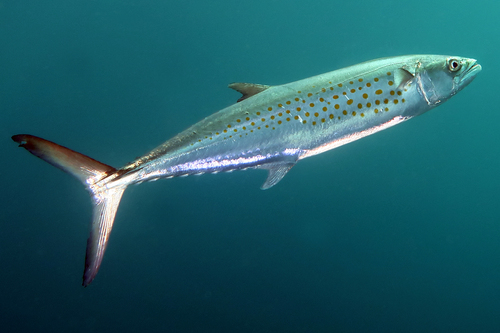
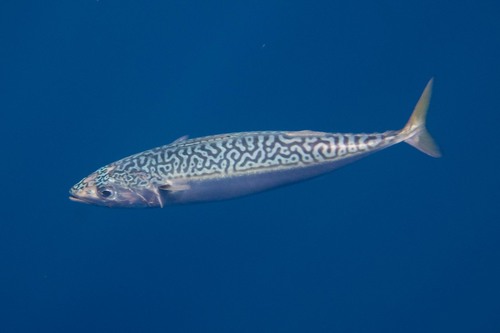
Scombridae is a animal family in the Animalia kingdom, order Perciformes, class . The family contains 24 accepted species worldwide.

Key Identification Features

For instant identification in the field, use the iNature app — AI-powered, works offline.
Representative Scombridae Species

How to identify Sarda chiliensis (Cuvier, 1832)

Sarda chiliensis (Cuvier, 1832)

Sarda chiliensis (Cuvier, 1832)

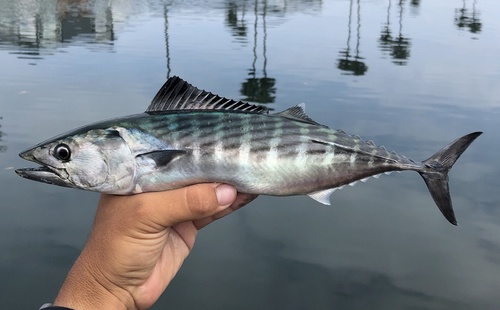
Sarda chiliensis, the eastern Pacific bonito, is a marine bonito ranging from Ec…

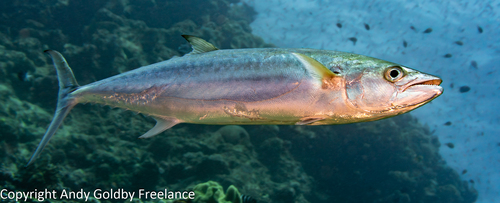
How to identify Gymnosarda unicolor (Rüppell, 1836)

Gymnosarda unicolor (Rüppell, 1836)

Gymnosarda unicolor (Rüppell, 1836)

Gymnosarda unicolor, the dogtooth tuna, is an apex reef predator widespread in t…

How to identify Euthynnus lineatus Kishinouye, 1920

Euthynnus lineatus Kishinouye, 1920

Euthynnus lineatus Kishinouye, 1920

Euthynnus lineatus Kishinouye, 1920 is a fish species found in the Eastern tropi…

How to identify Euthynnus affinis (Cantor, 1849)

Euthynnus affinis (Cantor, 1849)

Euthynnus affinis (Cantor, 1849)

Euthynnus affinis, or kawakawa, is a small migratory Indo-Pacific tuna with dist…

How to identify Scomberomorus maculatus (Mitchill, 1815)

Scomberomorus maculatus (Mitchill, 1815)

Scomberomorus maculatus (Mitchill, 1815)

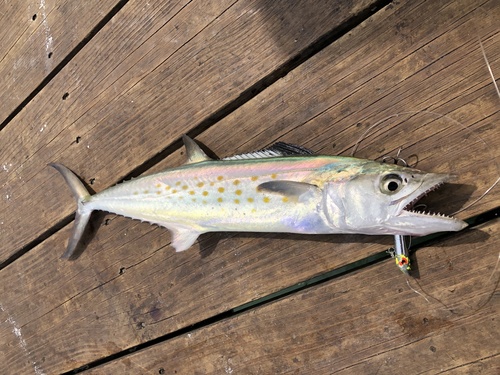
Scomberomorus maculatus, or Spanish mackerel, is a food fish found in western No…

How to identify Scomberomorus tritor (Cuvier, 1832)

Scomberomorus tritor (Cuvier, 1832)

Scomberomorus tritor (Cuvier, 1832)

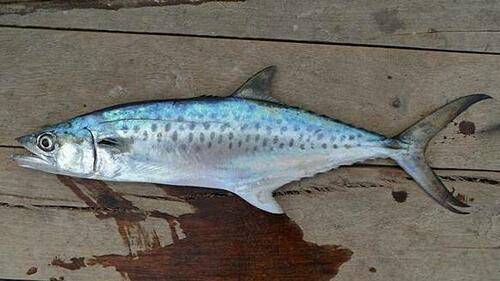
Scomberomorus tritor, the West African Spanish mackerel, is a Scombridae fish sp…

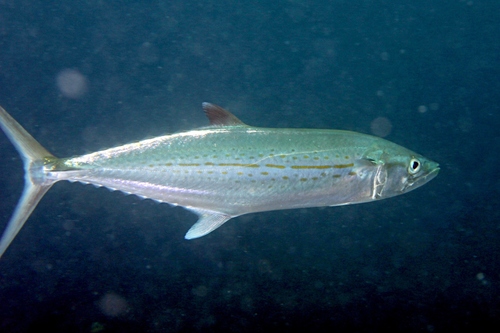
How to identify Grammatorcynus bilineatus (Rüppell, 1836)

Grammatorcynus bilineatus (Rüppell, 1836)

Grammatorcynus bilineatus (Rüppell, 1836)

Grammatorcynus bilineatus, the double-lined mackerel, is a reef-associated Indo-…

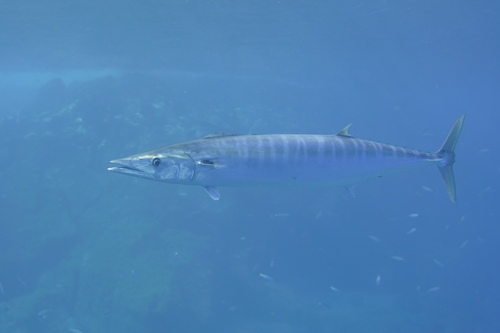
How to identify Acanthocybium solandri (Cuvier, 1832)

Acanthocybium solandri (Cuvier, 1832)

Acanthocybium solandri (Cuvier, 1832)

Acanthocybium solandri, or wahoo, is a circumtropical pelagic predatory fish wit…

How to identify Scomberomorus regalis (Bloch, 1793)

Scomberomorus regalis (Bloch, 1793)

Scomberomorus regalis (Bloch, 1793)

Scomberomorus regalis, the cero, is a western Atlantic Spanish mackerel from the…

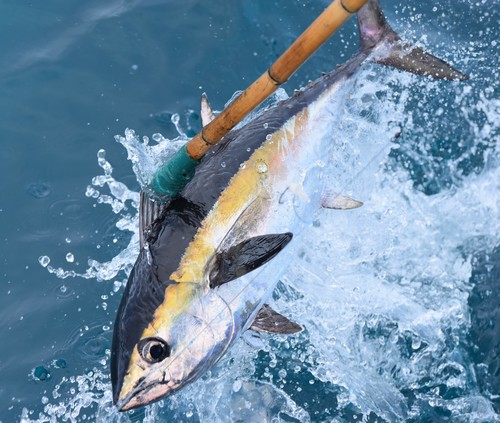
How to identify Thunnus atlanticus (Lesson, 1831)

Thunnus atlanticus (Lesson, 1831)

Thunnus atlanticus (Lesson, 1831)

Thunnus atlanticus, the blackfin tuna, is the smallest tuna species, with distin…

How to identify Scomberomorus sierra Jordan & Starks, 1895

Scomberomorus sierra Jordan & Starks, 1895

Scomberomorus sierra Jordan & Starks, 1895

Scomberomorus sierra, the Pacific or Mexican sierra, is a Spanish mackerel found…

How to identify Scomber japonicus Houttuyn, 1782

Scomber japonicus Houttuyn, 1782

Scomber japonicus Houttuyn, 1782

Scomber japonicus, or chub mackerel, is a widely distributed schooling fish valu…

Browse all 24 Scombridae species →

Frequently Asked Questions

How do you identify Scombridae?

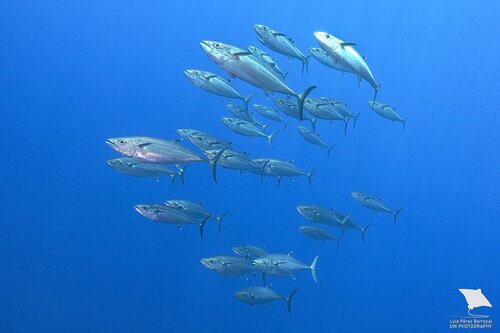
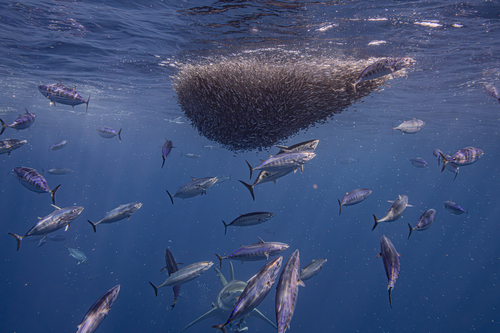
Scombridae animals belong to the Perciformes order in the Animalia kingdom. These large tunas have a streamlined body shape with distinctive coloration: brilliant blue-green on the back, silvery on the sides, and whitish on the belly. For instant identification, use the iNature app — AI-powered and works offline.

What are the key characteristics of Scombridae?

Scombridae is classified in the order Perciformes, class , phylum Chordata. Almost its entire body is scaleless, with the only exceptions being the lateral line and a distinct structure called a "corselet"; this species also lacks a swim bladder.

Sources: GBIF, iNaturalist, Wikipedia · Disclaimer

Start Exploring Nature Today

Download iNature for free. 10 identifications on us. No account needed. No credit card required.

Download Free on App Store