How to Identify Scolopacidae

Scolopacidae is a animal family in the Animalia kingdom, order Charadriiformes, class Aves. The family contains 73 accepted species worldwide.

Key Identification Features

For instant identification in the field, use the iNature app — AI-powered, works offline.
Representative Scolopacidae Species

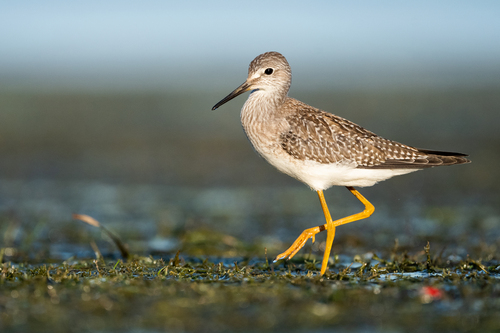
How to identify Tringa flavipes (J.F.Gmelin, 1789)

Tringa flavipes (J.F.Gmelin, 1789)

Tringa flavipes (J.F.Gmelin, 1789)

Tringa flavipes, the lesser yellowlegs, is a medium-large migratory shorebird th…

How to identify Calidris falcinellus (Pontoppidan, 1763)

Calidris falcinellus (Pontoppidan, 1763)

Calidris falcinellus (Pontoppidan, 1763)

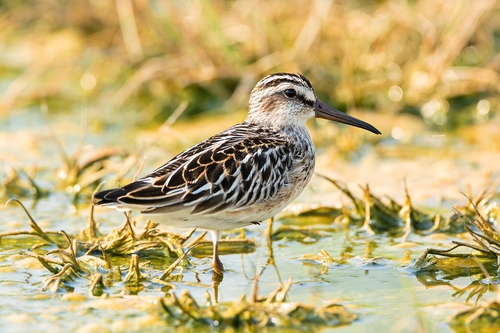
Calidris falcinellus, the broad-billed sandpiper, is a small migratory wader tha…

How to identify Calidris temminckii (Leisler, 1812)

Calidris temminckii (Leisler, 1812)

Calidris temminckii (Leisler, 1812)

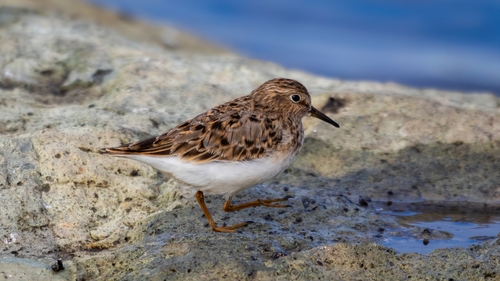
Calidris temminckii is a small drab wader distinguished from similar species by …

How to identify Numenius arquata (Linnaeus, 1758)

Numenius arquata (Linnaeus, 1758)

Numenius arquata (Linnaeus, 1758)

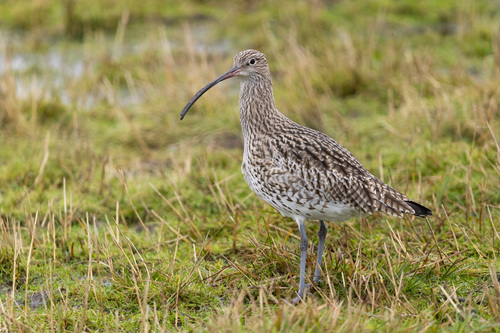
The Eurasian curlew is the largest wading bird in its range, a mostly migratory …

How to identify Tringa incana (J.F.Gmelin, 1789)

Tringa incana (J.F.Gmelin, 1789)

Tringa incana (J.F.Gmelin, 1789)

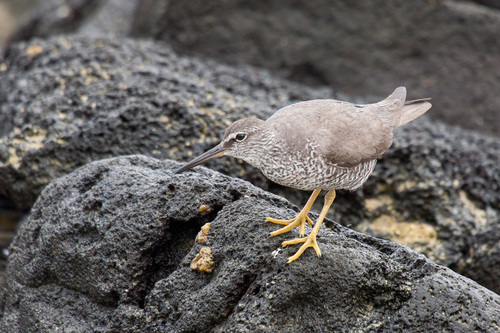
Tringa incana, the wandering tattler, is a medium-sized gray wading bird found a…

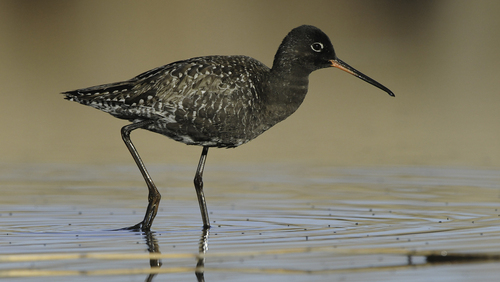
How to identify Tringa erythropus (Pallas, 1764)

Tringa erythropus (Pallas, 1764)

Tringa erythropus (Pallas, 1764)

Tringa erythropus, the spotted redshank, is a large Arctic-breeding Palearctic w…

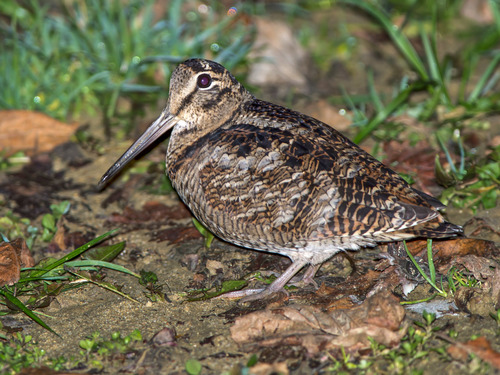
How to identify Scolopax rusticola Linnaeus, 1758

Scolopax rusticola Linnaeus, 1758

Scolopax rusticola Linnaeus, 1758

The Eurasian woodcock (Scolopax rusticola) is a camouflaged wader native to temp…

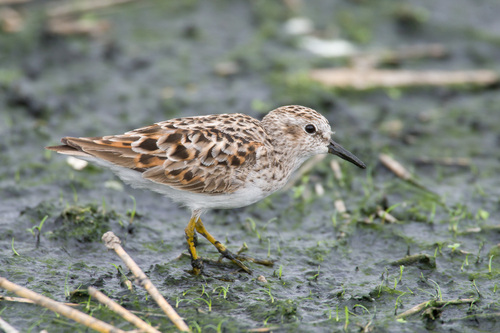
How to identify Calidris minutilla (Vieillot, 1819)

Calidris minutilla (Vieillot, 1819)

Calidris minutilla (Vieillot, 1819)

Calidris minutilla, the least sandpiper, is a small shorebird with distinct plum…

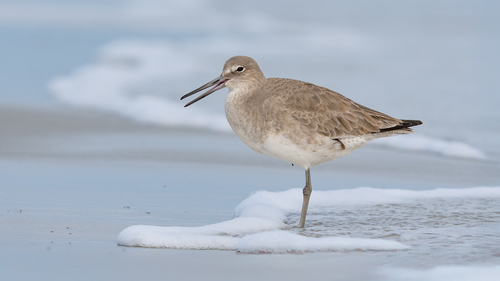
How to identify Tringa semipalmata (J.F.Gmelin, 1789)

Tringa semipalmata (J.F.Gmelin, 1789)

Tringa semipalmata (J.F.Gmelin, 1789)

Tringa semipalmata, the willet, is the largest Tringa sandpiper with distinct tr…

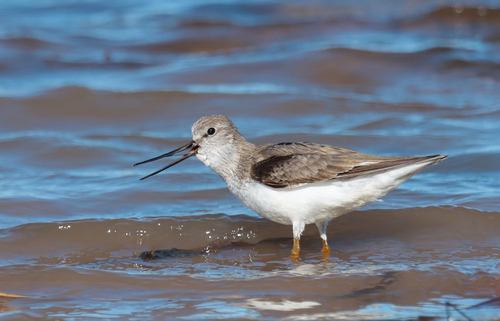
How to identify Xenus cinereus (Güldenstädt, 1775)

Xenus cinereus (Güldenstädt, 1775)

Xenus cinereus (Güldenstädt, 1775)

Xenus cinereus, the Terek sandpiper, is a distinctive migratory wader that is no…

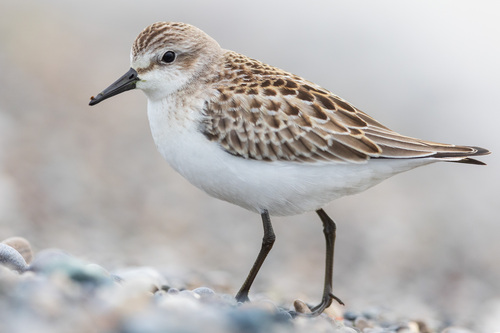
How to identify Calidris pusilla (Linnaeus, 1766)

Calidris pusilla (Linnaeus, 1766)

Calidris pusilla (Linnaeus, 1766)

Calidris pusilla, the semipalmated sandpiper, is a small North American tundra-b…

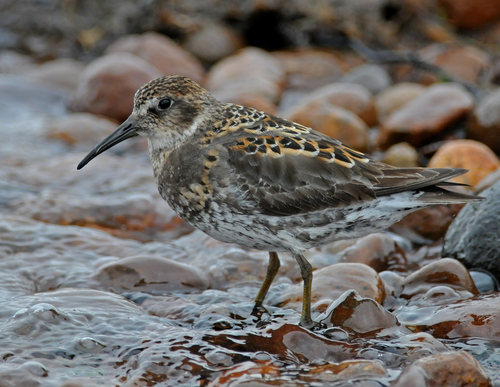
How to identify Calidris ptilocnemis (Coues, 1873)

Calidris ptilocnemis (Coues, 1873)

Calidris ptilocnemis (Coues, 1873)

Calidris ptilocnemis, the rock sandpiper, is a migratory shorebird with distinct…

Browse all 73 Scolopacidae species →

Frequently Asked Questions

How do you identify Scolopacidae?

Scolopacidae animals belong to the Charadriiformes order in the Animalia kingdom. It has a longer, straighter bill with a tip that is distinctly kinked downward, and shorter legs than the dunlin. For instant identification, use the iNature app — AI-powered and works offline.

What are the key characteristics of Scolopacidae?

Scolopacidae is classified in the order Charadriiformes, class Aves, phylum Chordata. They have a pale crown stripe and a distinctive double (split) supercilium.

Sources: GBIF, iNaturalist, Wikipedia · Disclaimer

Start Exploring Nature Today

Download iNature for free. 10 identifications on us. No account needed. No credit card required.

Download Free on App Store