How to Identify Sapindaceae

Sapindaceae is a plant family in the Plantae kingdom, order Sapindales, class Magnoliopsida. The family contains 153 accepted species worldwide. Some species in this family are toxic — exercise caution when handling unknown specimens.

Key Identification Features

For instant identification in the field, use the iNature app — AI-powered, works offline.

Representative Sapindaceae Species

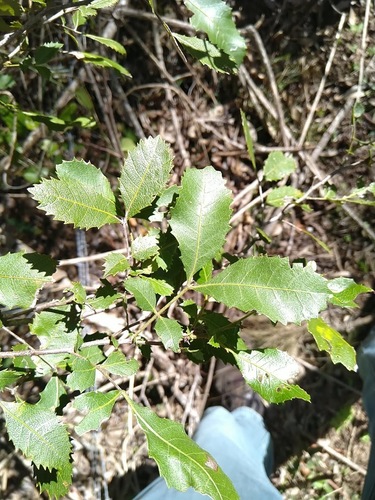
How to identify Acer leucoderme Small

Acer leucoderme Small

Acer leucoderme Small

Acer leucoderme (chalk maple) is a small North American understory tree commonly…

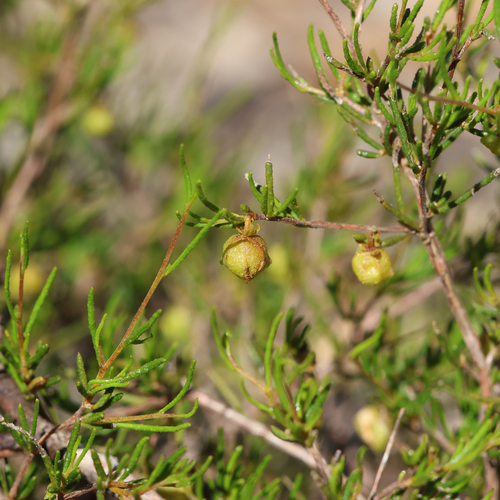
How to identify Dodonaea hexandra F.Muell.

Dodonaea hexandra F.Muell.

Dodonaea hexandra F.Muell.

Dodonaea hexandra is a small dioecious shrub that grows in mallee scrub across p…

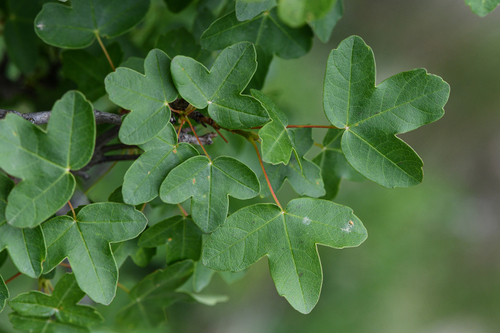
How to identify Acer monspessulanum L.

Acer monspessulanum L.

Acer monspessulanum L.

Acer monspessulanum is a deciduous maple popular for bonsai, rarely cultivated o…

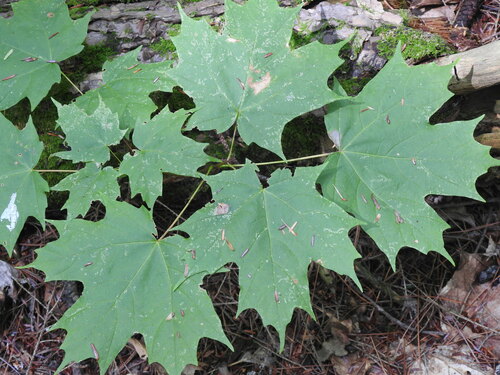
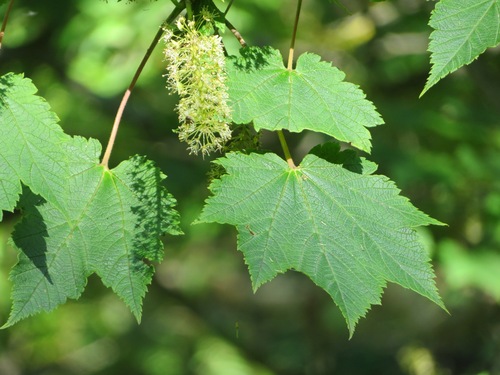
How to identify Acer saccharum Marshall

Acer saccharum Marshall

Acer saccharum Marshall

Acer saccharum (sugar maple) is a deciduous North American tree, best known as t…

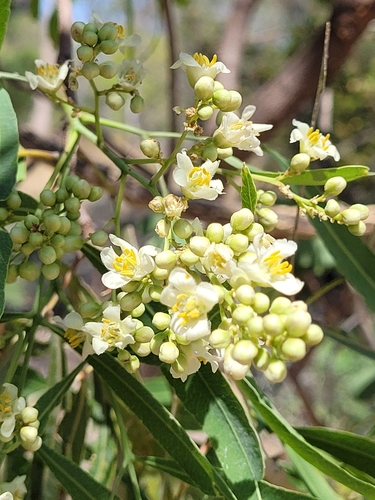
How to identify Atalaya hemiglauca F.Muell. ex Benth.

Atalaya hemiglauca F.Muell. ex Benth.

Atalaya hemiglauca F.Muell. ex Benth.

Atalaya hemiglauca is an Australian drought-tolerant woody plant whose gum is tr…

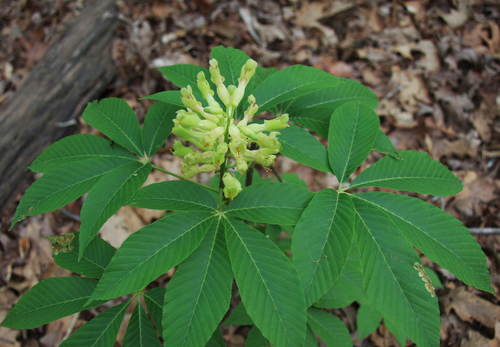
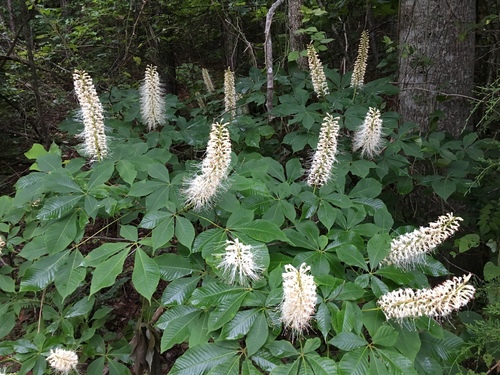
How to identify Aesculus sylvatica W.Bartram

Aesculus sylvatica W.Bartram

Aesculus sylvatica W.Bartram

Aesculus sylvatica, the painted buckeye, is a poisonous shrub found in forests a…

⚠️ Poisonous
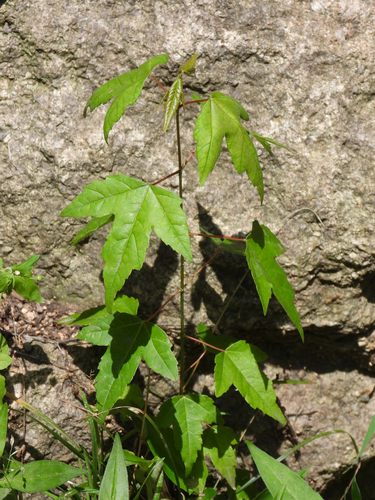
How to identify Acer buergerianum Miq.

Acer buergerianum Miq.

Acer buergerianum Miq.

Acer buergerianum Miq. is a variable deciduous maple widely grown as an ornament…

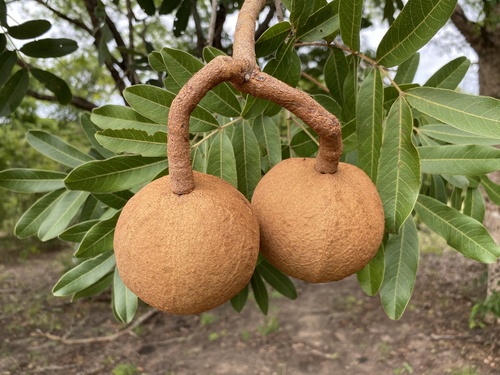
How to identify Magonia pubescens A.St.-Hil.

Magonia pubescens A.St.-Hil.

Magonia pubescens A.St.-Hil.

Magonia pubescens is the only accepted species in the Sapindaceae genus Magonia,…

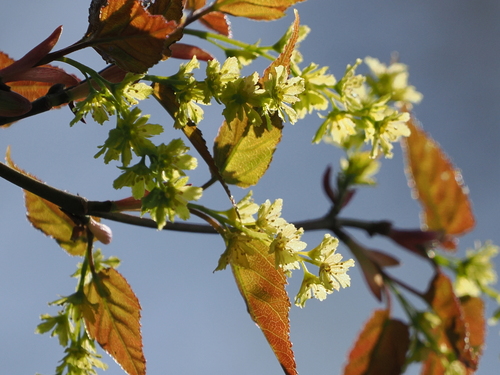
How to identify Acer caudatifolium Hayata

Acer caudatifolium Hayata

Acer caudatifolium Hayata

Acer caudatifolium Hayata is a deciduous tree endemic to Taiwan, growing in mid …

How to identify Acer ukurunduense Trautv. & C.A.Mey.

Acer ukurunduense Trautv. & C.A.Mey.

Acer ukurunduense Trautv. & C.A.Mey.

Acer caudatum, the candle-shape maple, is an Asian deciduous maple tree with rec…

How to identify Alectryon subdentatus (Benth.) Radlk.

Alectryon subdentatus (Benth.) Radlk.

Alectryon subdentatus (Benth.) Radlk.

Alectryon subdentatus is a shrub or small tree with distinct bark, leaf, and fru…

How to identify Aesculus parviflora Walter

Aesculus parviflora Walter

Aesculus parviflora Walter

Aesculus parviflora is a small-flowered ornamental shrub that attracts butterfli…

Browse all 153 Sapindaceae species →

Frequently Asked Questions

How do you identify Sapindaceae?

Sapindaceae plants belong to the Sapindales order in the Plantae kingdom. Acer saccharum is closely related to black maple, which some botanists include within this species, while others separate it as a distinct species Acer nigrum. For instant identification, use the iNature app — AI-powered and works offline.

What are the key characteristics of Sapindaceae?

Sapindaceae is classified in the order Sapindales, class Magnoliopsida, phylum Tracheophyta. buergerianum), but are no longer recognized as distinct from the main species.

⚠️ Are any Sapindaceae species poisonous?

Yes, some Sapindaceae species are toxic or poisonous. Always exercise caution with unknown specimens. View poisonous Sapindaceae species or browse the full poisonous species guide.

Sources: GBIF, iNaturalist, Wikipedia · Disclaimer

Start Exploring Nature Today

Download iNature for free. 10 identifications on us. No account needed. No credit card required.

Download Free on App Store