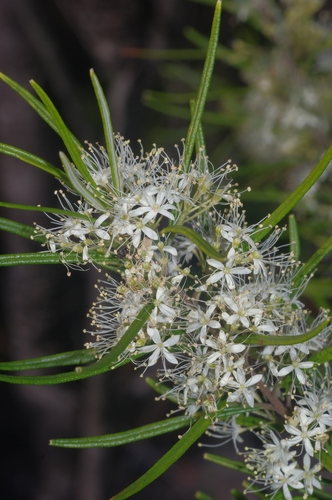
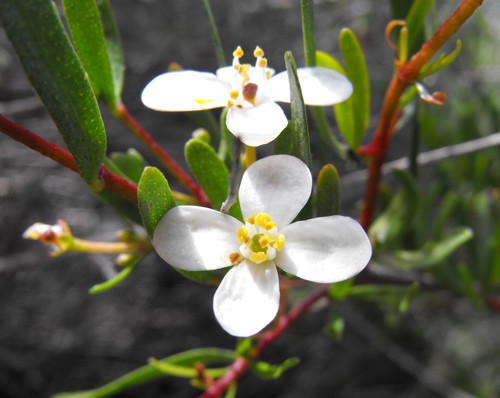
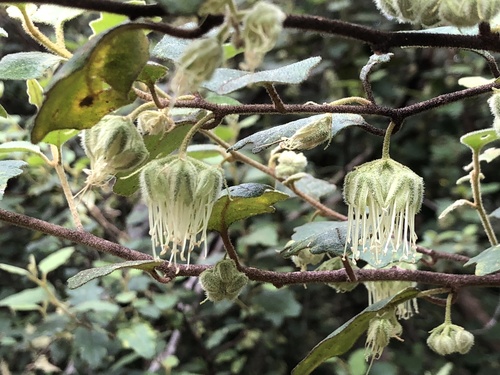
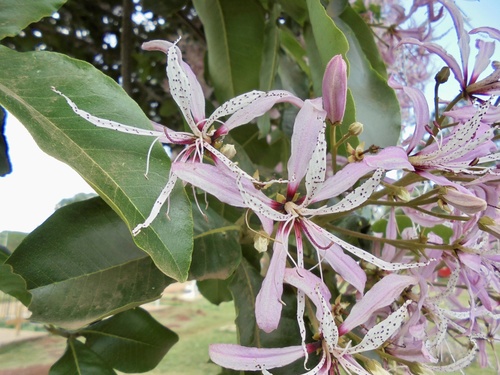
How to Identify Rutaceae

Rutaceae is a plant family in the Plantae kingdom, order Sapindales, class Magnoliopsida. The family contains 246 accepted species worldwide. Some species in this family are toxic — exercise caution when handling unknown specimens.

Key Identification Features

For instant identification in the field, use the iNature app — AI-powered, works offline.
Representative Rutaceae Species

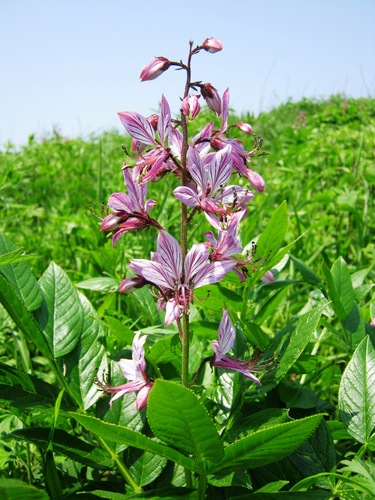
How to identify Dictamnus dasycarpus Turcz.

Dictamnus dasycarpus Turcz.

Dictamnus dasycarpus Turcz.

Dictamnus dasycarpus (Chinese dittany) is a Rutaceae flowering plant native from…

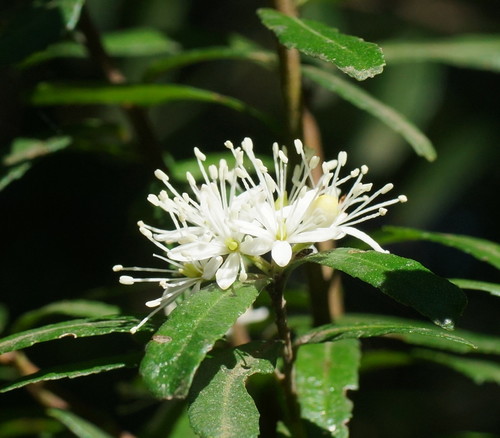
How to identify Leionema dentatum (Sm.) Paul G.Wilson

Leionema dentatum (Sm.) Paul G.Wilson

Leionema dentatum (Sm.) Paul G.Wilson

Leionema dentatum is a shrub or small tree native to southern New South Wales th…

How to identify Cneoridium dumosum (Nutt.) Hook.fil.

Cneoridium dumosum (Nutt.) Hook.fil.

Cneoridium dumosum (Nutt.) Hook.fil.

Cneoridium dumosum, commonly known as bushrue, is an aromatic evergreen shrub na…

How to identify Chorilaena quercifolia Endl.

Chorilaena quercifolia Endl.

Chorilaena quercifolia Endl.

Chorilaena quercifolia is a bushy shrub that grows in coastal habitats of south-…

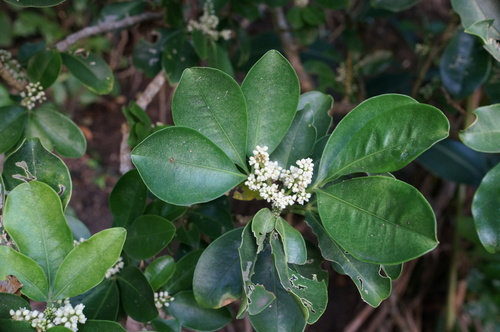
How to identify Calodendrum capense (L.fil.) Thunb.

Calodendrum capense (L.fil.) Thunb.

Calodendrum capense (L.fil.) Thunb.

Calodendrum capense, or Cape chestnut, is a widely cultivated African tree grown…

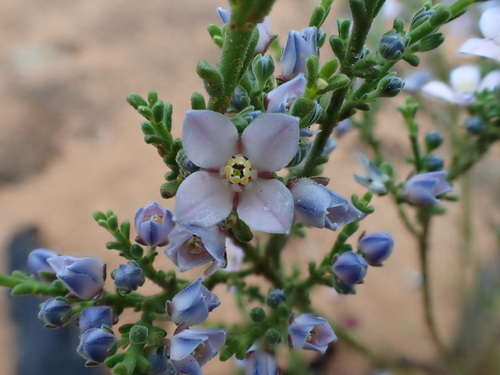
How to identify Cyanothamnus coerulescens (F.Muell.) Duretto & Heslewood

Cyanothamnus coerulescens (F.Muell.) Duretto & Heslewood

Cyanothamnus coerulescens (F.Muell.) Duretto & Heslewood

Cyanothamnus coerulescens is an erect blue, lilac, or white-flowered shrub that …

How to identify Leionema bilobum (Lindl.) Paul G.Wilson

Leionema bilobum (Lindl.) Paul G.Wilson

Leionema bilobum (Lindl.) Paul G.Wilson

Leionema bilobum, or notched phebalium, is a Rutaceae shrub endemic to southeast…

How to identify Boronia safrolifera Cheel

Boronia safrolifera Cheel

Boronia safrolifera Cheel

Boronia safrolifera, or safrole boronia, is an erect woody shrub found in near-c…

How to identify Melicope triphylla (Lam.) Merr.

Melicope triphylla (Lam.) Merr.

Melicope triphylla (Lam.) Merr.

Melicope triphylla is a woody plant with unisexual flowers that grows across Eas…

How to identify Acronychia imperforata F.Muell.

Acronychia imperforata F.Muell.

Acronychia imperforata F.Muell.

Acronychia imperforata, Logan apple, is a rainforest shrub or tree native to eas…

How to identify Zanthoxylum clava-herculis L.

Zanthoxylum clava-herculis L.

Zanthoxylum clava-herculis L.

Zanthoxylum clava-herculis is a tree known as toothache tree, historically used …

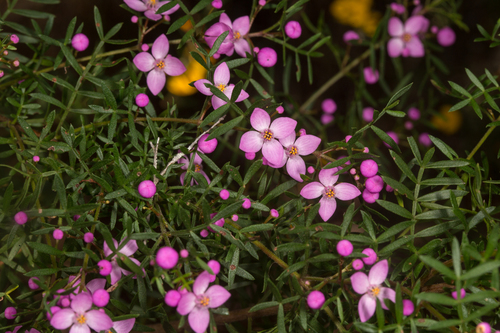
How to identify Boronia crenulata Sm.

Boronia crenulata Sm.

Boronia crenulata Sm.

Boronia crenulata is a variable-leaved pink to reddish-flowered shrub endemic to…

Browse all 246 Rutaceae species →

Frequently Asked Questions

How do you identify Rutaceae?

Rutaceae plants belong to the Sapindales order in the Plantae kingdom. 14 in) long, and end in a small distinct point. For instant identification, use the iNature app — AI-powered and works offline.

What are the key characteristics of Rutaceae?

Rutaceae is classified in the order Sapindales, class Magnoliopsida, phylum Tracheophyta. For seed propagation, berries must be harvested when they turn a distinctive chocolate-brown color at the end of summer.

⚠️ Are any Rutaceae species poisonous?

Yes, some Rutaceae species are toxic or poisonous. Always exercise caution with unknown specimens. View poisonous Rutaceae species or browse the full poisonous species guide.

Sources: GBIF, iNaturalist, Wikipedia · Disclaimer

Start Exploring Nature Today

Download iNature for free. 10 identifications on us. No account needed. No credit card required.

Download Free on App Store