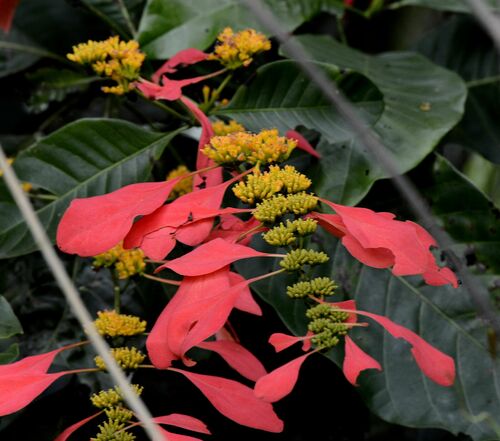
How to Identify Rubiaceae

Rubiaceae is a plant family in the Plantae kingdom, order Gentianales, class Magnoliopsida. The family contains 535 accepted species worldwide. Some species in this family are toxic — exercise caution when handling unknown specimens.

Key Identification Features

For instant identification in the field, use the iNature app — AI-powered, works offline.
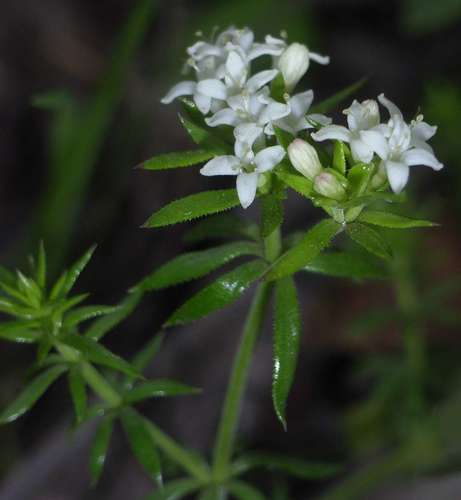
Representative Rubiaceae Species

How to identify Asperula scoparia Hook.f.

Asperula scoparia Hook.f.

Asperula scoparia Hook.f.

Asperula scoparia is a 1847-described Rubiaceae flowering plant endemic to south…

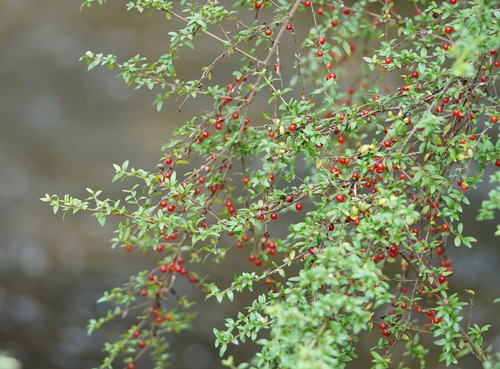
How to identify Coprosma quadrifida (Labill.) B.L.Rob.

Coprosma quadrifida (Labill.) B.L.Rob.

Coprosma quadrifida (Labill.) B.L.Rob.

Coprosma quadrifida is an Australian shrub with historical food uses by settlers…

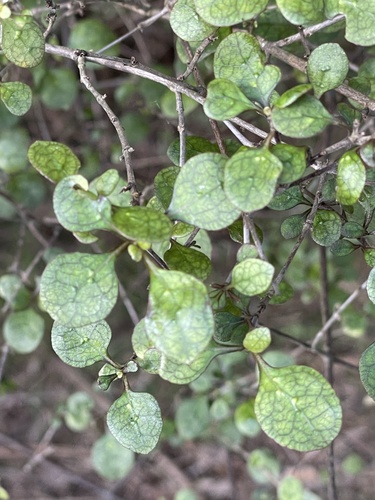
How to identify Coprosma tenuicaulis Hook.f.

Coprosma tenuicaulis Hook.f.

Coprosma tenuicaulis Hook.f.

Coprosma tenuicaulis (swamp coprosma) is a New Zealand native shrub that grows i…

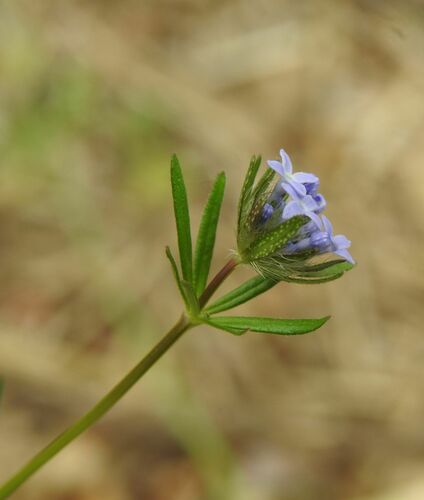
How to identify Asperula arvensis L.

Asperula arvensis L.

Asperula arvensis L.

Asperula arvensis L. (blue woodruff) is a Rubiaceae flowering plant native to Eu…

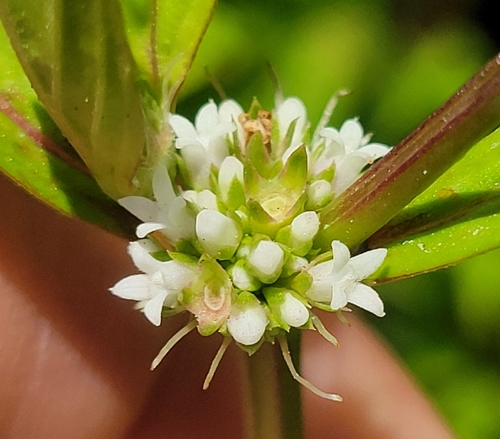
How to identify Spermacoce glabra Michx.

Spermacoce glabra Michx.

Spermacoce glabra Michx.

Spermacoce glabra, smooth false buttonweed, is a widespread New World coffee fam…

How to identify Houstonia wrightii A.Gray

Houstonia wrightii A.Gray

Houstonia wrightii A.Gray

Houstonia wrightii (pygmy bluet) is a Rubiaceae plant native to the southwestern…

How to identify Guettarda speciosa L.

Guettarda speciosa L.

Guettarda speciosa L.

Guettarda speciosa L. is a coastal tropical perennial shrub or small tree with m…

How to identify Cruciata laevipes Opiz

Cruciata laevipes Opiz

Cruciata laevipes Opiz

Cruciata laevipes Opiz is a perennial sprawling herb with yellow honey-scented f…

How to identify Psychotria carthagenensis Jacq.

Psychotria carthagenensis Jacq.

Psychotria carthagenensis Jacq.

Psychotria carthagenensis, or amyruca, is a South American rainforest shrub from…

How to identify Galium rubioides L.

Galium rubioides L.

Galium rubioides L.

Galium rubioides (European bedstraw) is an erect herb in the Rubiaceae family, n…

How to identify Coprosma rigida Cheeseman

Coprosma rigida Cheeseman

Coprosma rigida Cheeseman

Coprosma rigida is a New Zealand native shrub that grows to 4m tall and bears ye…

How to identify Warszewiczia coccinea (Vahl) Klotzsch

Warszewiczia coccinea (Vahl) Klotzsch

Warszewiczia coccinea (Vahl) Klotzsch

Warszewiczia coccinea is the national flower of Trinidad and Tobago, an ornament…

Browse all 535 Rubiaceae species →

Frequently Asked Questions

How do you identify Rubiaceae?

Rubiaceae plants belong to the Gentianales order in the Plantae kingdom. The species is especially notable for its inflorescence, which is a verticillaster up to 50 cm long that holds up to a dozen clusters. For instant identification, use the iNature app — AI-powered and works offline.

What are the key characteristics of Rubiaceae?

Rubiaceae is classified in the order Gentianales, class Magnoliopsida, phylum Tracheophyta. These clusters feature bright red bracts that measure up to 7 cm by 5 cm, alongside small flowers with unnoticeable yellow petals.

⚠️ Are any Rubiaceae species poisonous?

Yes, some Rubiaceae species are toxic or poisonous. Always exercise caution with unknown specimens. View poisonous Rubiaceae species or browse the full poisonous species guide.

Sources: GBIF, iNaturalist, Wikipedia · Disclaimer

Start Exploring Nature Today

Download iNature for free. 10 identifications on us. No account needed. No credit card required.

Download Free on App Store