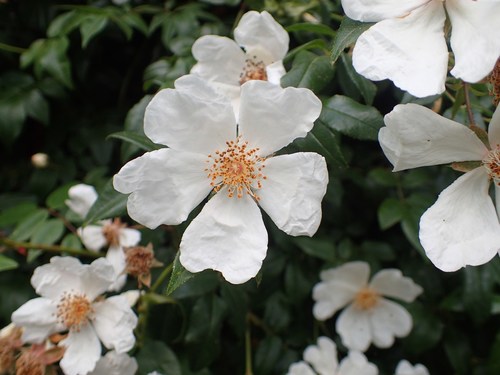
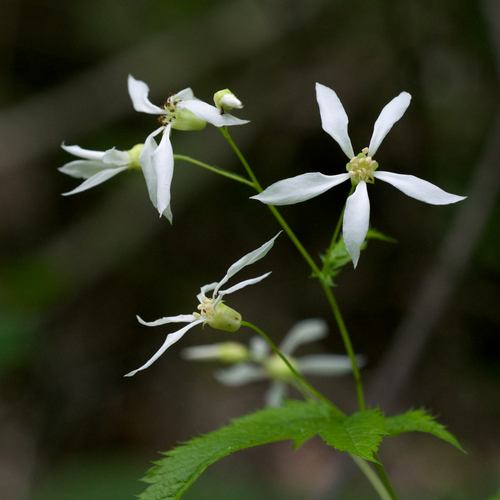
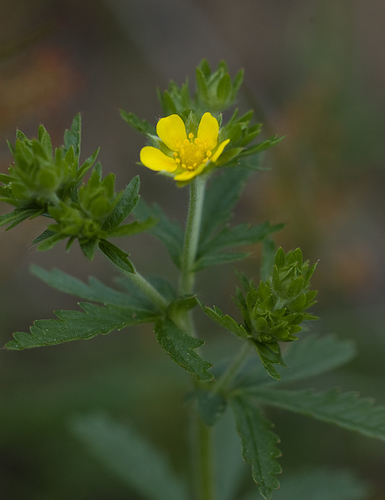
How to Identify Rosaceae — Rose Family

Rosaceae (Rose Family) is a plant family in the Plantae kingdom, order Rosales, class Magnoliopsida. The family contains 697 accepted species worldwide. Some species in this family are toxic — exercise caution when handling unknown specimens.

Key Identification Features

For instant identification in the field, use the iNature app — AI-powered, works offline.
Representative Rosaceae Species

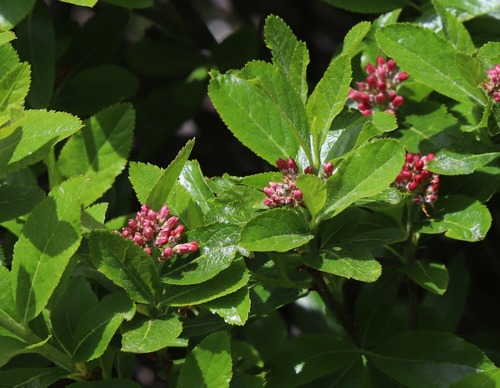
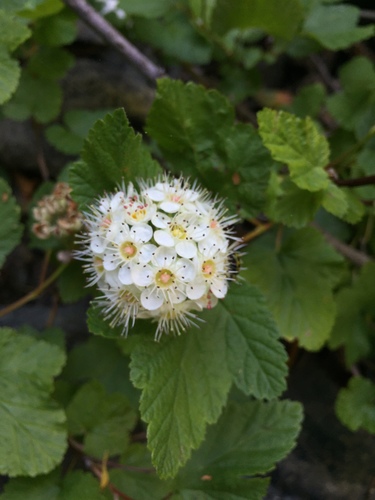
How to identify Physocarpus capitatus (Pursh) Kuntze

Physocarpus capitatus (Pursh) Kuntze

Physocarpus capitatus (Pursh) Kuntze

Physocarpus capitatus, or Pacific ninebark, is a deciduous North American shrub …

⚠️ Poisonous
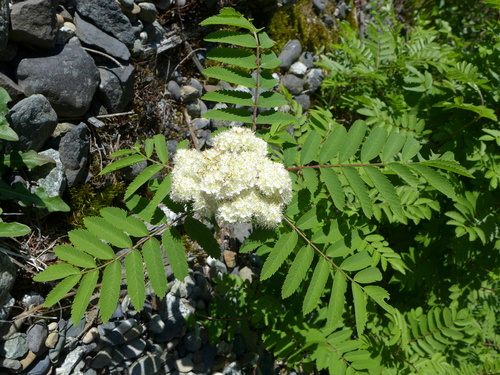
How to identify Sorbus scopulina Greene

Sorbus scopulina Greene

Sorbus scopulina Greene

Sorbus scopulina Greene is a small North American tree/shrub with edible bitter …

⚠️ Poisonous
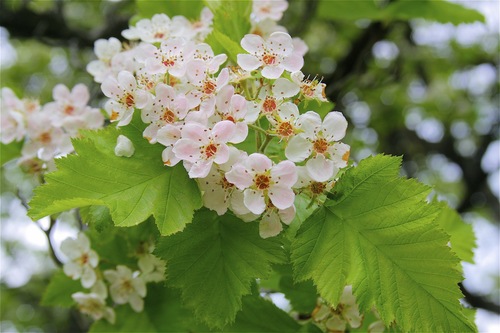
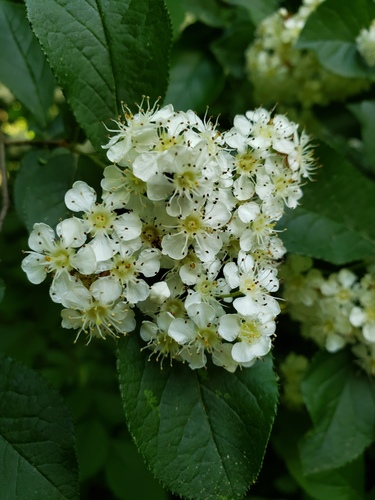
How to identify Crataegus mollis (Torr. & A.Gray) Scheele

Crataegus mollis (Torr. & A.Gray) Scheele

Crataegus mollis (Torr. & A.Gray) Scheele

Crataegus mollis, or downy hawthorn, is an uncommon cultivated North American tr…

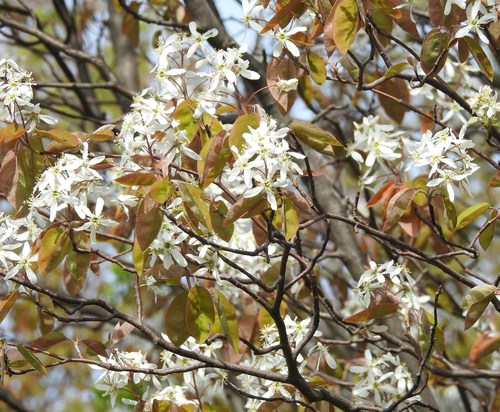
How to identify Amelanchier arborea (F.Michx.) Fernald

Amelanchier arborea (F.Michx.) Fernald

Amelanchier arborea (F.Michx.) Fernald

Amelanchier arborea, the common serviceberry, is a North American small tree wit…

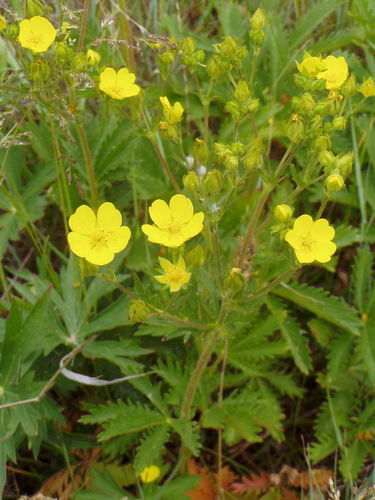
How to identify Potentilla gracilis Douglas ex Hook.

Potentilla gracilis Douglas ex Hook.

Potentilla gracilis Douglas ex Hook.

Potentilla gracilis, or slender/graceful cinquefoil, is a variable perennial cin…

How to identify Chamaemespilus alpina (Mill.) K.R.Robertson & J.B.Phipps

Chamaemespilus alpina (Mill.) K.R.Robertson & J.B.Phipps

Chamaemespilus alpina (Mill.) K.R.Robertson & J.B.Phipps

Chamaemespilus alpina is a deciduous shrub with pink flowers and red oval pomes,…

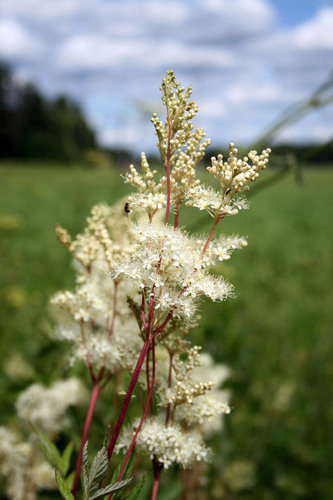
How to identify Filipendula ulmaria (L.) Maxim.

Filipendula ulmaria (L.) Maxim.

Filipendula ulmaria (L.) Maxim.

Filipendula ulmaria, or meadowsweet, is a flowering herb with historical links t…

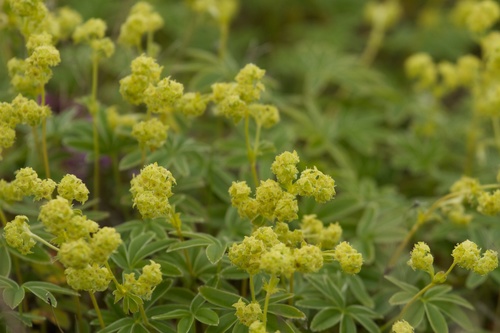
How to identify Alchemilla alpina L.

Alchemilla alpina L.

Alchemilla alpina L.

Alchemilla alpina L., or alpine lady's-mantle, is an apomictic perennial herb na…

How to identify Pourthiaea villosa (Thunb.) Decne.

Pourthiaea villosa (Thunb.) Decne.

Pourthiaea villosa (Thunb.) Decne.

Pourthiaea villosa is an invasive Rosaceae shrub/small tree native to East and S…

How to identify Rosa sempervirens L.

Rosa sempervirens L.

Rosa sempervirens L.

Rosa sempervirens L. is an evergreen rose native to Mediterranean and nearby reg…

How to identify Gillenia stipulata (Muhl. ex Willd.) Bergmans

Gillenia stipulata (Muhl. ex Willd.) Bergmans

Gillenia stipulata (Muhl. ex Willd.) Bergmans

Gillenia stipulata (American ipecac) is a herbaceous perennial Rosaceae plant na…

How to identify Potentilla intermedia L.

Potentilla intermedia L.

Potentilla intermedia L.

Potentilla intermedia L. is a flowering Rosaceae species native from Poland to t…

Browse all 697 Rosaceae species →

Frequently Asked Questions

How do you identify Rosaceae?

Rosaceae plants belong to the Rosales order in the Plantae kingdom. Its leaves are distinctively grape or maple-shaped, palmately lobed, and measure 3 to 14 centimetres (1 to 5+1⁄2 inches) in both length and width. For instant identification, use the iNature app — AI-powered and works offline.

What are the key characteristics of Rosaceae?

Rosaceae is classified in the order Rosales, class Magnoliopsida, phylum Tracheophyta. Each flower typically has five sepals, lower bracts, and yellow petals.

⚠️ Are any Rosaceae species poisonous?

Yes, some Rosaceae species are toxic or poisonous. Always exercise caution with unknown specimens. View poisonous Rosaceae species or browse the full poisonous species guide.

Sources: GBIF, iNaturalist, Wikipedia · Disclaimer

Start Exploring Nature Today

Download iNature for free. 10 identifications on us. No account needed. No credit card required.

Download Free on App Store