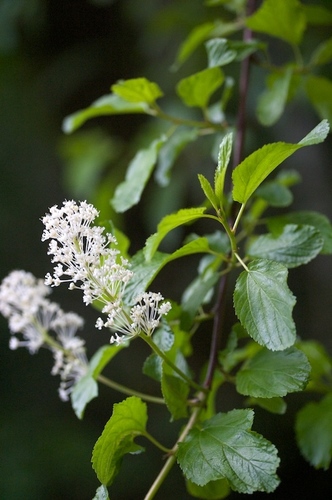
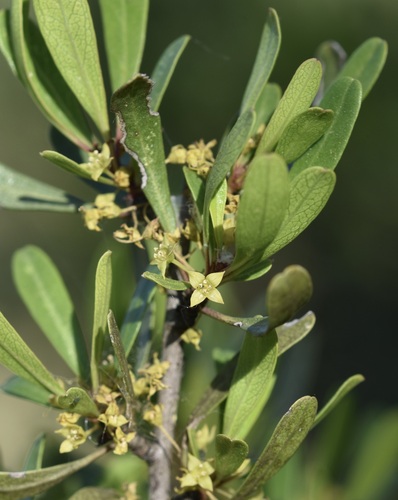
How to Identify Rhamnaceae

Rhamnaceae is a plant family in the Plantae kingdom, order Rosales, class Magnoliopsida. The family contains 192 accepted species worldwide. Some species in this family are toxic — exercise caution when handling unknown specimens.

Key Identification Features

For instant identification in the field, use the iNature app — AI-powered, works offline.
Representative Rhamnaceae Species

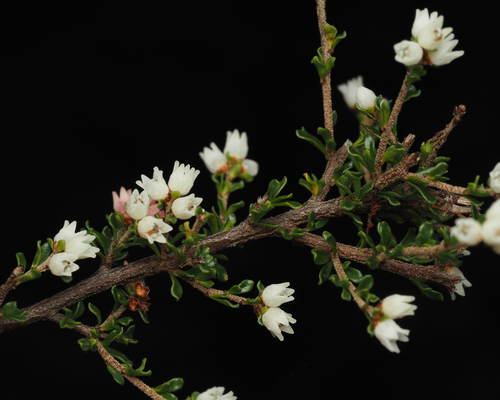
How to identify Cryptandra amara Sm.

Cryptandra amara Sm.

Cryptandra amara Sm.

Cryptandra amara Sm. is a small woody flowering shrub native to eastern Australi…

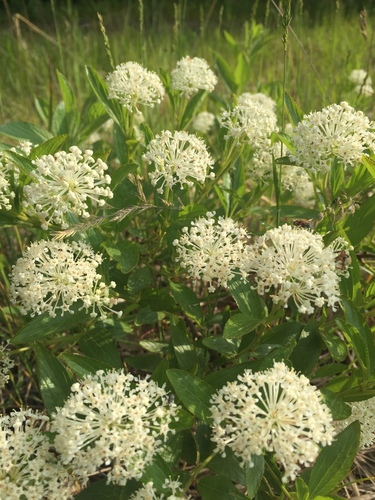
How to identify Ceanothus herbaceus Raf.

Ceanothus herbaceus Raf.

Ceanothus herbaceus Raf.

Ceanothus herbaceus, or Jersey tea, is a small deciduous North American shrub th…

How to identify Ceanothus parvifolius (S.Watson) Trel.

Ceanothus parvifolius (S.Watson) Trel.

Ceanothus parvifolius (S.Watson) Trel.

Ceanothus parvifolius is a small spreading deciduous shrub native to the western…

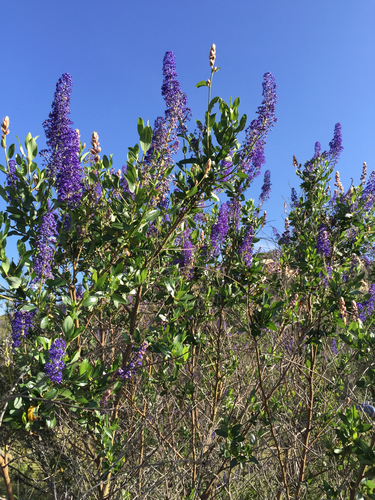
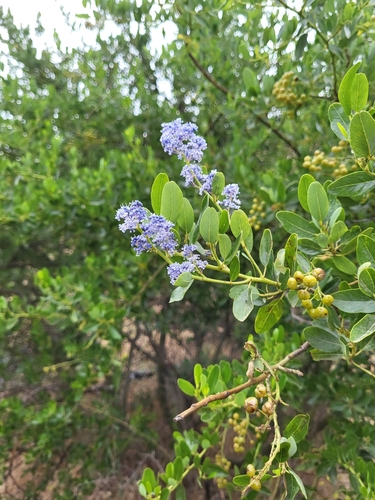
How to identify Ceanothus cyaneus Eastw.

Ceanothus cyaneus Eastw.

Ceanothus cyaneus Eastw.

Ceanothus cyaneus Eastw. is a distinct brilliant blue-flowered evergreen shrub n…

How to identify Paliurus spina-christi Mill.

Paliurus spina-christi Mill.

Paliurus spina-christi Mill.

Paliurus spina-christi is a deciduous shrub or small tree grown ornamentally for…

How to identify Rhamnus glandulosa Aiton

Rhamnus glandulosa Aiton

Rhamnus glandulosa Aiton

Rhamnus glandulosa is a small evergreen laurel forest tree endemic to Madeira an…

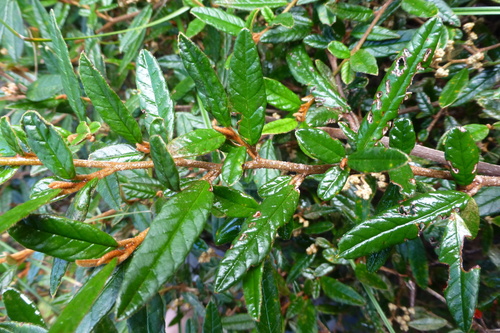
How to identify Ceanothus spinosus Nutt.

Ceanothus spinosus Nutt.

Ceanothus spinosus Nutt.

Ceanothus spinosus, greenbark/redheart, is a Ceanothus species native to scrub a…

How to identify Pomaderris paniculosa F.Muell. & Reissek

Pomaderris paniculosa F.Muell. & Reissek

Pomaderris paniculosa F.Muell. & Reissek

Pomaderris paniculosa is a flowering shrub found across southeastern Australia, …

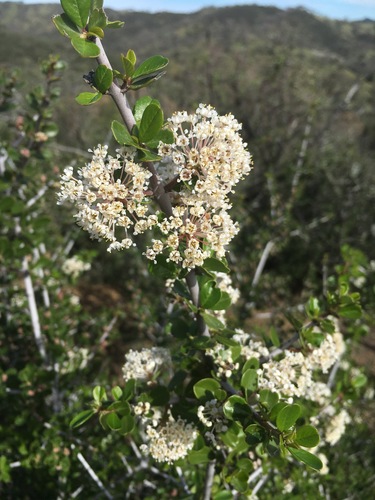
How to identify Ceanothus cuneatus (Hook.) Nutt.

Ceanothus cuneatus (Hook.) Nutt.

Ceanothus cuneatus (Hook.) Nutt.

Ceanothus cuneatus is a widespread evergreen chaparral bush native to western No…

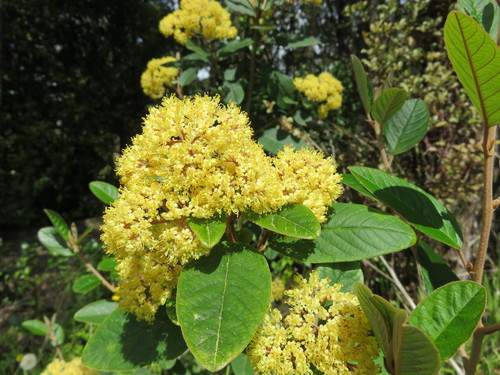
How to identify Pomaderris kumeraho A.Cunn. ex Fenzl

Pomaderris kumeraho A.Cunn. ex Fenzl

Pomaderris kumeraho A.Cunn. ex Fenzl

Kūmarahou (Pomaderris kumeraho) is a flowering shrub endemic to northern New Zea…

How to identify Ceanothus sanguineus Pursh

Ceanothus sanguineus Pursh

Ceanothus sanguineus Pursh

Ceanothus sanguineus, or redstem ceanothus, is a North American deciduous nitrog…

How to identify Rhamnus oleoides L.

Rhamnus oleoides L.

Rhamnus oleoides L.

Rhamnus oleoides (olive buckthorn) is a Rhamnaceae flowering plant native from t…

Browse all 192 Rhamnaceae species →

Frequently Asked Questions

How do you identify Rhamnaceae?

Rhamnaceae plants belong to the Rosales order in the Plantae kingdom. It typically has a hemispheric overall shape, with branches that grow anywhere from ascending to spreading. For instant identification, use the iNature app — AI-powered and works offline.

What are the key characteristics of Rhamnaceae?

Rhamnaceae is classified in the order Rosales, class Magnoliopsida, phylum Tracheophyta. This species is similar to Ceanothus integerrimus, but can be distinguished by its dwarf, spreading, often flat-topped growth habit, blue flowers (as opposed to white flowers of C.

⚠️ Are any Rhamnaceae species poisonous?

Yes, some Rhamnaceae species are toxic or poisonous. Always exercise caution with unknown specimens. View poisonous Rhamnaceae species or browse the full poisonous species guide.

Sources: GBIF, iNaturalist, Wikipedia · Disclaimer

Start Exploring Nature Today

Download iNature for free. 10 identifications on us. No account needed. No credit card required.

Download Free on App Store