Key Identification Features
- Each flower usually has six tepals.
For instant identification in the field, use the iNature app — AI-powered, works offline.
Polygonaceae is a plant family in the Plantae kingdom, order Caryophyllales, class Magnoliopsida. The family contains 349 accepted species worldwide. Some species in this family are toxic — exercise caution when handling unknown specimens.
For instant identification in the field, use the iNature app — AI-powered, works offline.
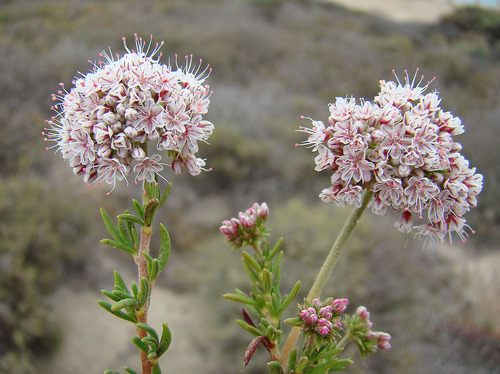
Eriogonum fasciculatum Benth.
Eriogonum fasciculatum Benth. is a variable native North American shrub widely c…
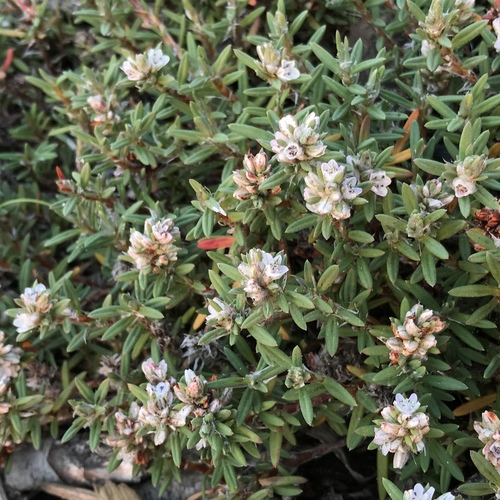
Polygonum paronychia Cham. & Schltdl.
Polygonum paronychia Cham. & Schltdl. is a small shrub, and its poultice treats …
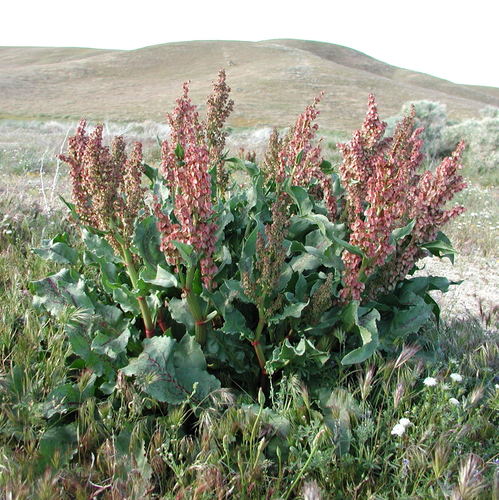
Rumex hymenosepalus Torr.
Rumex hymenosepalus is a tannin-producing perennial desert flowering plant nativ…
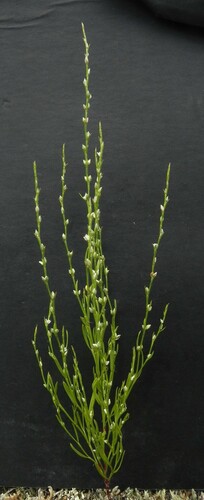
Polygonum tenue Michx.
Polygonum tenue Michx. is a North American herbaceous buckwheat species native t…
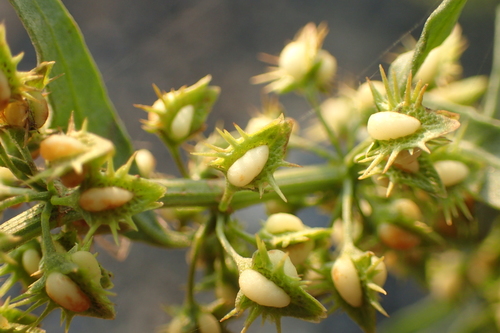
Rumex dentatus L.
Rumex dentatus is a flowering knotweed plant with allelopathic activity, native …
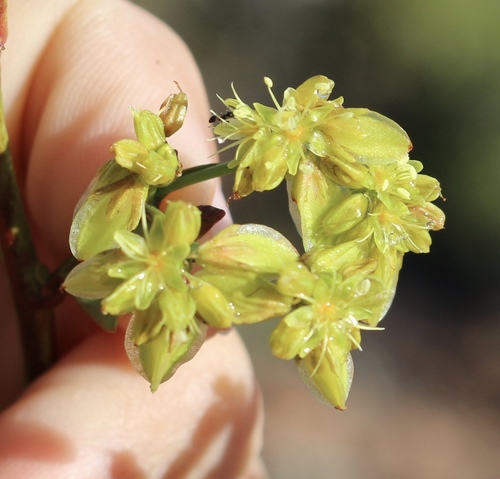
Eriogonum alatum Torr.
Eriogonum alatum Torr., or winged buckwheat, is a buckwheat species native to pa…
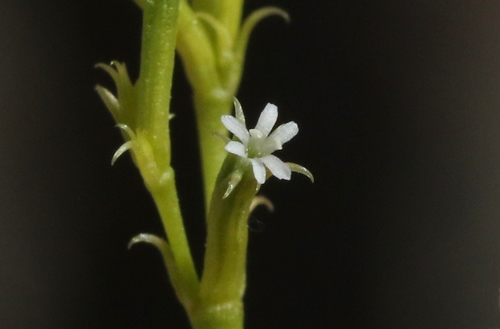
Chorizanthe brevicornu Torr.
Chorizanthe brevicornu, brittle spineflower, is an annual buckwheat native to th…
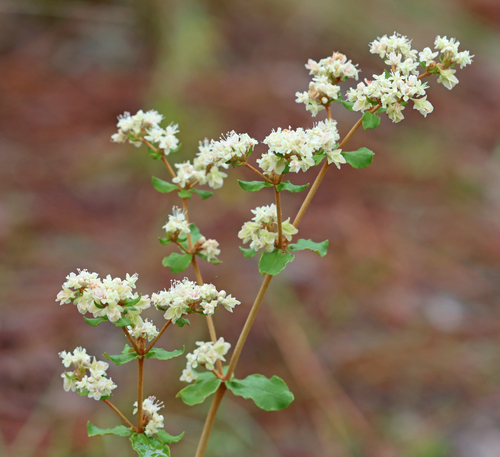
Eriogonum tomentosum Michx.
Eriogonum tomentosum is a Polygonaceae family species native to several southeas…
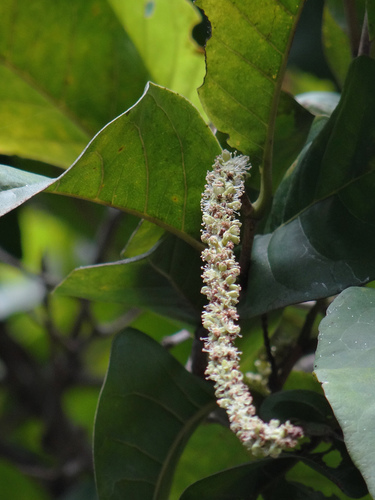
Coccoloba diversifolia Jacq.
Pigeonplum (Coccoloba diversifolia Jacq.) is a small to medium salt- and drought…
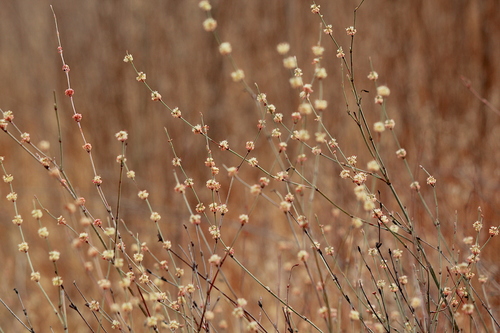
Eriogonum elongatum Benth.
Eriogonum elongatum is a pH-tolerant perennial herb native to California that su…
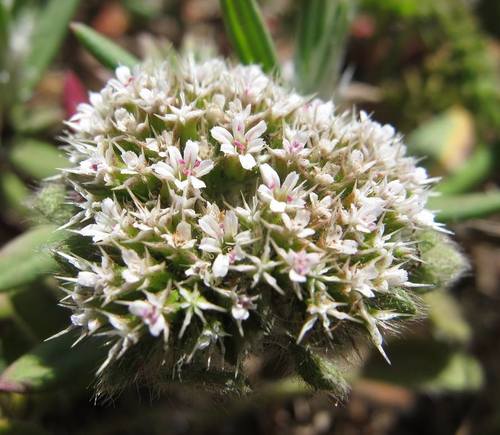
Chorizanthe howellii Goodman
Chorizanthe howellii, the Mendocino or Howell's spineflower, is an endangered en…
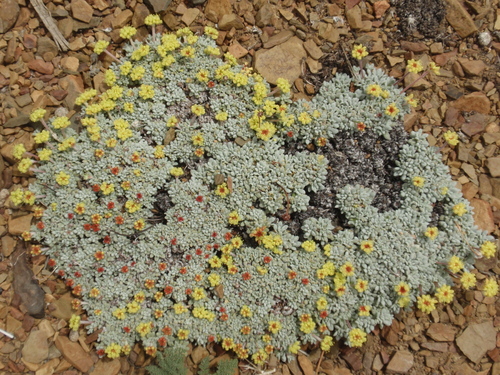
Eriogonum caespitosum Nutt.
Eriogonum caespitosum Nutt. is a tough dioecious mat-forming perennial native to…
Polygonaceae plants belong to the Caryophyllales order in the Plantae kingdom. Each flower usually has six tepals. For instant identification, use the iNature app — AI-powered and works offline.
Polygonaceae is classified in the order Caryophyllales, class Magnoliopsida, phylum Tracheophyta. The family contains 349 accepted species worldwide.
Yes, some Polygonaceae species are toxic or poisonous. Always exercise caution with unknown specimens. View poisonous Polygonaceae species or browse the full poisonous species guide.
Sources: GBIF, iNaturalist, Wikipedia · Disclaimer
Download iNature for free. 10 identifications on us. No account needed. No credit card required.
Download Free on App Store
