Key Identification Features
- The sepals are distinct; the outer three sepals are broadly oval-shaped, about 2 mm (0.
For instant identification in the field, use the iNature app — AI-powered, works offline.
Polygalaceae is a plant family in the Plantae kingdom, order Fabales, class Magnoliopsida. The family contains 95 accepted species worldwide. Some species in this family are toxic — exercise caution when handling unknown specimens.
For instant identification in the field, use the iNature app — AI-powered, works offline.
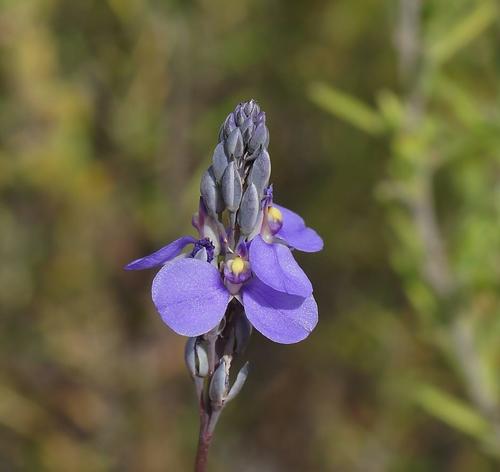
Comesperma calymega Labill.
Comesperma calymega (blue-spike milkwort) is a perennial polygalaceous herb nati…
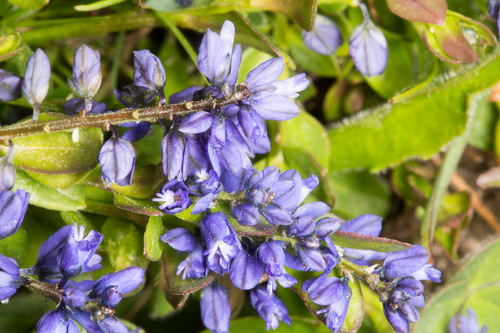
Polygala alpestris Rchb.
Polygala alpestris Rchb. is a flowering milkwort plant species described in 1823…
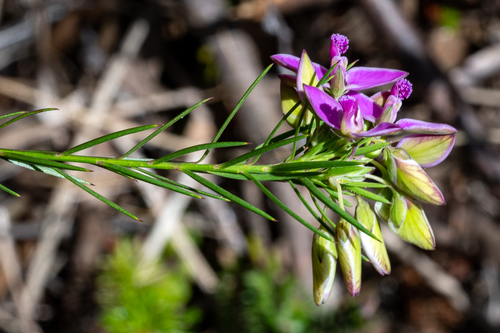
Polygala umbellata L.
Polygala umbellata is a flowering plant in the milkwort family, endemic to South…

Rhinotropis californica (Nutt.) J.R.Abbott
Rhinotropis californica, or California milkwort, is a milkwort family flowering …
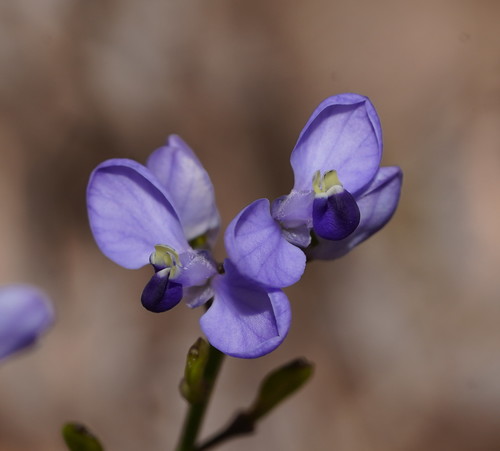
Comesperma volubile Labill.
Comesperma volubile (love creeper) is a mostly twining Australian creeper that f…
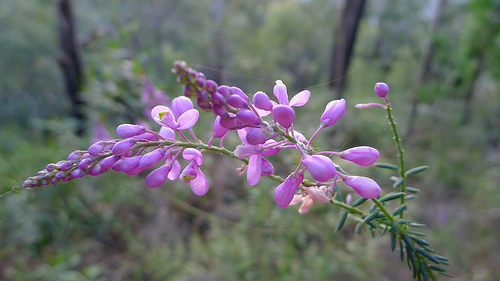
Comesperma ericinum DC.
Comesperma ericinum is a slender Polygalaceae shrub native to multiple Australia…
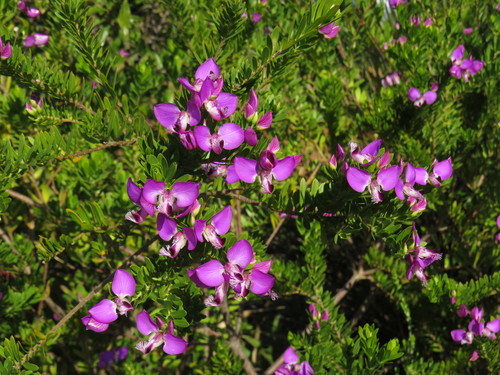
Polygala myrtifolia L.
Polygala myrtifolia is an evergreen South African shrub often cultivated for its…
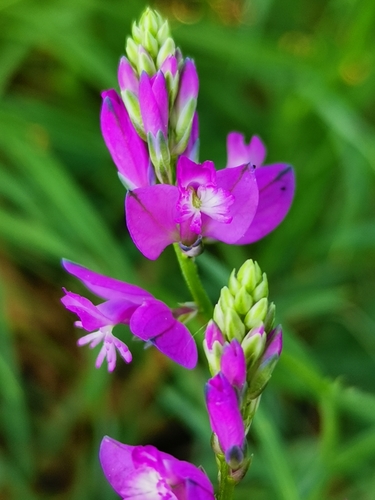
Polygala nicaeensis Risso ex W.D.J.Koch
Polygala nicaeensis is a perennial flowering plant in the milkwort family native…
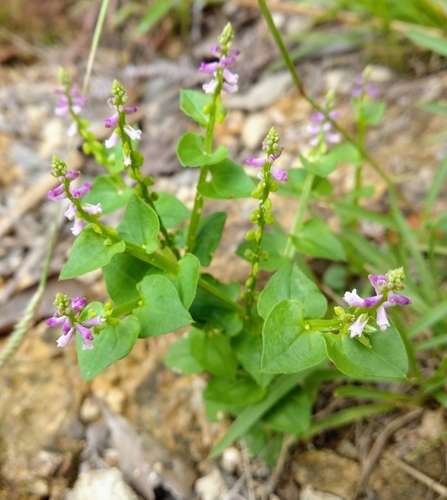
Salomonia cantoniensis Lour.
Salomonia cantoniensis is an annual erect flowering herb in the Polygalaceae fam…
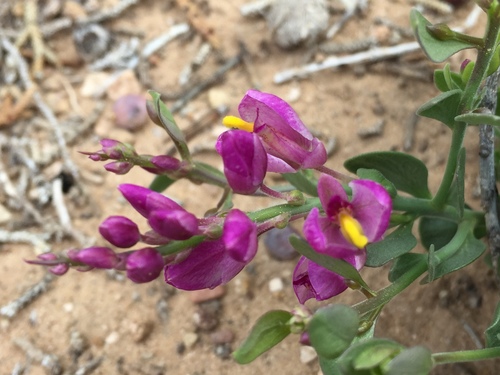
Rhinotropis subspinosa (S.Watson) J.R.Abbott
Spiny milkwort, or Rhinotropis subspinosa, is a flowering milkwort plant native …
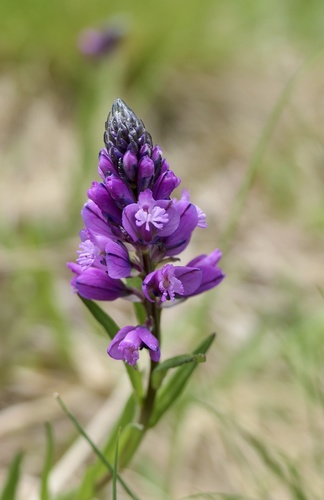
Polygala comosa subsp. comosa
Polygala comosa is a flowering plant in Polygalaceae, native to a wide range of …
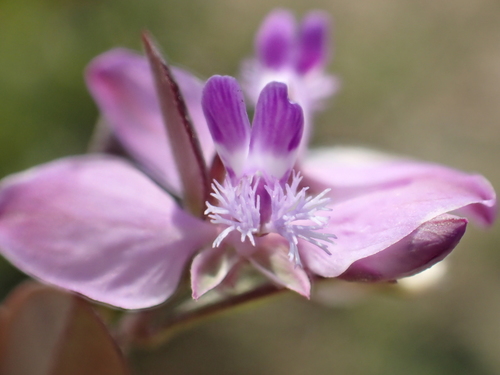
Polygala japonica Houtt.
Polygala japonica is a dwarf flowering shrub in the milkwort family, native to p…
Polygalaceae plants belong to the Fabales order in the Plantae kingdom. The sepals are distinct; the outer three sepals are broadly oval-shaped, about 2 mm (0. For instant identification, use the iNature app — AI-powered and works offline.
Polygalaceae is classified in the order Fabales, class Magnoliopsida, phylum Tracheophyta. The family contains 95 accepted species worldwide.
Yes, some Polygalaceae species are toxic or poisonous. Always exercise caution with unknown specimens. View poisonous Polygalaceae species or browse the full poisonous species guide.
Sources: GBIF, iNaturalist, Wikipedia · Disclaimer
Download iNature for free. 10 identifications on us. No account needed. No credit card required.
Download Free on App Store
