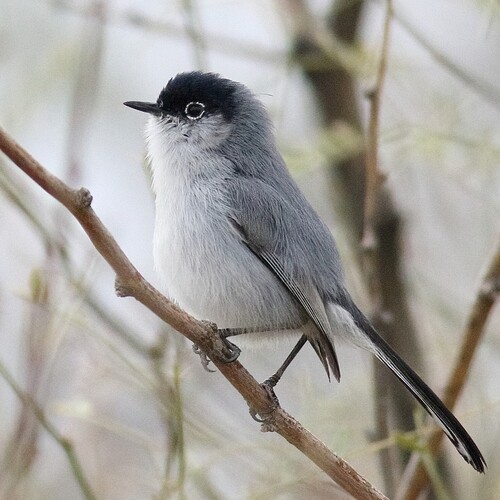
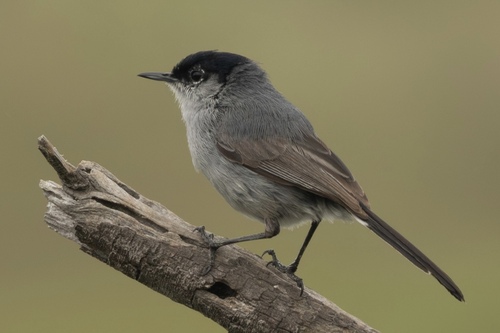
Key Identification Features
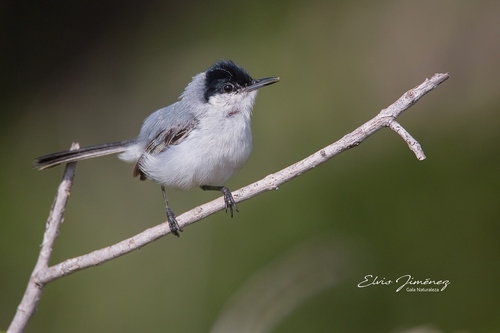
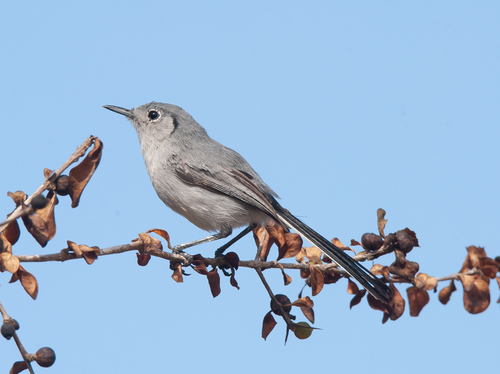
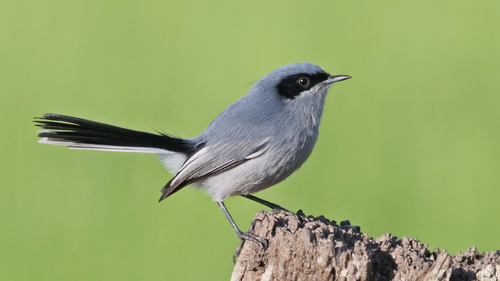
- A distinguishing feature is a unique black crescent marking behind the eye and across the ear coverts.
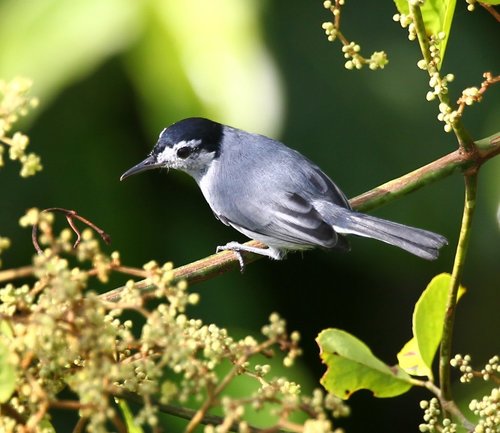
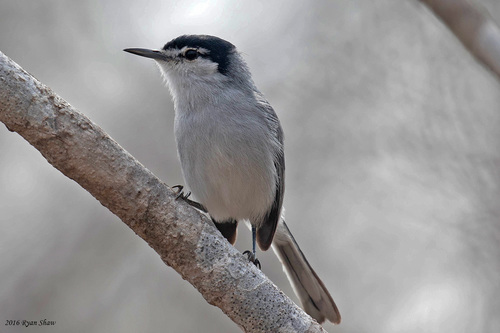
- Because the white marking extends above the eye in both sexes of the bilineata group, they appear distinctly white-browed, unlike the nominate group.
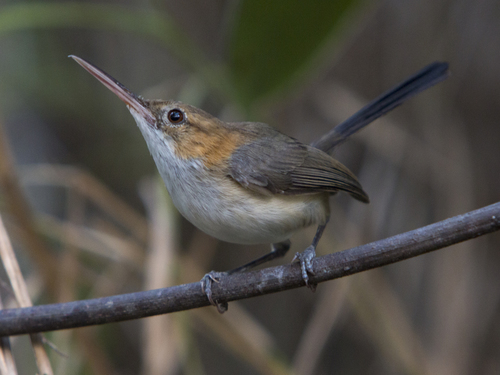
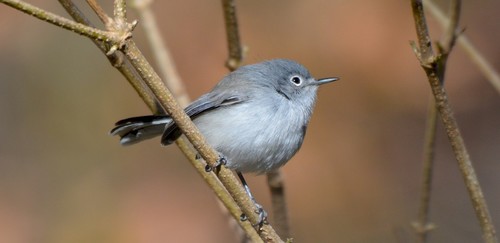
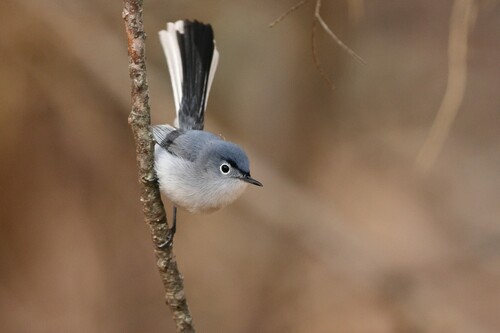
- The California gnatcatcher, scientific name Polioptila californica Brewster, 1881, has distinct plumage differences between adult males, breeding males, non-breeding males, and females.
- It is most often seen flitting quickly into undergrowth, or detected by its distinctive call, which sounds like a kitten's meow: a rising and falling zeeeeer, zeeeeer.
For instant identification in the field, use the iNature app — AI-powered, works offline.